Politics
Warren, Kelly question Trump tariffs as manufacturing boom fails to materialize
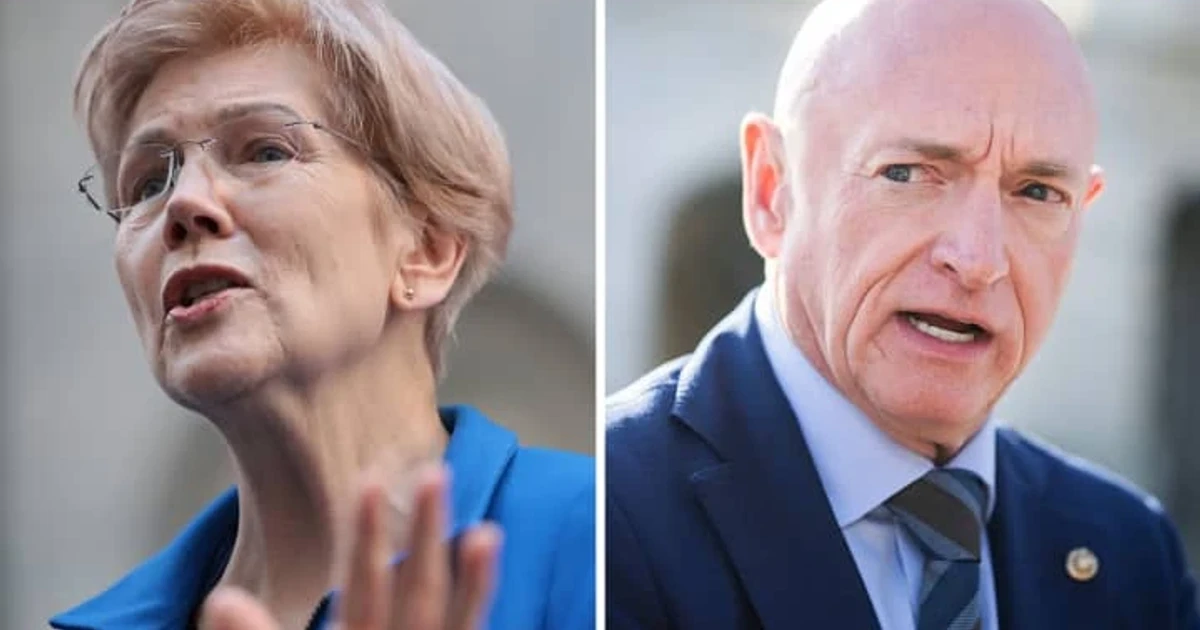
Elizabeth Warren and Mark Kelly pressed the Trump administration to justify whether its tariff strategy is rebuilding U.S. manufacturing or driving up costs while jobs disappear. In a June 22 letter to Commerce Secretary Howard Lutnick, Treasury Secretary Scott Bessent and U.S. Trade Representative Jamieson Greer, the two Democrats said President Donald Trump promised a “manufacturing boom” that would create “millions and millions of jobs,” but that no boom has materialized.
The senators wrote that the “blue-collar jobs boom” has instead been a “blue-collar bust,” and said blue-collar jobs are disappearing as economists blame at least part of the decline on Trump’s “historic and volatile tariff policy.” They also accused the administration of favoring wealthy corporations and Trump allies over workers, and asked officials to explain how the tariff program is being carried out and what effect it is having on the economy, especially the trade deficit in manufactured goods.
The Bureau of Economic Analysis said the overall U.S. goods and services deficit was $55.9 billion in April 2026, down from $56.6 billion in March. The Bureau of Labor Statistics said manufacturing employment was little changed in May. White House materials said the goods trade deficit fell from a monthly average of $101 billion in 2024 to $87 billion in November 2025.
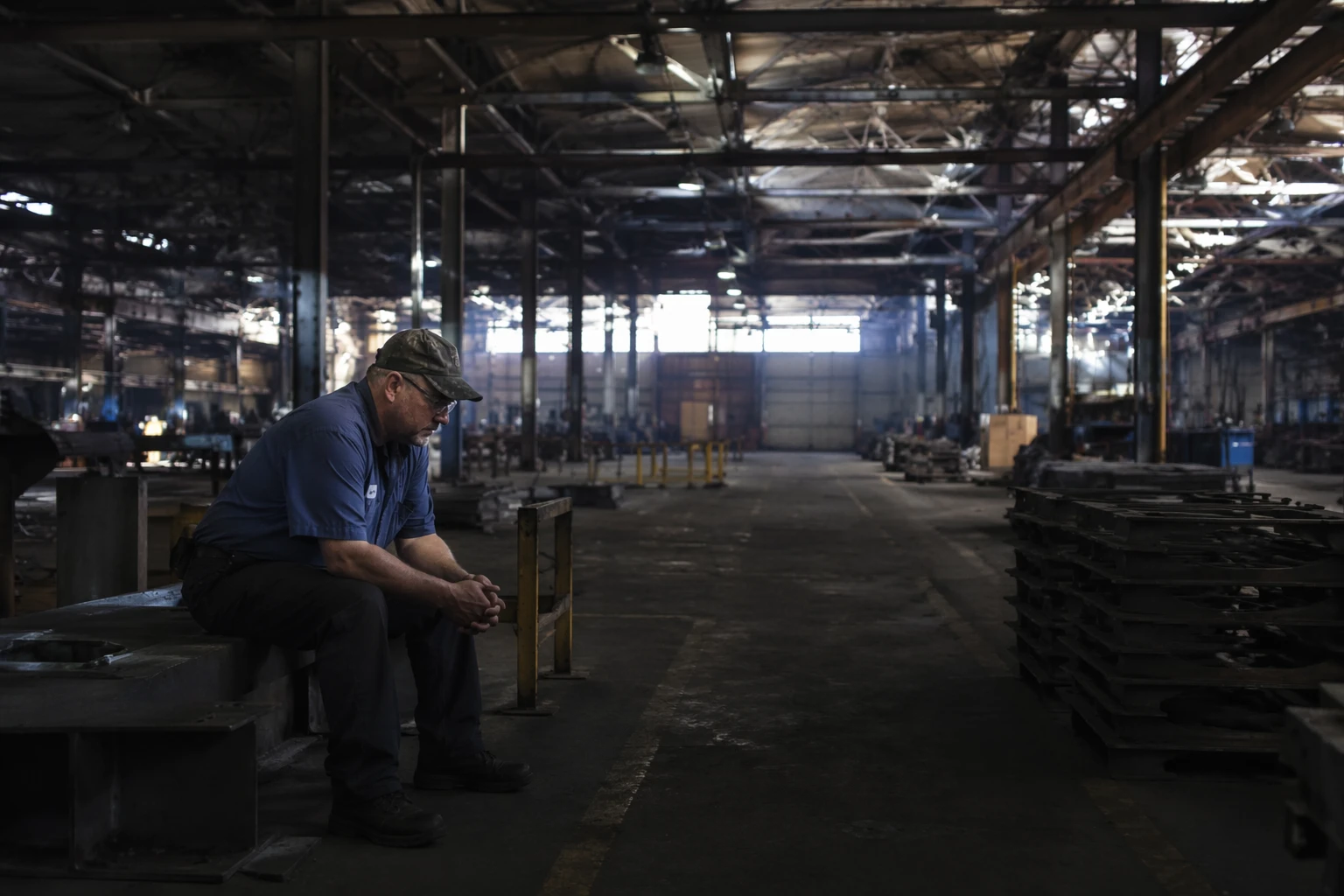
A February 11 analysis by Democrats on the U.S. Congress Joint Economic Committee found manufacturing lost 108,000 jobs in the first year of Trump’s second term. A later Joint Economic Committee Minority report found Trump’s policies led to the loss of more than 100,000 manufacturing jobs and that factory construction declined after the April 2025 tariff announcements.
A June 1 fact sheet said tariff changes on steel, aluminum and copper are temporary and will last until December 31, 2027, with the goal of spurring near-term investment and rebuilding the industrial base. In June, the administration said it was adjusting tariff regimes for those metals.
Sources
- [1]cnbc.com
- [2]warren.senate.gov
- [3]jec.senate.gov
- [4]whitehouse.gov
- [5]bea.gov
- [6]bls.gov