Politics
Warren, Scanlon seek ban on selling Americans' health and location data

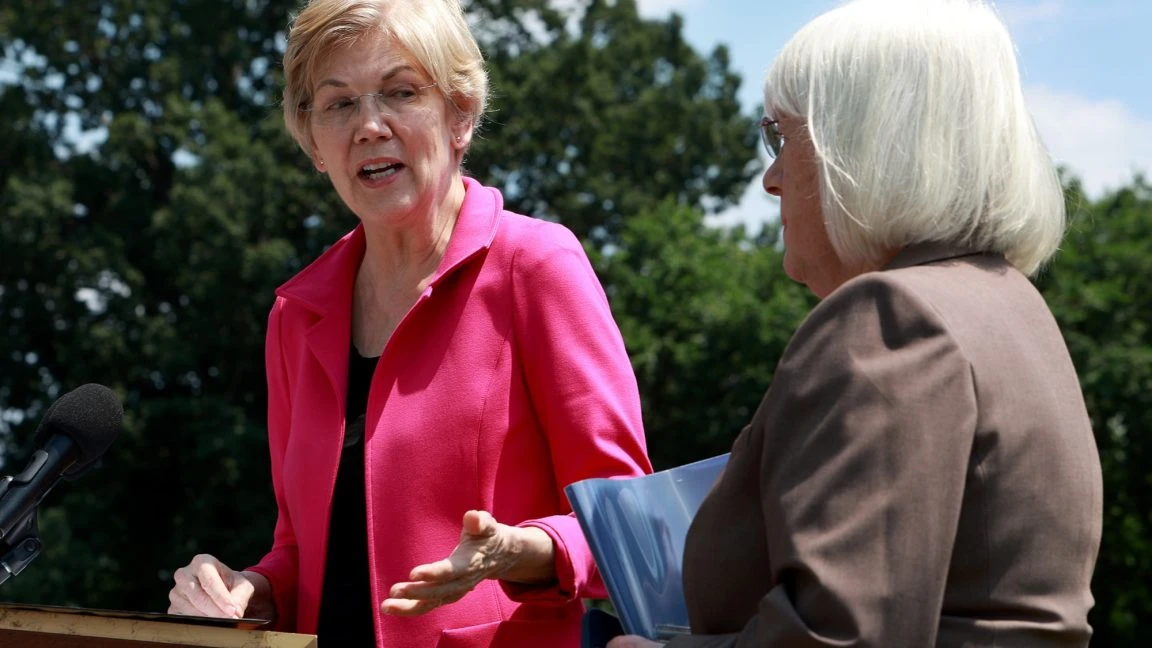
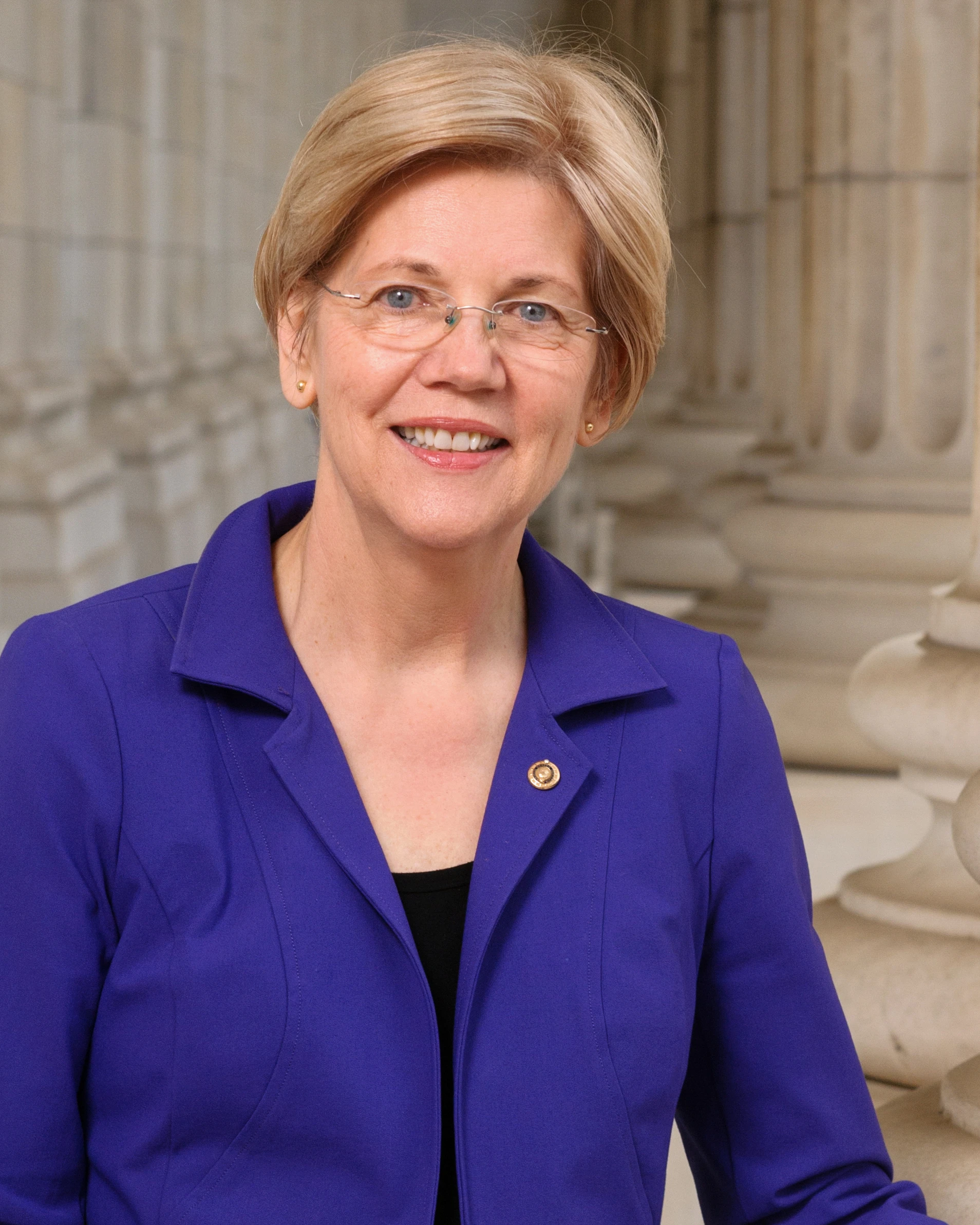
Sen. Elizabeth Warren and Rep. Mary Gay Scanlon are preparing a fresh push to block data brokers from selling Americans’ health and location information, including details people reveal to AI chatbots such as ChatGPT or Claude. The revived Health and Location Data Protection Act would make it unlawful for brokers to sell, resell, license, trade, transfer, share or otherwise provide that data.
The bill targets health and location data whether it is declared by a user or inferred from behavior, and would direct the Federal Trade Commission to write implementing rules within 180 days. It also carves out exceptions for HIPAA-compliant activities, protected First Amendment speech and validly authorized disclosures. In practice, that means the proposal is aimed at the broker market, not at every company that touches personal data, and it would not by itself erase the privacy settings or training policies built into chatbot products.

Warren and Scanlon first introduced the measure in June 2022, and Warren brought it back in December 2024 in the 118th Congress. Earlier Warren messaging put the data broker industry at roughly $200 billion a year, underscoring the scale of a market built on collecting, packaging and reselling personal information. Supporters of the bill argue that the gap in federal privacy law has let sensitive data move through brokers with little consumer visibility, especially data that can expose reproductive health care, LGBTQ+ identity or patterns of movement tied to stalking and harassment.
Federal enforcement actions in 2024 showed how location data can become intimate surveillance. In January, the FTC barred X-Mode Social and its successor Outlogic from sharing or selling sensitive location data after alleging the companies had handled precise location information that could reveal visits to medical and reproductive health clinics, places of worship and domestic abuse shelters. In December, the agency announced proposed settlements with Mobilewalla and Gravy Analytics over the unlawful sale of sensitive location data, including information tied to healthcare facilities and, in Mobilewalla’s case, data that could reveal a private home.
The AI piece has made the proposal harder to ignore. OpenAI says ChatGPT users can use temporary chats and other controls to reduce how their content is used for training. Anthropic says it may use user feedback and some user data to train its models, with the exact rules depending on account type and privacy settings. That leaves a new privacy gap: people may share diagnoses, medications, fertility concerns or mental health details in a chatbot conversation without realizing how far that information can travel if it is later stored, inferred or resold through the broader data economy.
Sources
- [1]theverge.com
- [2]warren.senate.gov
- [3]scanlon.house.gov
- [4]ftc.gov
- [5]openai.com
- [6]privacy.claude.com