Politics
Warsh Confirmed as Federal Reserve Chair Amid Rising Inflation
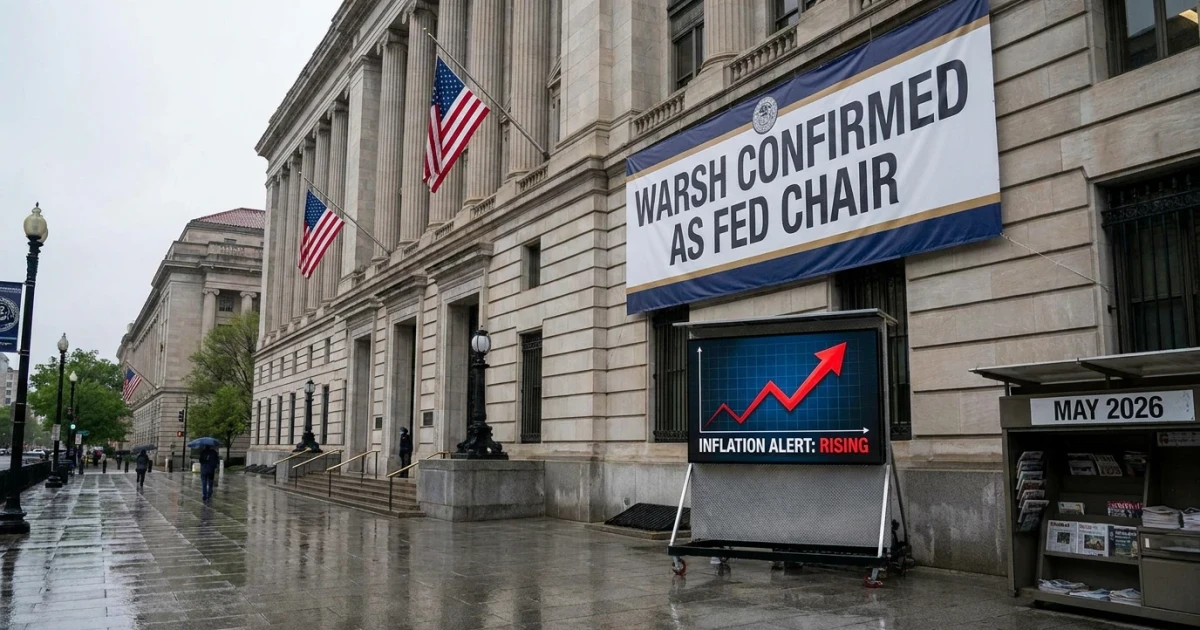
Kevin Warsh has secured Senate confirmation to become the next Chair of the Federal Reserve, stepping into the role at a time when the United States is confronting stubbornly high inflation and ongoing economic uncertainty. The Senate vote, reported by Reuters, marks a pivotal leadership transition as policymakers grapple with complex challenges from global and domestic forces driving up prices.
Senate Approval Signals Transition at the Fed
Warsh’s confirmation as Federal Reserve Chair follows a period of intense scrutiny over the central bank’s response to inflation pressures. According to the official Congress.gov nomination record, the Senate’s approval formalizes Warsh’s leadership at the nation’s most influential economic institution.
- The vote comes as U.S. inflation rates remain elevated compared to pre-pandemic averages, putting pressure on the Fed to balance growth and price stability.
- Warsh brings prior experience as a Federal Reserve governor and a reputation for policy caution, as outlined in his official biography.
Inflation Remains a Central Challenge
The timing of Warsh’s confirmation is significant, as the latest Consumer Price Index data from the Bureau of Labor Statistics shows year-over-year inflation continuing to outpace the Federal Reserve’s long-term target. This has direct implications for monetary policy decisions and the economic outlook.
- Persistent inflation has strained household budgets and raised borrowing costs across the economy.
- The latest FOMC statement underscores the Fed’s ongoing efforts to bring inflation back toward its 2% goal while supporting employment.
What Warsh’s Appointment Means for Monetary Policy
Warsh’s approach to monetary policy is expected to emphasize vigilance on inflation, with analysts noting his cautious stance during previous economic cycles. The Federal Reserve’s monetary policy toolkit includes managing interest rates, open market operations, and regulatory oversight—all of which will be critical levers under Warsh’s leadership.
According to a recent Congressional Budget Office analysis, inflationary pressures have been driven by a mix of supply chain disruptions, strong consumer demand, and global events impacting energy and commodity prices. Warsh will need to weigh these factors as he guides the central bank’s next steps.
Looking Ahead: Economic Outlook and Policy Decisions
With Warsh at the helm, the Federal Reserve faces immediate decisions on interest rates, asset purchases, and communication strategies to restore price stability without stifling economic growth. Financial markets, businesses, and consumers will be closely watching for signals on how aggressively the Fed may act in the coming months.
As Warsh assumes the chairmanship, his leadership will be tested by the delicate balance of curbing inflation while sustaining the economic recovery. The central bank’s policy path will have far-reaching effects for the U.S. and global economies, making Warsh’s tenure one of the most closely watched in recent memory.