Business
Warsh drops Fed forward guidance, markets price higher rates
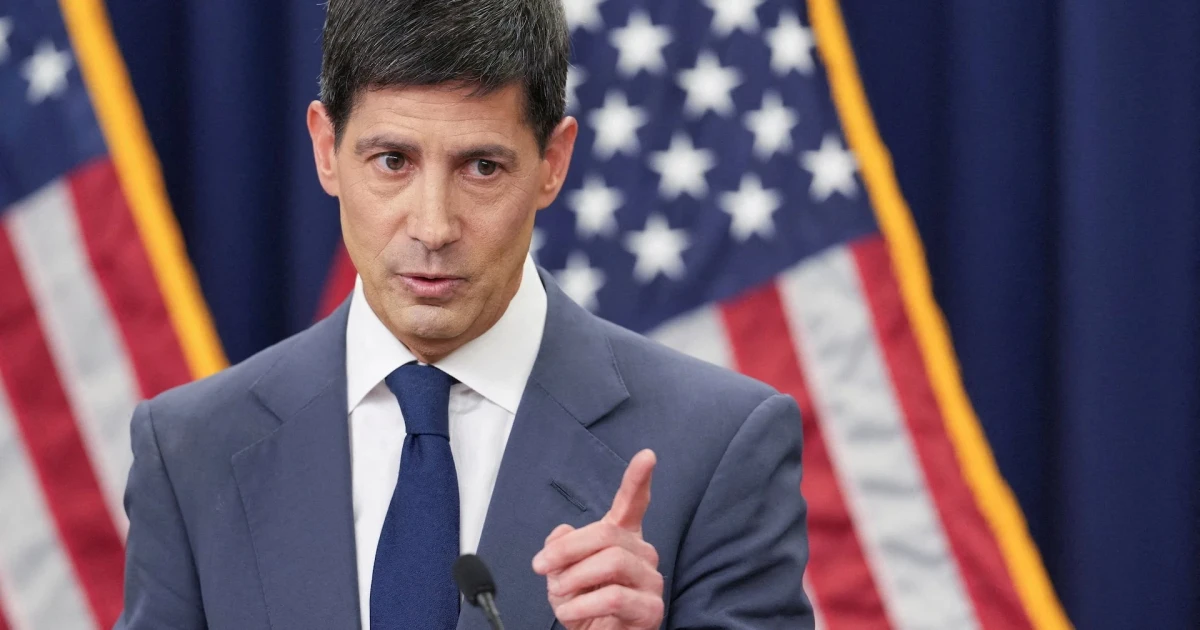
Investors quickly read Kevin Warsh’s first Federal Reserve meeting as a warning that borrowing costs could stay higher for longer. At the June 16-17 Federal Open Market Committee meeting, the Fed held the federal funds target range at 3.5% to 3.75% in a unanimous 12-0 vote, but the statement was shorter than usual and dropped the forward guidance language that had pointed to a possible easing bias earlier in the year.
The shift mattered because the June projections moved decisively hawkish. The median year-end 2026 policy rate rose to 3.8% from 3.4% in March, a change that signaled no cuts in 2026 and left open the possibility that some officials could support a hike later this year. The Fed’s statement said inflation remained elevated relative to the committee’s 2% goal, reinforcing the message that policymakers were not ready to ease.
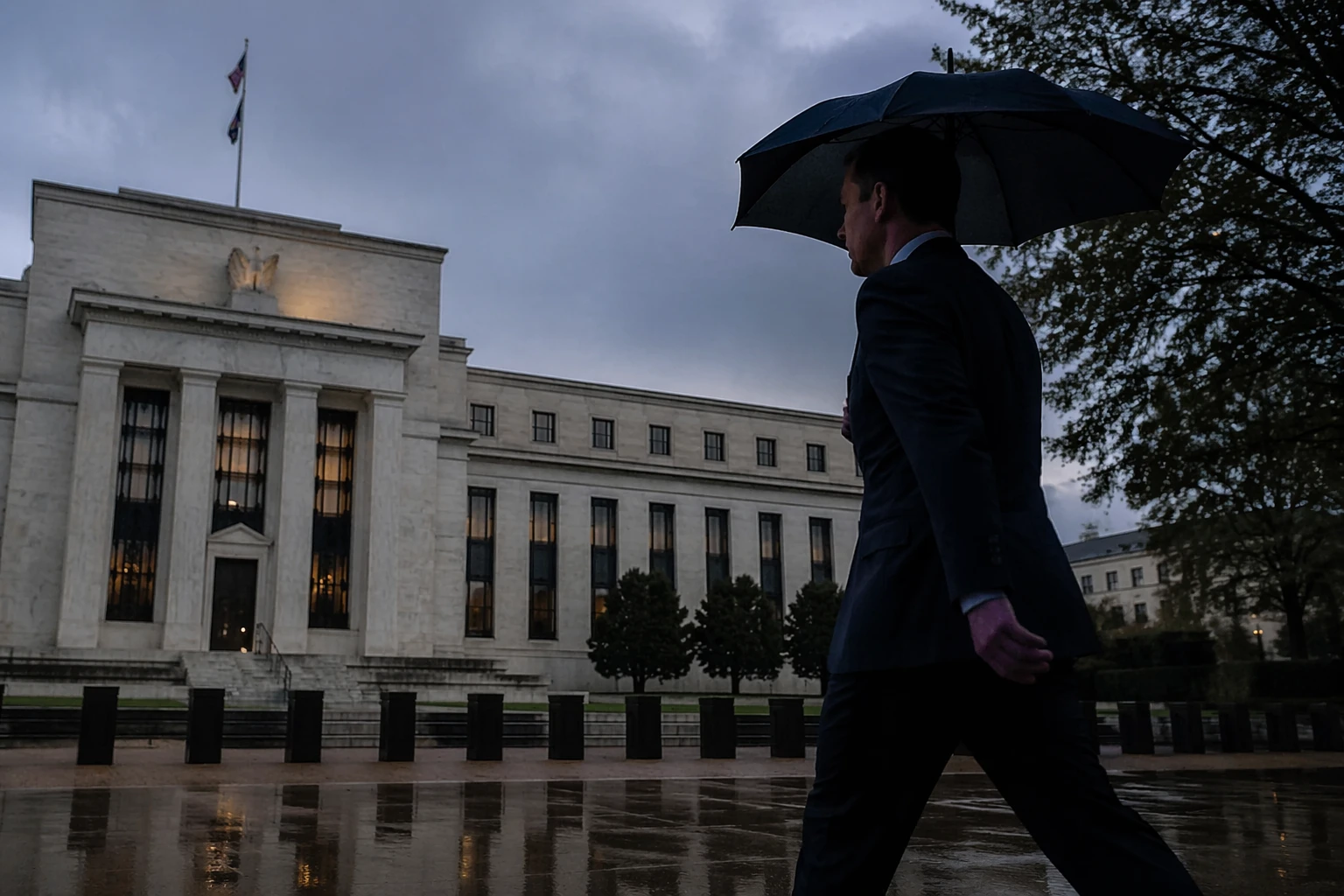
Warsh had set the stage for that turn during his April 21 confirmation hearing before the Senate Banking Committee in Washington, D.C. He said he wanted to reduce the Fed’s reliance on forward guidance and described his agenda as “regime change,” signaling a break from the recent habit of telling markets too much, too early, about the likely path of policy. He did not submit his own forecast in the June projections, according to market reporting, and he later confirmed at a news conference that he had declined to share one.
The move sharpened the central debate inside modern central banking: transparency versus volatility. Less guidance gives the Fed more flexibility to respond to incoming inflation and growth data, but it also leaves businesses, borrowers and traders with fewer clues about what comes next. That can make every jobs report, inflation release or growth revision carry more market risk, especially when officials are already split on whether rates need to stay restrictive or rise again.
The June forecast shift also marked a sharp contrast with March, when the median year-end 2026 projection was 3.4% and implied at least one cut. Nearly half of policymakers now saw room for a rate hike later in 2026, according to market coverage, underscoring how fast the center of gravity had moved. The change has intensified scrutiny of Fed independence at a moment when Donald Trump has been pushing for lower rates even as inflation remains stubbornly above target.
Sources
- [1]nytimes.com
- [2]federalreserve.gov
- [3]cfr.org
- [4]cnbc.com
- [5]apnews.com
- [6]reuters.com