Business
Warsh faces first Fed meeting amid rate pressures and Trump demands
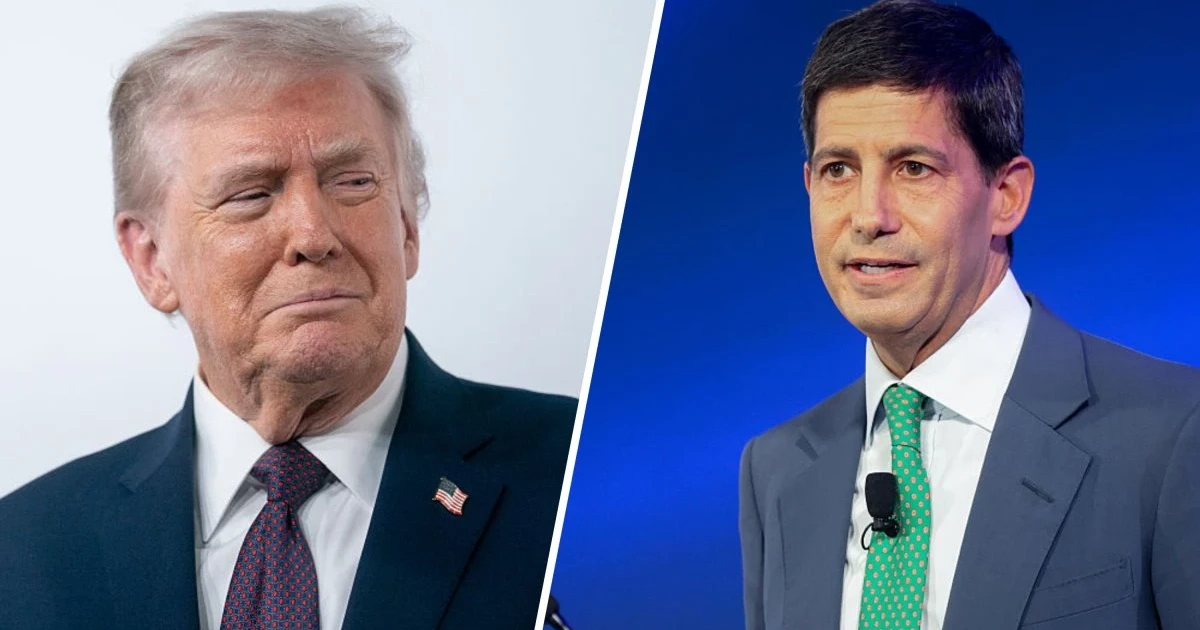
Kevin Warsh entered his first Federal Reserve meeting with three pressures converging at once: inflation remained above target, markets expected rates to stay unchanged, and President Donald J. Trump kept pushing for easier money. The June 16-17 policy meeting was Warsh’s first as chair, and it came after the Board had left the interest rate paid on reserve balances at 3.65% in an April 29 implementation note.
Warsh arrived at the Fed after a fast rise through Washington. Trump nominated him on March 4, the Senate confirmed him as a member of the Board on May 12 and as chair on May 13, and the Federal Open Market Committee unanimously selected him to lead. His chair term runs through May 21, 2030, while his Board term extends to January 31, 2040. With that mandate, Warsh took over the committee that sets U.S. monetary policy, putting him at the center of the next argument over how long borrowing costs should stay restrictive.
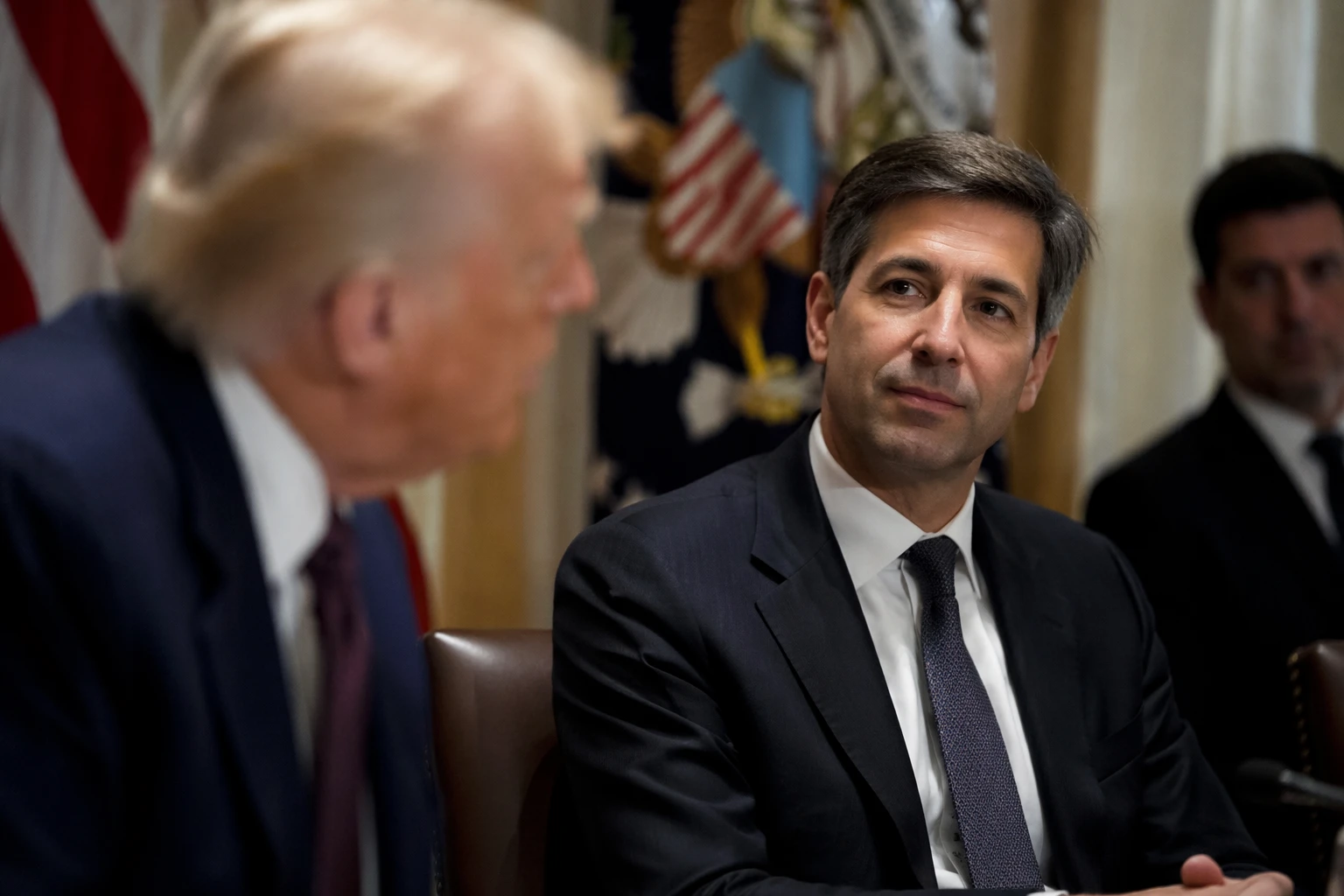
The economic backdrop made that argument hard to avoid. The Bureau of Economic Analysis said the PCE price index rose 3.8% in April from a year earlier, still well above the Fed’s 2% target. The Bureau of Labor Statistics reported that unemployment held at 4.3% in May and payrolls rose by 172,000, a combination that showed an economy still adding jobs even as price pressures persisted. In its April 28-29 minutes, the Fed said market participants expected little change in rates this year and that options prices implied about a 30% probability of a rate hike by the first quarter of 2027.
Warsh’s first test was therefore not just whether he could keep policy steady, but whether he could preserve the Fed’s credibility while facing political demands for lower rates. He has long argued for a smaller Fed balance sheet, less talk from the central bank about interest rates and a rethink of how inflation is measured, positions that align with Trump’s push for easier money but do not promise the immediate cut the president wants. The first press conference under his watch was poised to show whether he would lean toward tighter policy to curb inflation or toward the more accommodative path Trump has demanded.

Warsh’s background gave the moment added weight. Born in Albany, New York, in April 1970, he earned an AB from Stanford University in 1992 and a JD from Harvard Law School in 1995. He worked at Morgan Stanley from 1995 to 2002, served as special assistant to the president for economic policy and executive secretary of the National Economic Council from 2002 to 2006, then returned to the Fed Board from 2006 to 2011. After leaving the Board, he worked at Stanford’s Hoover Institution and Duquesne Family Office. The opening decisions of his tenure were set to be judged less by style than by whether rates, messaging and independence held under pressure.
Sources
- [1]nytimes.com
- [2]federalreserve.gov
- [3]bea.gov
- [4]bls.gov
- [5]cnbc.com