Business
Warsh faces inflation, rates and Fed independence test at meeting
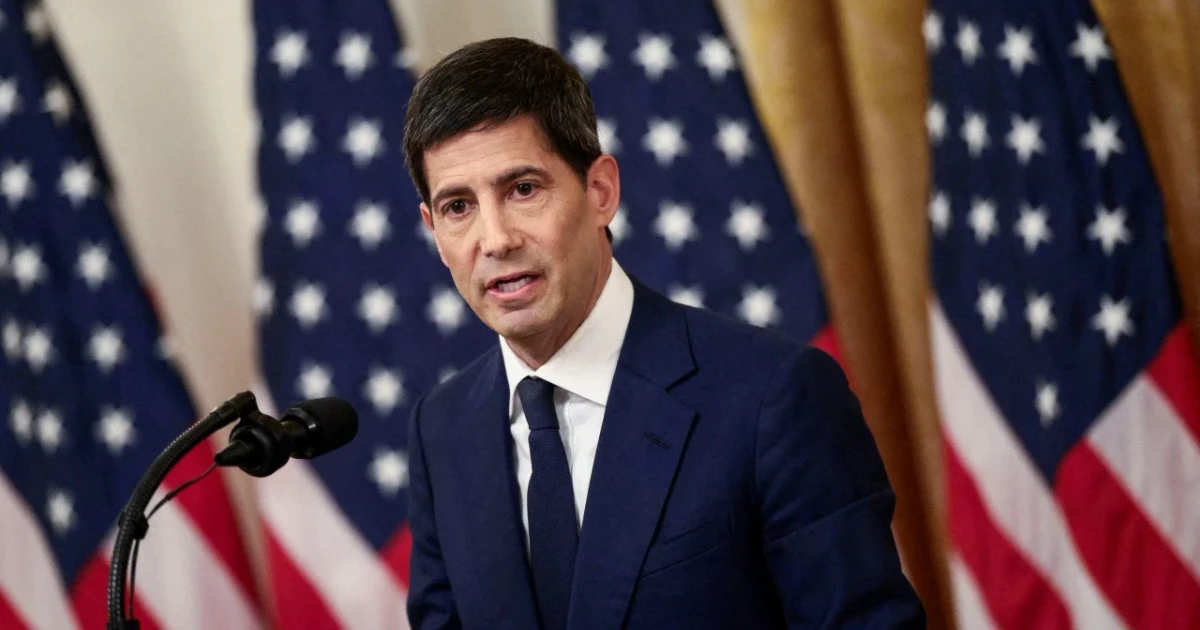
Kevin Warsh stepped into the Federal Reserve chair with inflation still above target, the labor market still resilient and political pressure hanging over every decision. The central bank’s June 16-17 policy meeting put those tensions on display as Warsh began a term that will run through May 21, 2030, with his Board term extending to January 31, 2040.
Warsh took office as chairman on May 22, 2026, after President Donald J. Trump nominated him on March 4, the Senate confirmed him as a member of the Board on May 12 and as chairman on May 13, and the Federal Open Market Committee unanimously selected him to lead. He had already served on the Federal Reserve Board from 2006 to 2011 and later worked at Stanford University’s Hoover Institution and Duquesne Family Office, giving him a long familiarity with the institution he now has to steer through one of its most sensitive stretches.
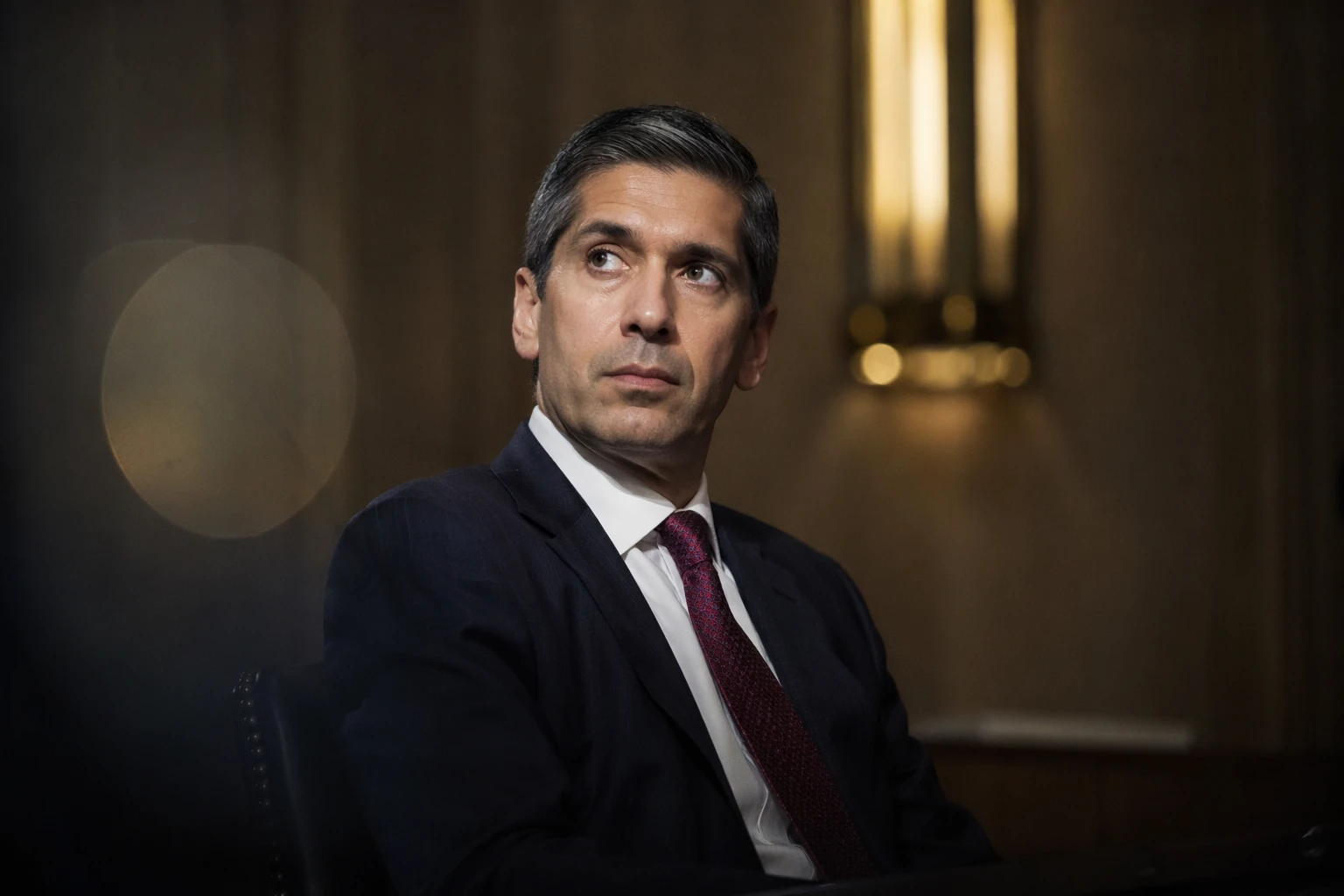
The first decisions of his tenure will be judged against the Fed’s own playbook. The central bank says monetary policy is meant to promote maximum employment, stable prices and moderate long-term interest rates, with 2% inflation over the longer run measured by the PCE price index. Yet April 2026 PCE inflation was 3.8%, and core PCE remains a key gauge for policymakers. At the same time, the labor market has not cracked: the unemployment rate was 4.3% in May 2026, and payrolls rose by 172,000, according to the Bureau of Labor Statistics.
That mix leaves the Fed weighing how long to hold rates steady and how much room it has to wait for inflation to cool. In its April 29 decision, the committee left the interest rate paid on reserve balances at 3.65%, signaling patience even as it said it would keep watching labor market conditions, inflation pressures, inflation expectations and financial and international developments. For mortgage borrowers, that cautious stance matters because any sustained pivot lower would likely take time to filter through to household borrowing costs.
Warsh’s other early test is institutional credibility. The Fed holds eight regularly scheduled FOMC meetings each year, and the calendar already points to its June 24 release of annual bank stress test results, a reminder that supervision and financial stability are part of the same policy backdrop. With rates, prices and political scrutiny converging, Warsh’s opening moves will shape not just the path of inflation, but also confidence that the Fed can still set policy without bending to Washington.
Sources
- [1]nytimes.com
- [2]federalreserve.gov
- [3]bls.gov
- [4]bea.gov