Business
Warsh launches broad Fed review, signals shift away from forward guidance

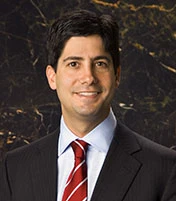
Kevin M. Warsh used his first full policy meeting as Federal Reserve chair to strip down the central bank’s statement, drop forward guidance and open a broad internal review of how the Fed talks, thinks about inflation and sizes up the economy. The shift matters well beyond Washington because it could change how quickly households, lenders and investors learn where borrowing costs are headed.
Warsh took office on May 22, 2026, after President Donald J. Trump nominated him on March 4 and the Senate confirmed him as a Board member on May 12 and as chair on May 13. His chairmanship runs through May 21, 2030, and his Board term through January 31, 2040. He now also leads the Federal Open Market Committee, the Fed’s main monetary policymaking body.
At the June 16-17 meeting, the committee left the federal funds target range unchanged at 3.5% to 3.75%, while the Board kept the interest rate paid on reserve balances at 3.65% effective June 18. Warsh said the Fed had returned to a shorter, simpler policy statement and dispensed with forward guidance because it was not well suited to the current policy conjuncture. The Fed’s June 17 statement said inflation remained elevated relative to its 2% goal, and Warsh made price stability the central theme of his remarks.
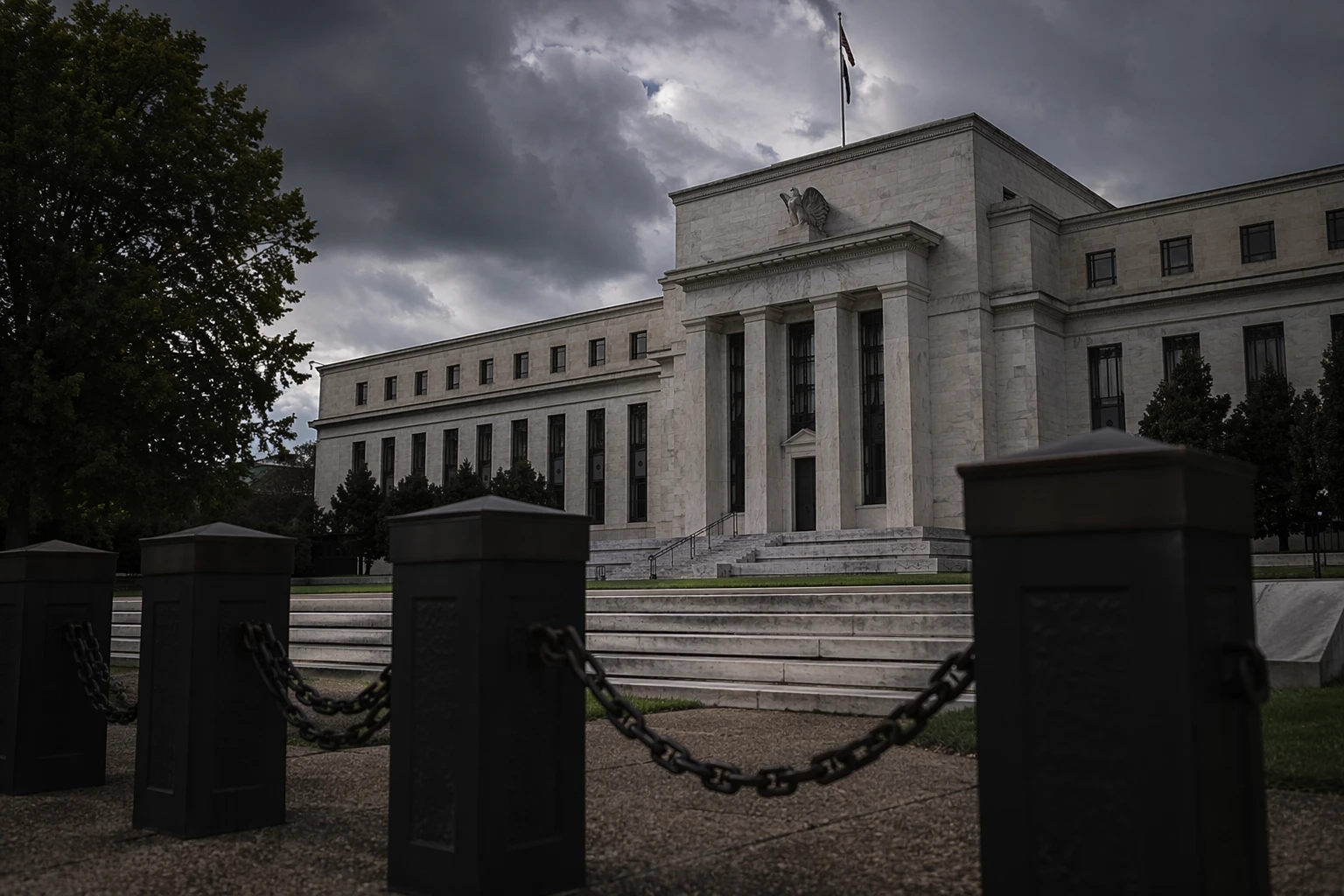
The more consequential step may be what comes next. Warsh announced five task forces to review Fed communications, balance sheet policy, data use and reliance, productivity and jobs, and inflation frameworks. That list points to a review wider than a routine rate decision and reaches into the machinery that has shaped how the central bank explains itself since years of greater disclosure.
For markets, the clearest near-term risk is less transparency. Without forward guidance or a dot-plot projection, investors may have to infer the path of rates from fewer signals, a change that could make policy moves less predictable and amplify day-to-day swings in Treasury yields, mortgage rates and corporate borrowing costs. Employers weighing financing plans and households facing auto, credit card or home-loan rates would feel that uncertainty first.
The move also lands against the Fed’s 2025 strategy review, which was already examining monetary policy strategy, tools and communications before Warsh arrived. His decision to widen the review while stressing price stability suggests a possible pivot from the Fed’s recent emphasis on openness toward a more restrained communication style, even as Trump continues to press for lower borrowing costs while saying Warsh should remain independent.
Sources
- [1]nytimes.com
- [2]federalreserve.gov
- [3]cnbc.com