Business
Warsh-led Fed expected to hold rates, signal neutral stance
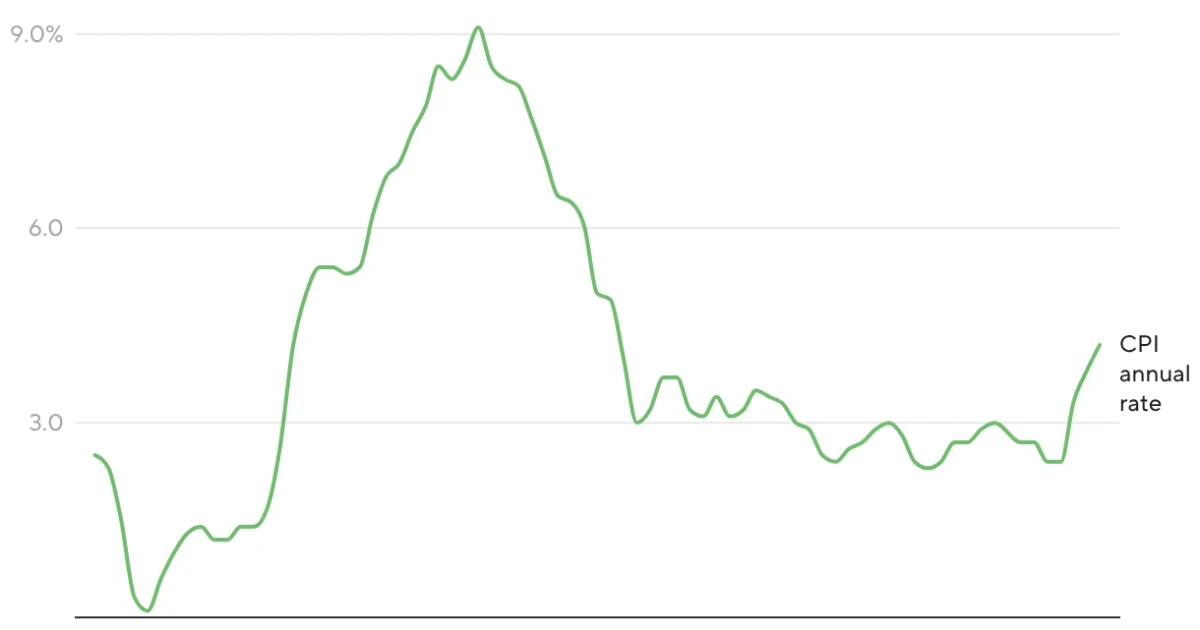
The Federal Reserve was expected to leave interest rates unchanged at the end of Kevin Warsh’s first meeting as chair, keeping the policy range at 3.5 percent to 3.75 percent. The bigger signal for markets was likely to come from the wording, the vote split and the updated projections, which could show how aggressively the new leadership intended to confront inflation.
The backdrop was uneasy but not recessionary. The U.S. economy added 172,000 jobs in May 2026, and the unemployment rate held at 4.3 percent, according to the Bureau of Labor Statistics. Inflation remained the central problem: the Consumer Price Index rose 0.5 percent in May and 4.2 percent over the prior 12 months, the fastest annual pace in three years. That left the central bank balancing a still-solid labor market against price gains that remained far above its 2 percent target.
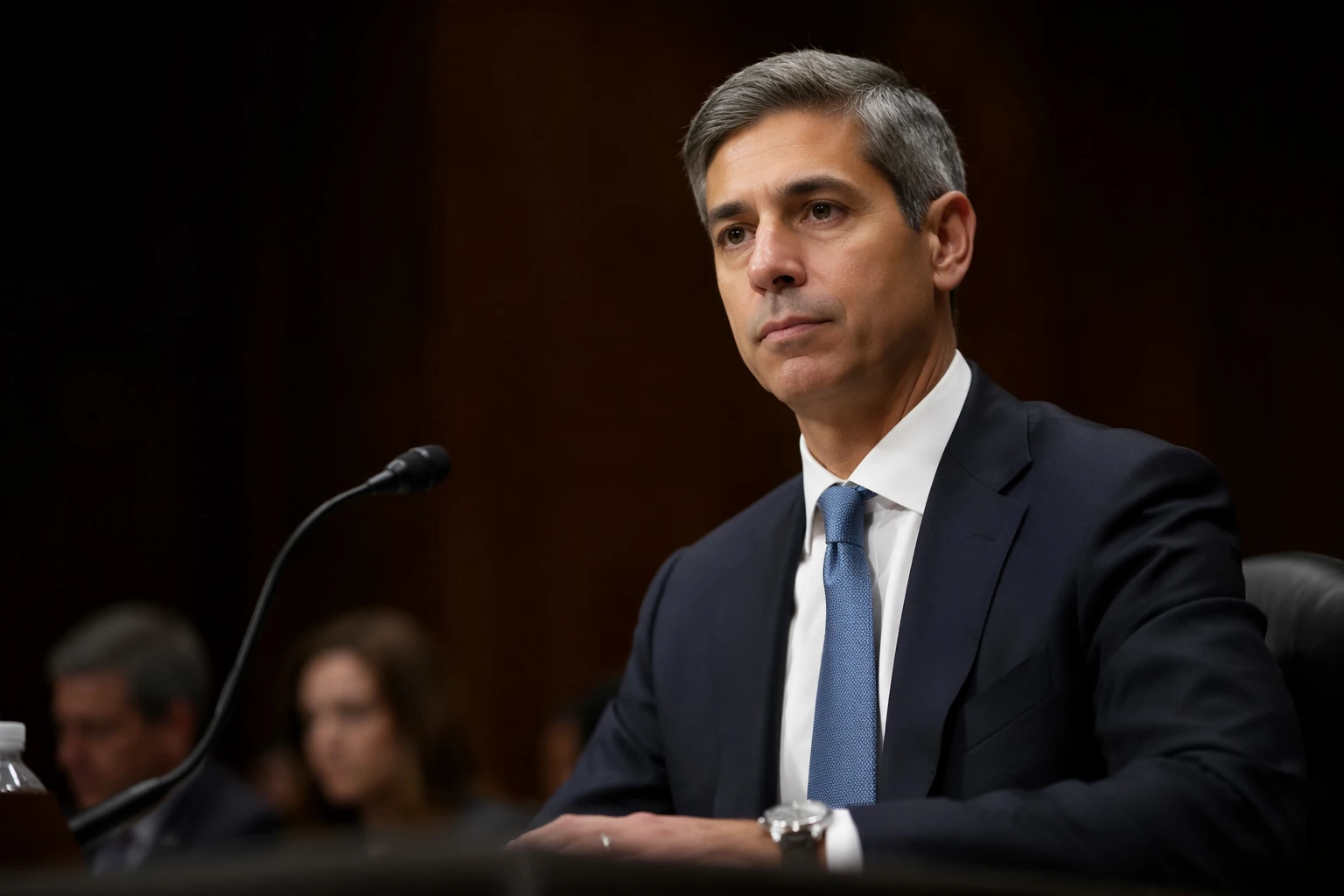
Warsh’s first meeting mattered as much for tone as for rates. The new statement was expected to be more neutral, and analysts were watching for language that could drop any suggestion of additional interest-rate adjustments. Warsh has previously said he disliked forward guidance, a style that would mark a sharper break from the more scripted communication the Federal Reserve has used in recent years. If that language disappeared, it would signal a more open-ended approach to future policy, with less of the careful signaling that markets have grown used to.
The June 16-17 meeting also included the Summary of Economic Projections and the dot plot, the Fed’s main public forecast for rates, growth, unemployment and inflation. Those projections were likely to draw close scrutiny from investors, borrowers and employers trying to judge whether the next move is a cut, another long hold or, farther out, even a hike. Markets had already been looking toward December as a possible turning point, a sign that inflation still has not been fully tamed.
The meeting came just days after the United States and Iran announced a tentative peace deal, which helped push oil prices lower and eased some immediate inflation fears. Even so, the central bank was still expected to have to explain why softer energy prices had not yet translated into lasting relief. Jerome Powell remained a voting member of the committee despite the leadership change, adding continuity inside a meeting that was otherwise the opening test of Warsh’s tenure. With a press conference scheduled after the decision, his first public remarks were set to define how this Fed communicates, and how patient it is prepared to be.
Sources
- [1]money.usnews.com
- [2]bls.gov
- [3]politico.com
- [4]finance.yahoo.com