Business
Warsh says inflation risks ease, but Fed still has work to do
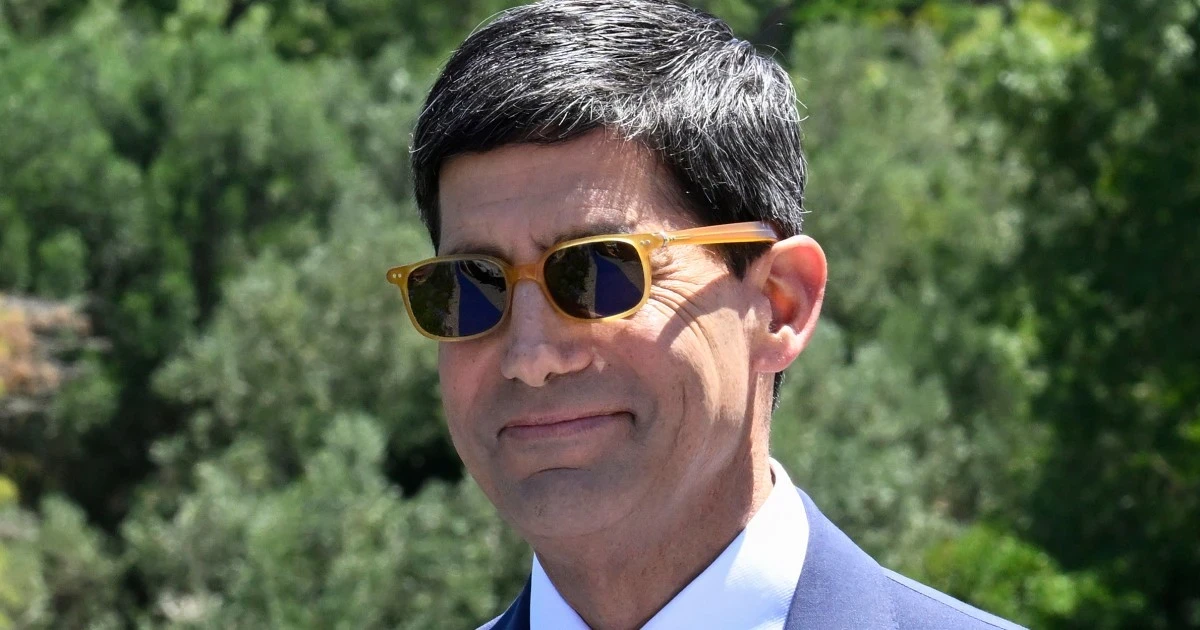
Kevin Warsh said inflation risks had come down and that the Federal Reserve still had more work to do to bring prices lower, offering no hint about the next move on interest rates during an appearance at the European Central Bank’s forum in Sintra, Portugal. The Fed chair shared the stage with Christine Lagarde, Andrew Bailey and Tiff Macklem, but gave the clearest signal yet that his first major international outing would not be used to telegraph policy.
Warsh pointed to lower energy prices as a reason for the shift, tying that decline to the memorandum of understanding the United States and Iran signed last month to end the war. Even so, he said prices were still a bit above pre-conflict levels. The backdrop remains hot: the U.S. Bureau of Labor Statistics said consumer prices rose 0.5% in May and 4.2% from a year earlier, the fastest annual pace since 2023, with energy accounting for more than 60% of the monthly increase.
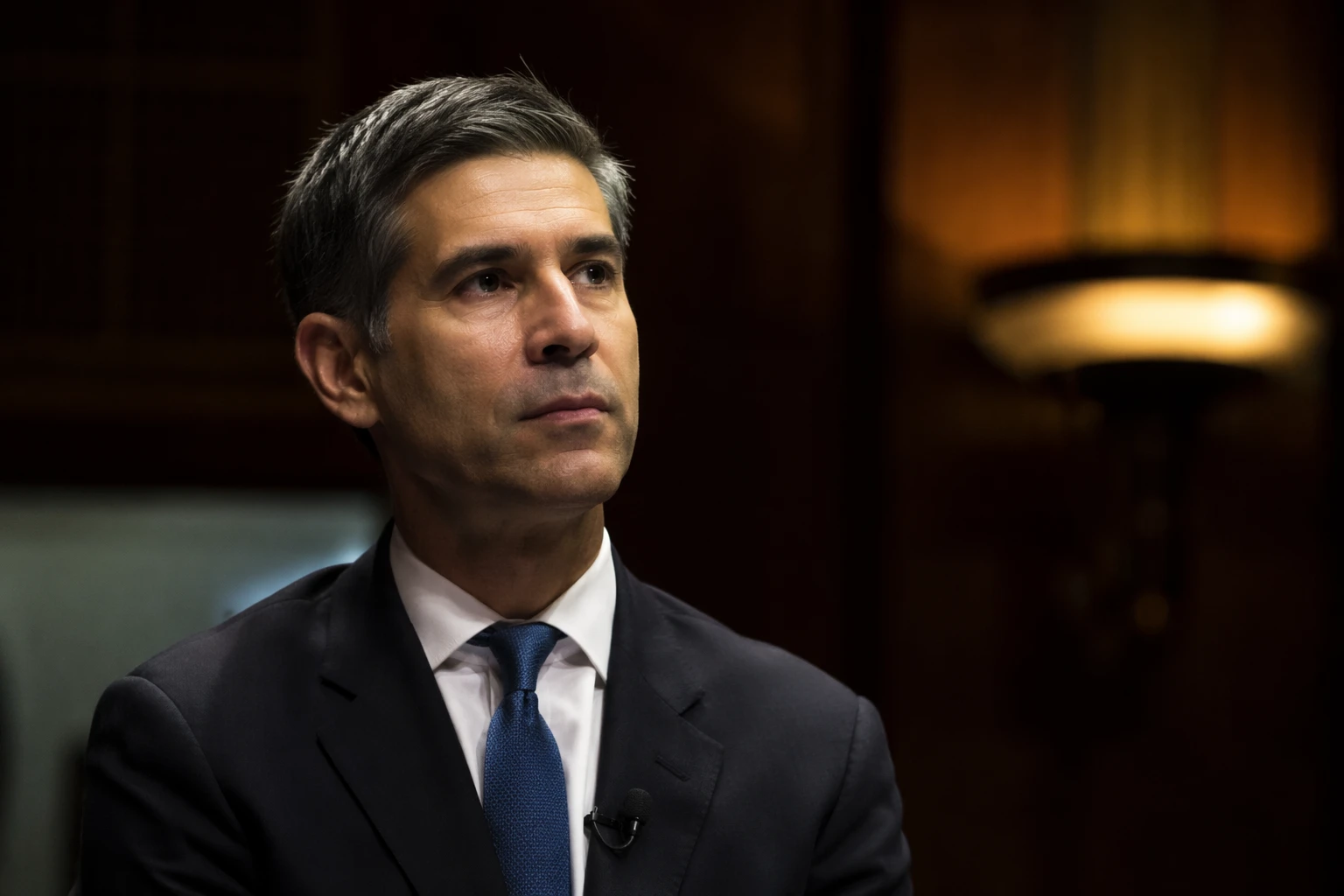
The June 16-17 Federal Open Market Committee meeting left the benchmark federal funds rate unchanged in a range of 3.5% to 3.75%, and Warsh did not offer any signal that the path would change soon. He also reaffirmed the Fed’s independence while President Donald Trump has continued pressing for rate cuts, saying, “We’ve been an independent central bank for a very long time. We’re going to be an independent central bank at this moment.” For households and employers, that means borrowing costs are still being set by a central bank that is not yet ready to declare victory over inflation.
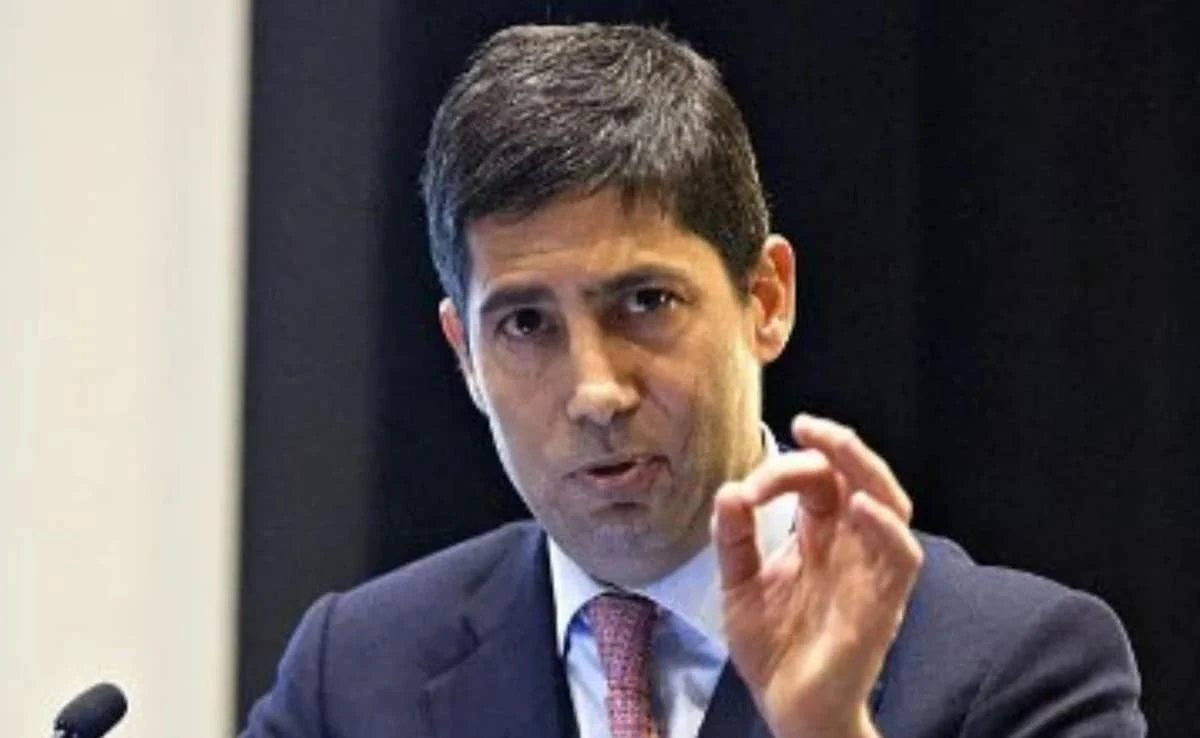
Warsh also used the forum to make a broader economic argument about artificial intelligence. He said the “AI shock” is driving a boom in capital expenditures and said he is confident the effects will eventually show up in supply, adding that he believes AI will create jobs rather than destroy them. That view echoes his April 21 confirmation hearing before the Senate Banking Committee, when he said the Fed needs to update its models for AI’s effects on productivity and labor, warned that the central bank does not have long to study the issue, and said he was more confident AI would improve output than that anyone could predict when labor-market effects would appear. In Warsh’s telling, the next inflation fight may be shaped as much by energy and capital spending as by wages, hiring and the pace of rate cuts.
Sources
- [1]nbcnews.com
- [2]bls.gov
- [3]federalreserve.gov
- [4]ecb.europa.eu
- [5]meritalk.com