Business
Warsh says markets should guide the Fed, not the other way around
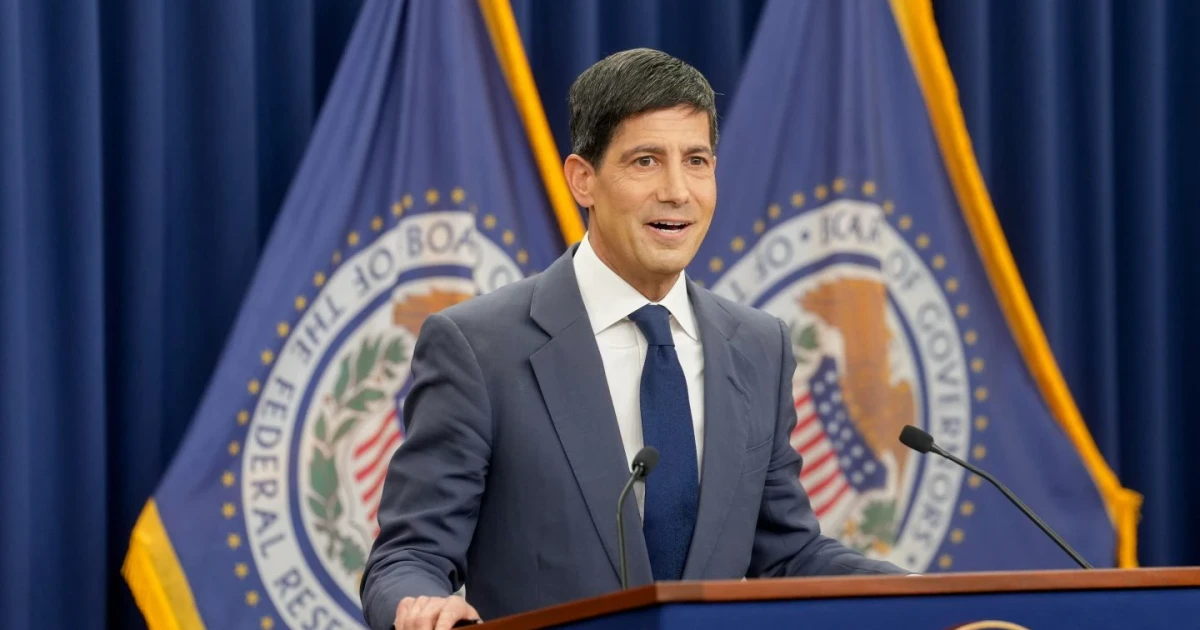
Kevin Warsh’s first meeting as Federal Reserve chair did more than leave rates unchanged. By removing forward guidance and signaling that markets should help inform policy, he pushed investors to reassess the path for borrowing costs, the dollar and the next move from the central bank. The Federal Open Market Committee voted unanimously to hold the benchmark rate at 3.5% to 3.75%, but the messaging around that decision was far more hawkish than the hold itself.
Warsh paired the rate decision with a structural reset. He declined to give his own projection in the Fed’s Summary of Economic Projections, said the statement was deliberately shorter and simpler, and stripped out the language that had been used to steer expectations about future cuts. He also announced five task forces to review communication, the balance sheet, data sources, productivity and jobs, artificial intelligence and other technologies, and the inflation framework. That puts him on a clearer collision course with the recent Fed habit of managing markets through explicit signaling.
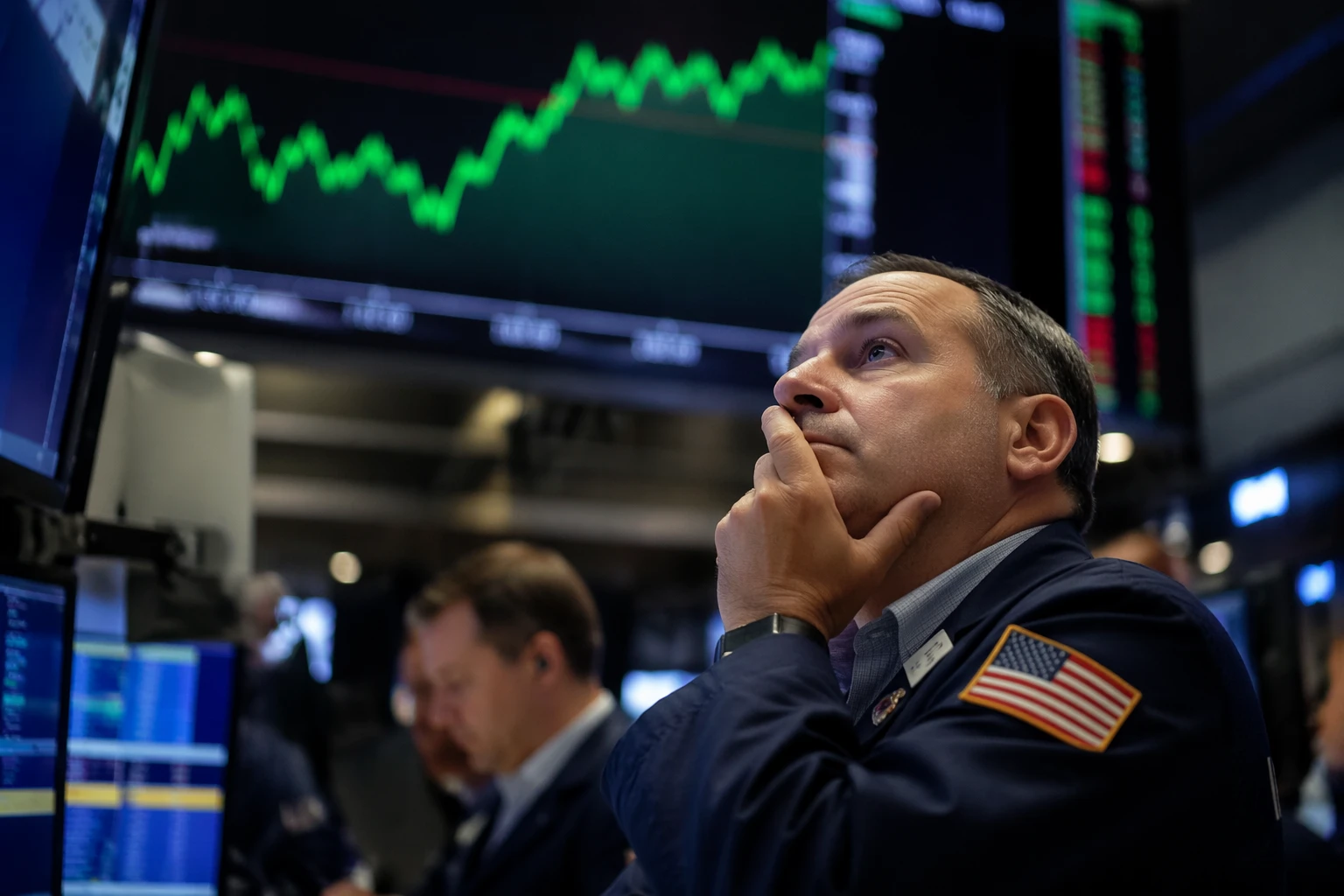
Markets responded immediately. The policy-sensitive 2-year Treasury yield rose 14.4 basis points after the meeting, while the dollar index climbed to a one-year high of 100.80, its strongest level since May 2025. The yen weakened to its lowest level in two years, the euro fell to $1.1463 and sterling slid to $1.3206 as traders pushed the odds of a rate hike to 68% by September. By Friday, markets were fully pricing a hike by October.
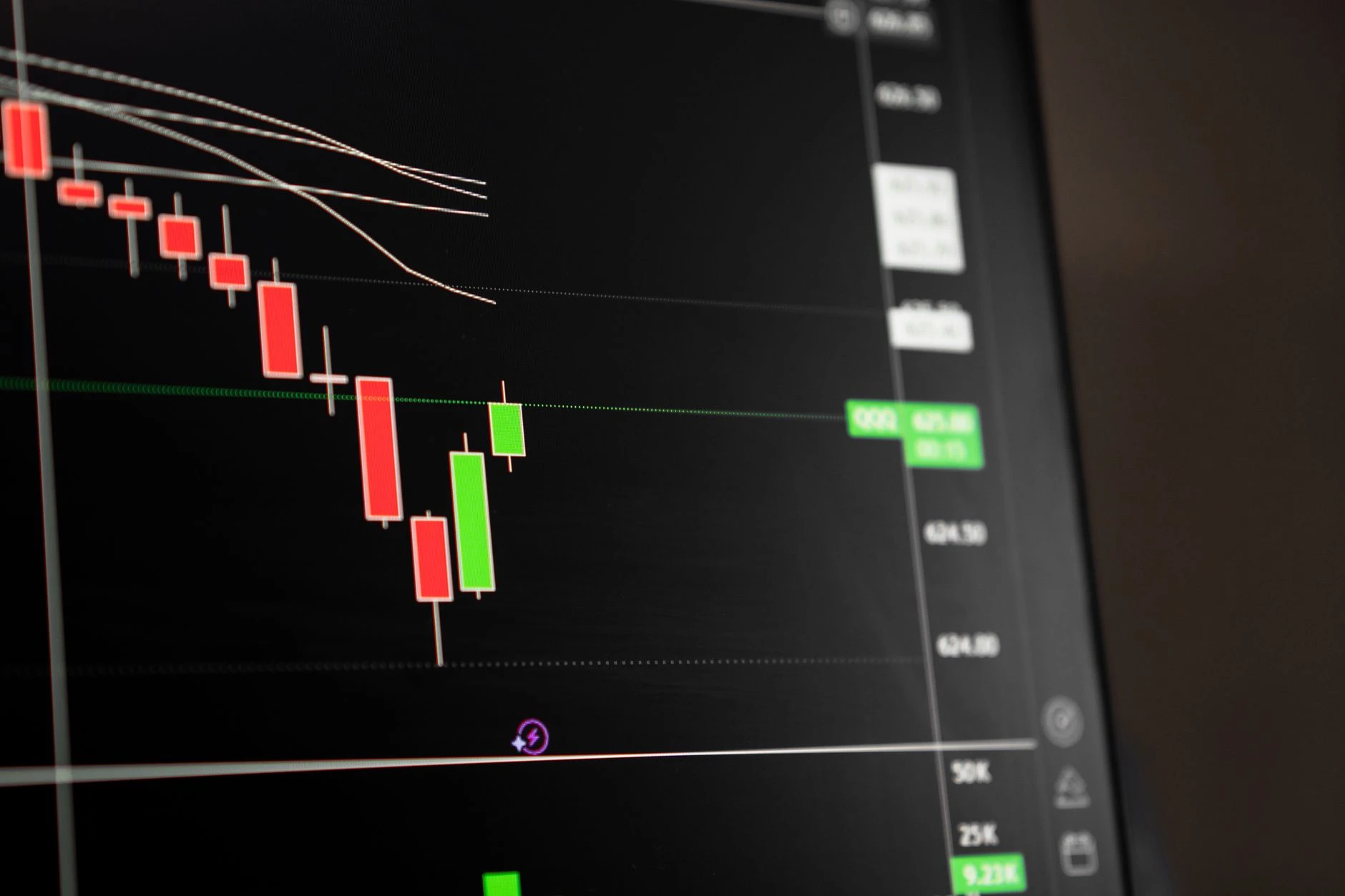
That reaction shows why Warsh’s approach matters beyond central-bank philosophy. Higher short-term rate expectations feed into mortgage pricing, credit cards, auto loans and business borrowing, while a stronger dollar tightens global financial conditions and can pressure exporters and emerging markets. Warsh is betting that the Fed will learn more by letting markets discover the policy path on their own, even if that creates more volatility in the near term. The trade-off is blunt: less guidance from the Fed means more adjustment from investors, and those adjustments are already showing up in yields, currencies and rate expectations.