Business
Warsh signals a return to Greenspan-style Fed secrecy
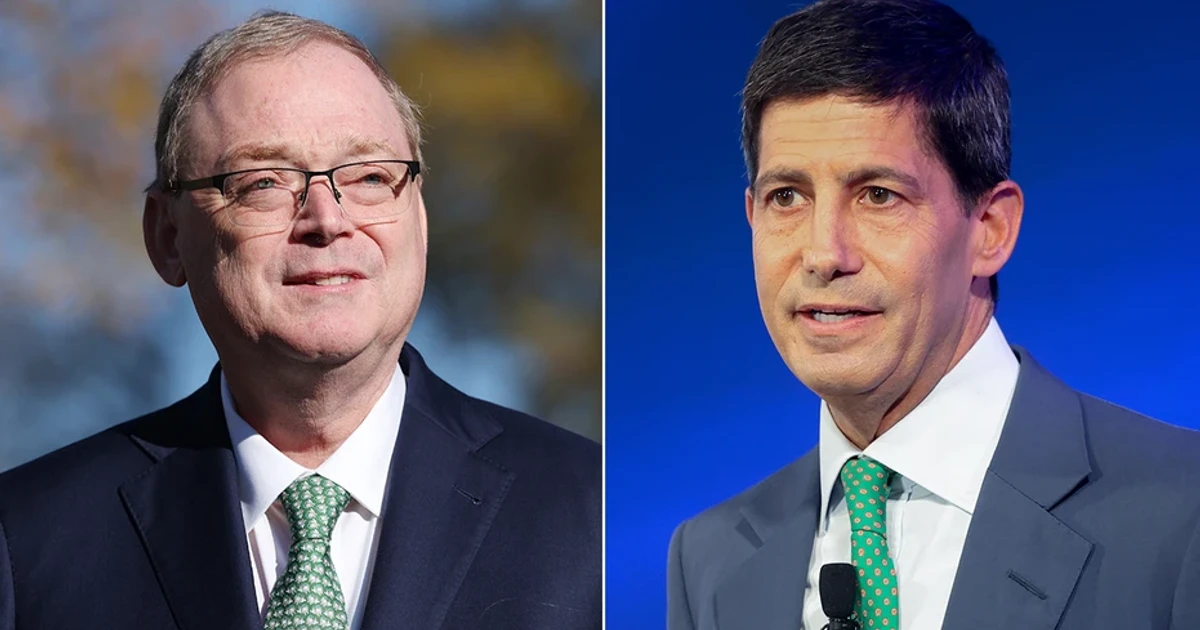
Kevin M. Warsh is signaling a Federal Reserve that speaks less, reveals less and leaves more to market interpretation, with Alan Greenspan as the model. That matters because Greenspan died Monday at age 100 at his home from complications of Parkinson’s disease, and Warsh invoked him four times during his May 22 swearing-in at the White House, the first Fed chair to be sworn in there since Greenspan in 1987.
Greenspan’s record is the template Warsh appears to admire. Greenspan served as the 13th chairman of the Federal Reserve from 1987 to 2006, leading the central bank through 19 years under Ronald Reagan, George H.W. Bush, Bill Clinton and George W. Bush. His tenure helped define the long expansion later labeled the Great Moderation, a period that became associated with tame inflation and steady growth, but also with a central bank that often preferred ambiguity over explanation.
Warsh has suggested he would lean in the same direction. In his confirmation hearing and public remarks, he said Fed officials should speak less frequently and stop telegraphing policy too far in advance. He also declined to commit to holding a press conference after every policy meeting, a practice that became a hallmark of the Jerome Powell era and a close object of investor attention. The result, if Warsh gets his way, would be a Fed that leans more heavily on markets to infer the path of rates and less on explicit forward guidance.
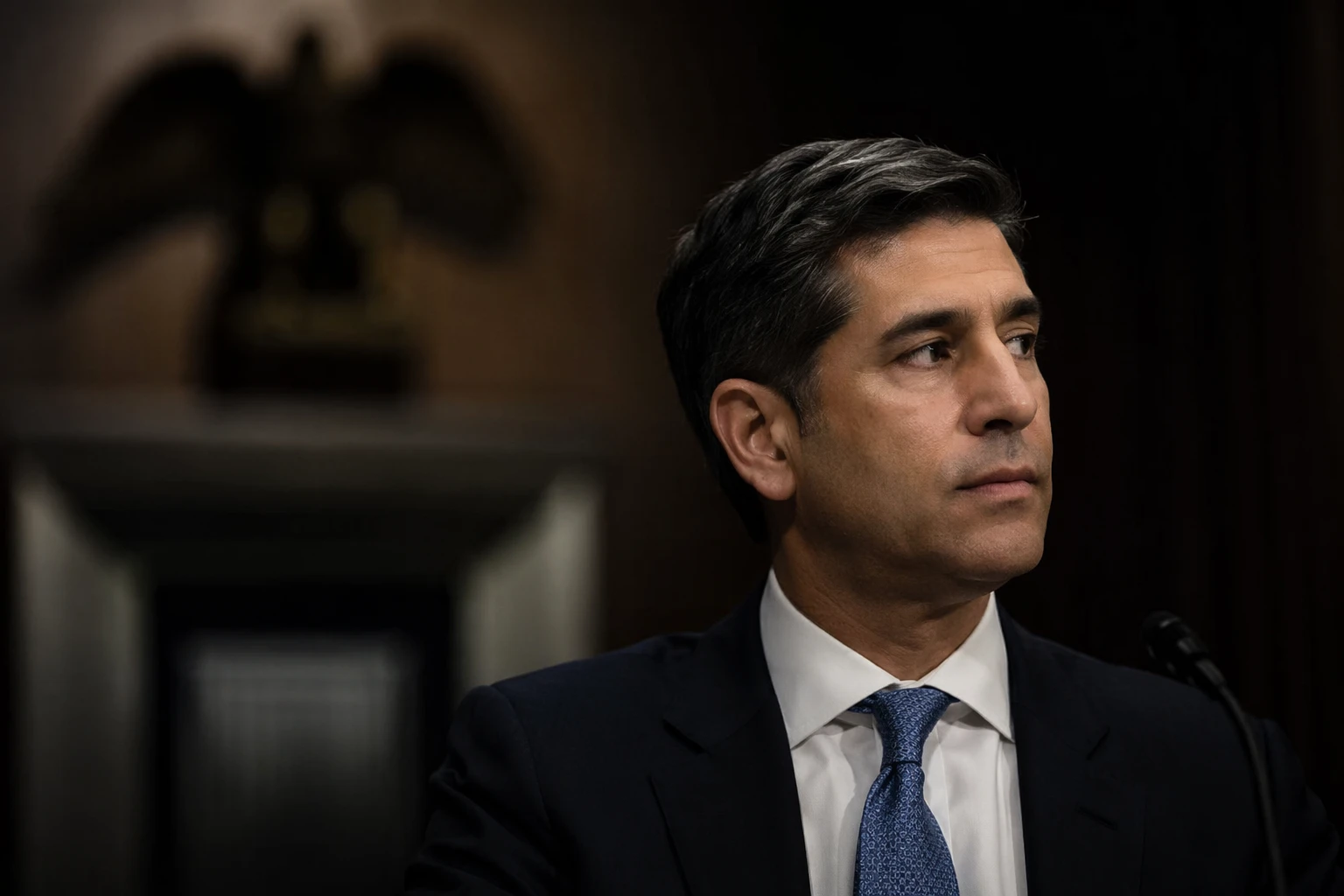
That approach would carry clear implications now, when inflation worries, high debt and political pressure have made every word from the central bank a market event. A Greenspan-style chair would likely prefer a narrower Fed role and more discretion, trusting financial markets to sort out signals with less help from Washington. Supporters see discipline in that restraint. Critics see opacity at a moment when the economy is more exposed to shocks and public confidence in institutions is fragile.
Greenspan’s own record offers both the appeal and the warning. He became famous for his guarded “irrational exuberance” warning in 1996, but after the financial crisis he acknowledged a “flaw” in his thinking about rational and efficient markets. The Federal Reserve said his contributions left a lasting mark on the institution, economics and the country. Ben Bernanke called him “a great central banker” who helped guide the United States through almost two decades of prosperity, while Donald Kohn said Greenspan could “dazzle and puzzle” by drawing insight from obscure data, even as he criticized Greenspan’s failure to use regulatory powers to build resilience against housing and financial risks.
Treasury Secretary Scott Bessent has also held up Greenspan as a model, saying on Jan. 8, 2026, that the Fed needs to have “merely an open mind” and praising Greenspan for resisting premature rate hikes during the technology boom. Warsh has made a similar argument, saying artificial intelligence could raise productivity, ease inflation and create room for rate cuts. Taken together, the signals point to a Fed that would be more patient, more elliptical and more willing to let markets do the listening.
Sources
- [1]nytimes.com
- [2]usnews.com
- [3]federalreserve.gov
- [4]cnbc.com
- [5]home.treasury.gov
- [6]brookings.edu