Business
Warsh signals new era at Fed, keeps rates unchanged
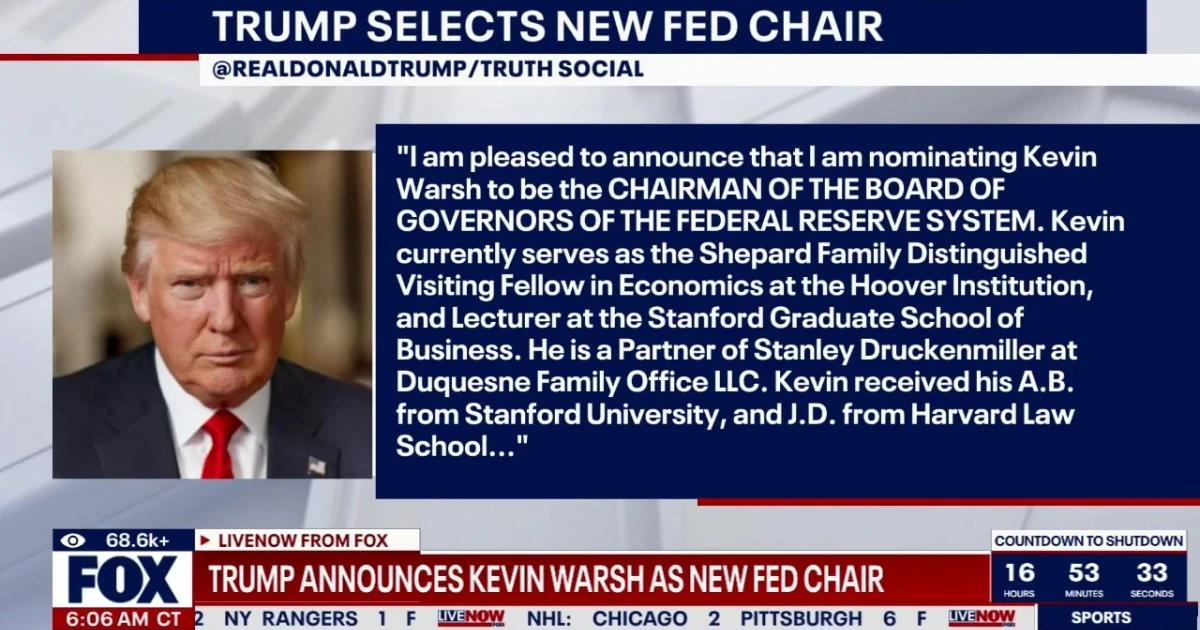
Kevin Warsh used his first press conference as Federal Reserve chairman to make the clearest case yet for how he intends to run the central bank: keep rates steady, strip out excess language and put inflation back at the center of the debate. The Federal Open Market Committee left its benchmark range unchanged at 3.5% to 3.75%, giving households no immediate relief on borrowing costs and leaving markets to parse a new chair who is already signaling a different tone.
Warsh, sworn in on May 22 after President Donald J. Trump nominated him on March 4 and the Senate confirmed him on May 12 and May 13, said it was an honor to return to the Fed. He said the committee was focused on price stability and maximum employment, but he also stressed that inflation had been running well above the Fed’s 2% goal for more than five years. In his telling, the economy was still expanding at a solid pace, productivity growth and capital investment were strong, and job gains were keeping pace with the workforce even as uncertainty remained elevated because of the conflict in the Middle East.
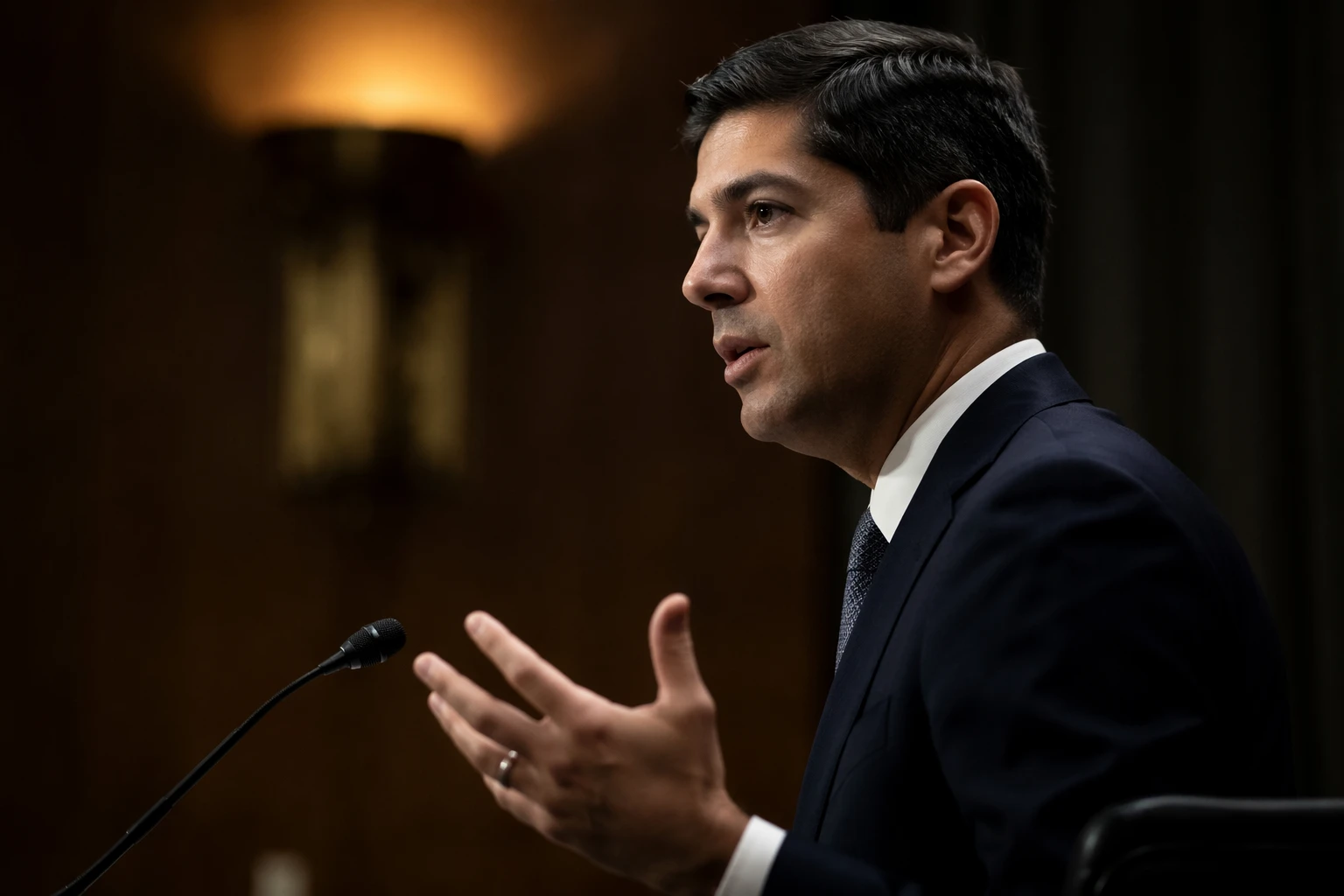
The most consequential shift may be in communication, not in the rate decision itself. Warsh said the new policy statement was shorter and simpler, dispensed with older language and omitted forward guidance because it was not well suited to the current policy environment. For investors, that means less of the Fed’s traditional attempt to steer expectations and more room for every phrase to move markets. For borrowers, it suggests the path of rates may be harder to read, especially if Warsh continues to emphasize inflation more aggressively than his predecessors.
The April 29 FOMC statement had already shown how fractured the discussion had become before Warsh took over. The committee kept rates unchanged, cited elevated inflation and Middle East uncertainty, and recorded a split that included a dissent from Stephen I. Miran for a cut, while Beth M. Hammack, Neel Kashkari and Lorie K. Logan objected to an easing bias in the statement. Against that backdrop, Warsh said the recent leadership change was a natural opportunity to review the Fed’s practices, and he described the committee as unanimous in its commitment to deliver price stability.
The next test of his approach will come quickly. The June 16-17 meeting included fresh economic projections released on June 17, and bank stress-test results are scheduled for June 24. Together, those releases will show whether Warsh’s Fed is becoming more hawkish, more disciplined in its messaging, or simply less willing to cushion uncertainty with promises about the future.