Business
Warsh signals quieter Fed, raising fears of volatile markets
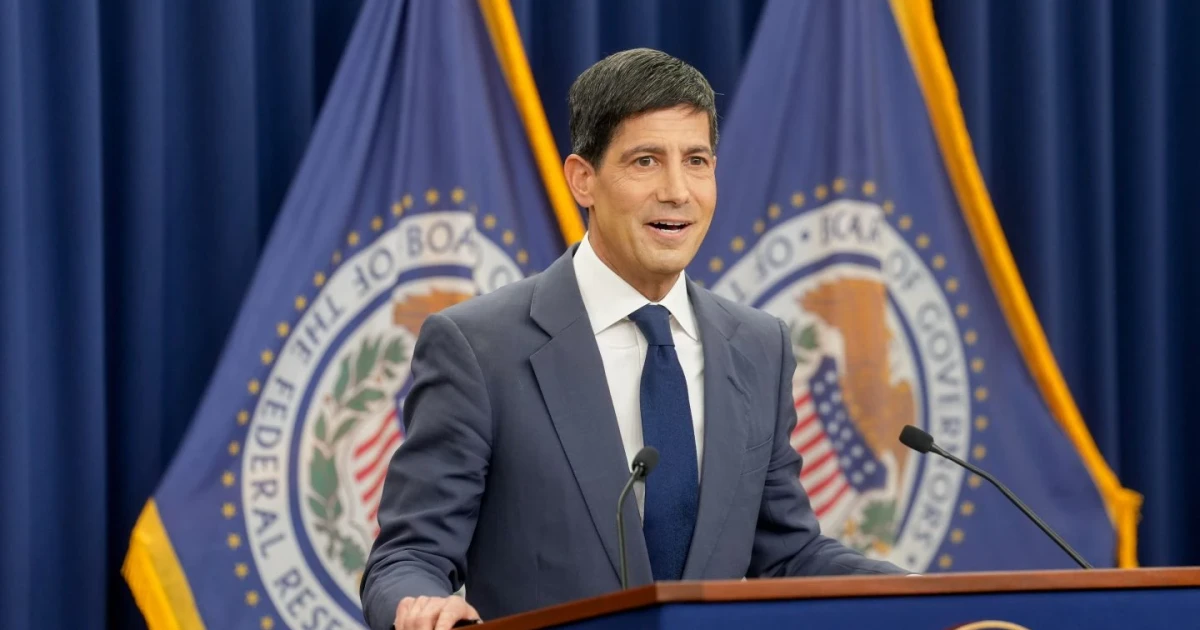
A quieter Federal Reserve may sound like a victory for discipline, but it can also make everyday borrowing costs harder to read. If the central bank says less, markets may have to guess more, and that uncertainty can show up in mortgage rates, credit cards, retirement accounts, and business loans.
Warsh’s first test of a new Fed tone
Kevin Warsh used his first policy meeting as Fed chair to signal a sharp change in style. The Federal Open Market Committee left the benchmark federal funds rate unchanged at 3.5% to 3.75% in a unanimous 12-0 vote on June 17, 2026, but the bigger story was how much less the Fed said about what came next. The statement released after the meeting ran 132 words, far below the 341 words in the April statement, and the contrast immediately caught the attention of traders.
Warsh has long argued that markets have become too dependent on Fed guidance. In his view, forward guidance is most useful in crises or downturns, not as a standing feature of normal monetary policy. That philosophy now appears to be guiding the central bank’s communications, not just its interest-rate decisions.
The Fed’s June meeting was also the first under Warsh’s leadership. According to the Federal Reserve’s biography, he took office as chairman of the Board of Governors on May 22, 2026, for a four-year term ending May 21, 2030. His opening act suggested he intends to use that term to rework not only policy signaling but the institution’s entire public posture.
Why a shorter statement matters
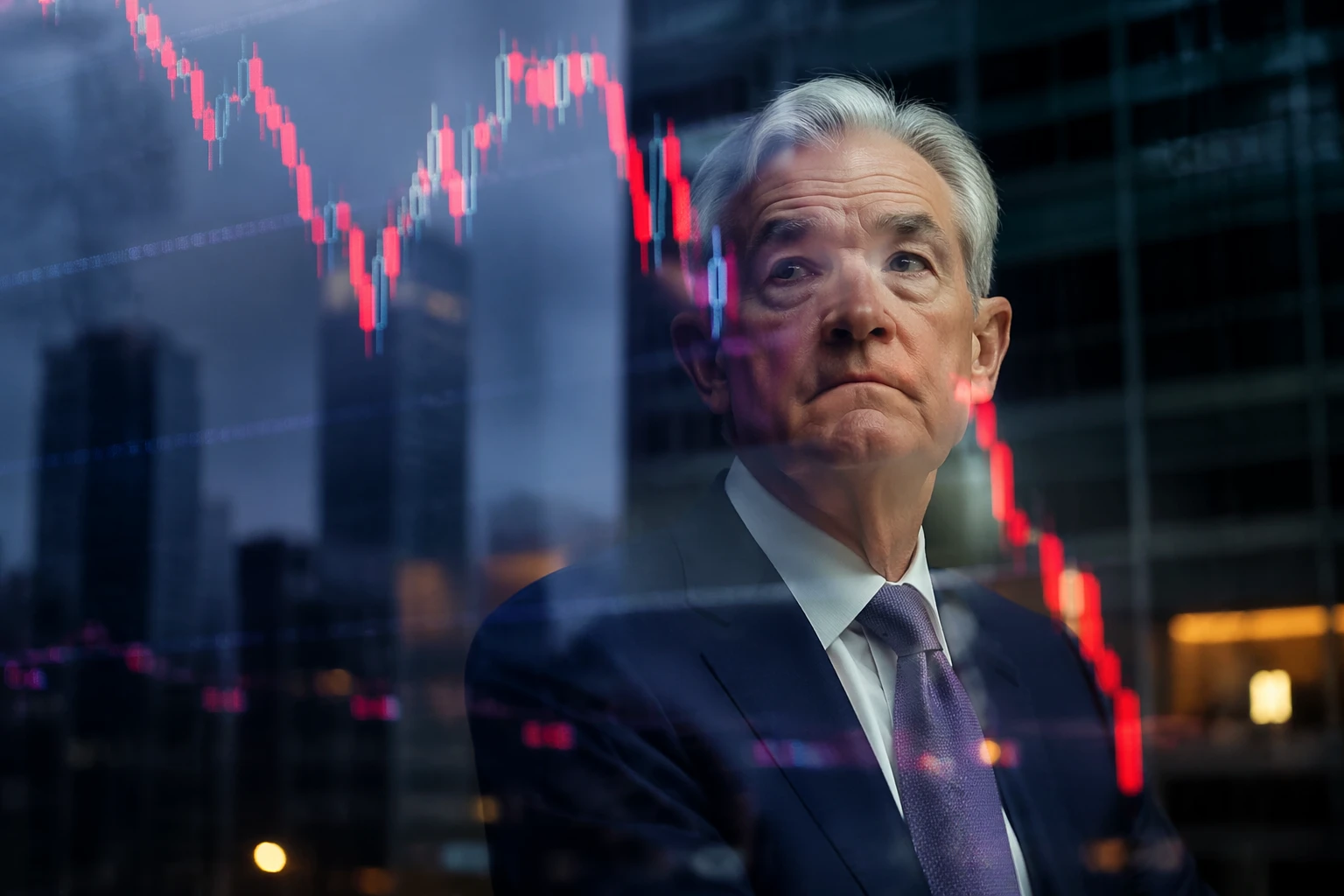
For decades, the Fed moved in the opposite direction. It went from a remote, opaque government agency that shared little about what it did or why to a far more transparent institution, one that explains decisions through detailed post-meeting statements, press conferences, and the Summary of Economic Projections. That transparency was designed to anchor expectations, reduce unnecessary market panic, and give households and businesses a better sense of where rates were headed.
Warsh appears to be testing whether that framework has gone too far. CNBC noted that the June statement offered only a cursory characterization of the economy and was notably shorter than the April version. That matters because words from the Fed are not just commentary. They are part of the policy itself, shaping what investors believe about future rates before the Fed actually moves.
A less explicit Fed can create two very different outcomes. If communication becomes too sparse, it may force markets to price in more uncertainty, which can increase swings in Treasury yields, stocks, and corporate borrowing costs. On the other hand, supporters of the shift argue that less guidance could restore market discipline by making investors pay more attention to real inflation and growth data rather than hanging on every phrase from the central bank.
The rate outlook is still leaning tighter
The June meeting did not just reduce the volume of Fed communication. It also reinforced the possibility that rates may stay elevated, or even rise again. The June Summary of Economic Projections showed a median policy rate of 3.8% at the end of 2026, up from 3.4% in March, which implies at least one rate hike this year.
That projection landed after the Fed had already cut rates by three-quarters of a percentage point in late 2025. The pause in June suggests policymakers are now weighing whether that earlier easing went far enough, especially with persistent inflation still a concern inside the institution. Reuters reported that some policymakers remained open to further tightening later in 2026, which fits the market’s read of a Fed that is no longer eager to provide reassurance.

Warsh also said he would not provide his own forecast in the SEP, another sign that he wants to limit the degree to which the chair personally shapes market expectations. That is a notable break from the modern Fed’s habit of using forecasts as part of the policy message.
Task forces, operations, and a broader internal reset
Warsh did more than change the tone of the statement. He announced task forces to review major Federal Reserve functions, including communications and operations. That points to a broader institutional review, not just a one-time attempt to simplify a press release.
The move suggests Warsh is trying to reorganize how the Fed thinks about its own role in the economy. Communications at the central bank are not window dressing. They influence how quickly financial conditions tighten or loosen after each meeting, how aggressively markets price future moves, and how much uncertainty businesses feel when deciding whether to borrow, hire, or invest.
If those task forces lead to a more restrained and less predictive Fed, the effects could ripple beyond Wall Street. A company financing a factory, a family refinancing a mortgage, or a household carrying revolving credit all depend on expectations about where borrowing costs are headed. When the Fed becomes less explicit, those expectations can become less stable.
What investors and households should watch next
The central question is whether Warsh’s quieter approach restores discipline or simply makes the economy harder to read. A more restrained Fed may reduce the impression that monetary policy is on autopilot, but it also removes a layer of guidance that has helped markets and households plan around interest rates.
The stakes are especially high because the Fed’s communications have become part of its credibility. Years of detailed statements, press conferences, and forecasts taught markets to expect a steady hand and a clear path. Warsh is now trying to reverse some of that habit while inflation is still lingering and the policy rate remains in restrictive territory.
For households, the implications are practical rather than abstract. More volatility in rate expectations can mean: • less predictable mortgage pricing • wider swings in credit-card and consumer-loan costs • more unstable valuations in retirement portfolios • higher uncertainty for small businesses and larger employers making financing decisions
For investors, the risk is that fewer signals from the Fed produce more surprises, and surprises tend to move markets. The question is not whether the central bank can speak less. It is whether the economy can tolerate a quieter Fed without paying for that silence in sharper swings across borrowing costs and asset prices.
Warsh has made clear that he wants a different central bank, one that says less and lets markets do more of the interpreting. The next test is whether that discipline calms the system or makes every future Fed decision harder for the public to price.
Sources
- [1]news.google.com
- [2]abcnews.com
- [3]federalreserve.gov
- [4]cnbc.com
- [5]forbes.com