Business
Warsh’s AI rate case looks shaky against Greenspan history
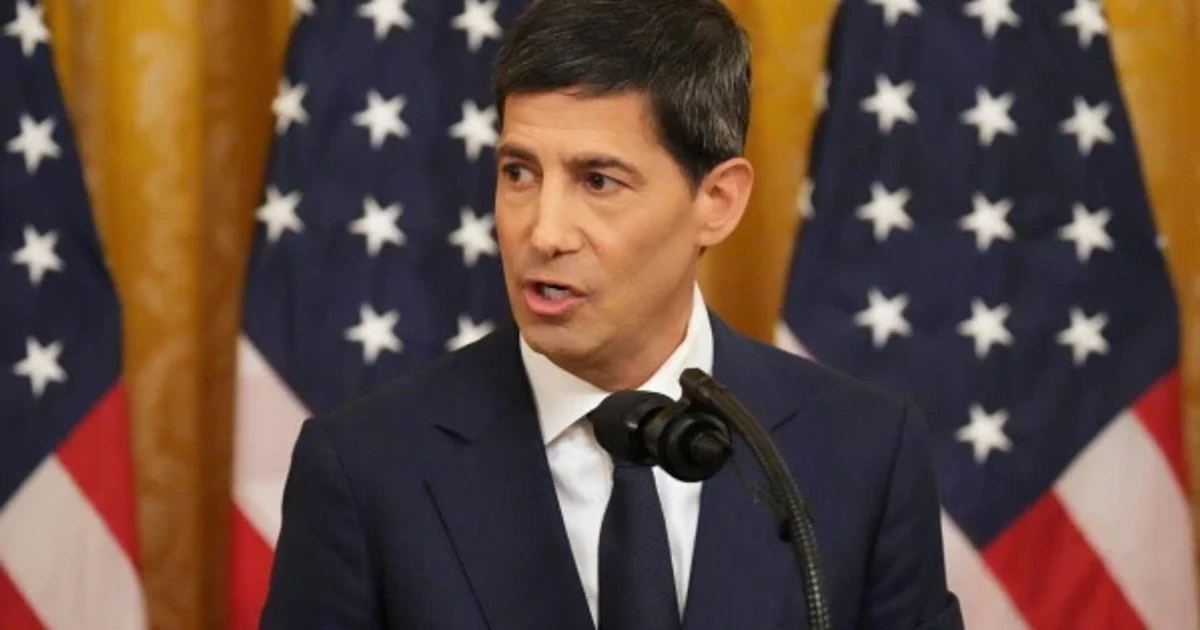
Kevin Warsh has cast artificial intelligence as a "significant disinflationary force," but the Federal Reserve’s own recent thinking suggests that argument is still a leap, not a conclusion. The strongest historical comparison, Alan Greenspan’s technology boom of the late 1990s and early 2000s, points to faster productivity, not to any clean rule that lower rates are automatically justified.
Greenspan told Congress on June 17, 1999 that new technologies were inducing major shifts in the underlying structure of the American economy and that standard models had underpredicted growth and overpredicted inflation. Less than a year later, on March 6, 2000, he said output per hour in the nonfinancial corporate sector had risen at an average annual rate of 3.5% since 1995, nearly double the pace of the previous quarter-century, and he linked that surge directly to the information-technology revolution.
That is the temptation for Warsh, who argued in a November Wall Street Journal op-ed that AI could be accommodated by lower rates. But the Greenspan record is a warning against turning one productivity story into a monetary-policy template. By October 2002, Greenspan was still talking about strong productivity gains even as he noted that many analysts expected a later slowdown, a reminder that technology-led booms can look durable right up until they do not.
The Federal Reserve is sounding much less certain about AI than Warsh’s case implies. In February 2026, the San Francisco Fed said AI adoption and use are still evolving, the technology is changing rapidly, and its impact on productivity growth and the economy remains uncertain. Reuters reported on March 2, 2026 that Fed officials were divided over how quickly AI would affect labor markets and prices.
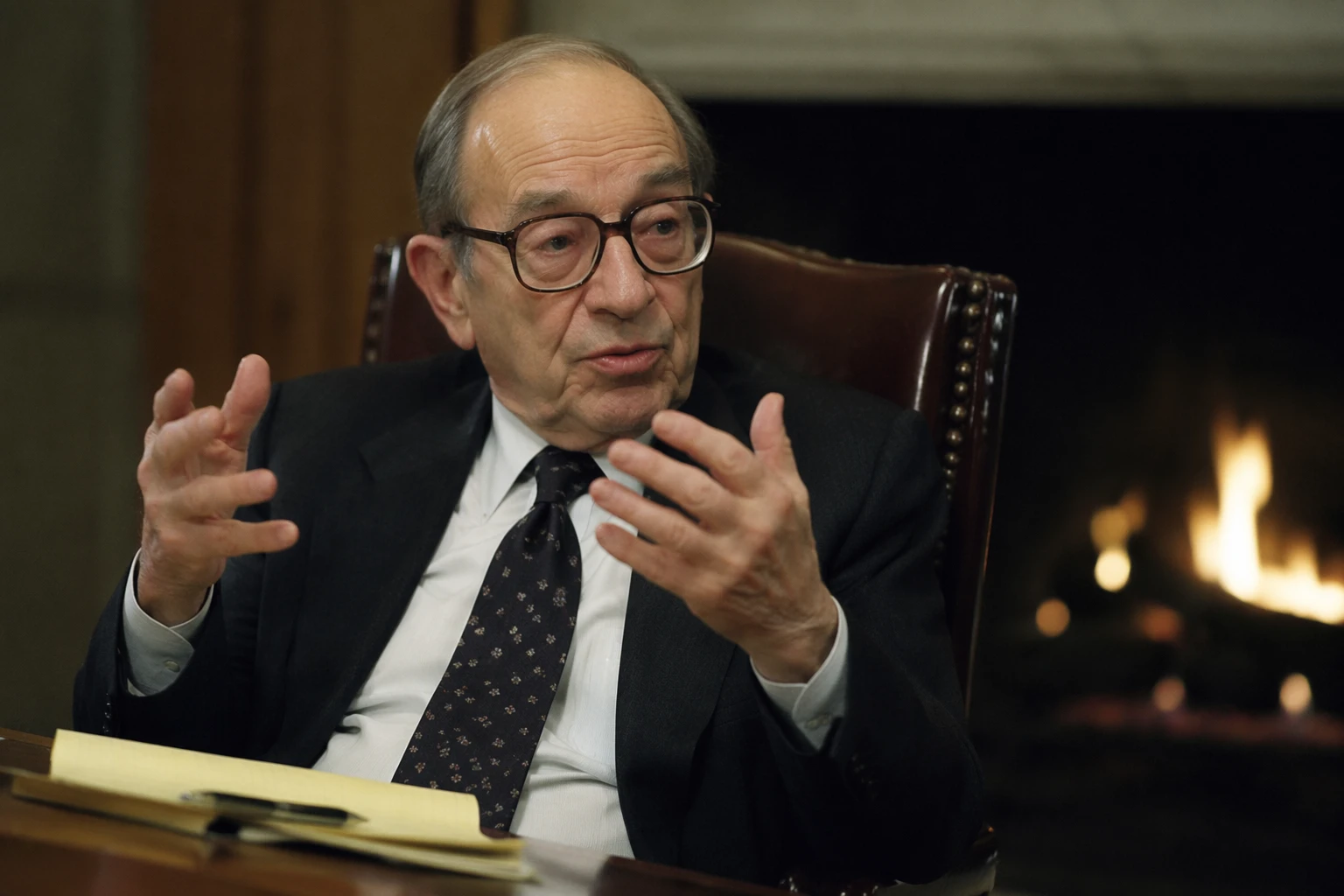
In that report, Adam Posen of the Peterson Institute for International Economics said AI was producing "very little disinflation" so far and could even add to price pressure through higher capital returns, wages, electricity, and building costs. That cuts against any easy assumption that a productivity wave will quickly neutralize inflation. Faster output growth can lift supply over time, but it can also arrive alongside higher investment demand, asset-price gains, and tighter labor markets before the gains are widely felt.
Greenspan, who led the Federal Reserve from 1987 to 2006, died at 100 in June 2026. His legacy remains contested because the same era that celebrated the productivity surge also saw soaring stock valuations and later criticism that the long expansion fed excess risk-taking before the 2008 financial crisis. That history does not vindicate an AI rate cut case; it complicates it.
Sources
- [1]nytimes.com
- [2]federalreserve.gov
- [3]frbsf.org
- [4]money.usnews.com