US News
Warsh’s bid to end Fed guidance could raise US borrowing costs
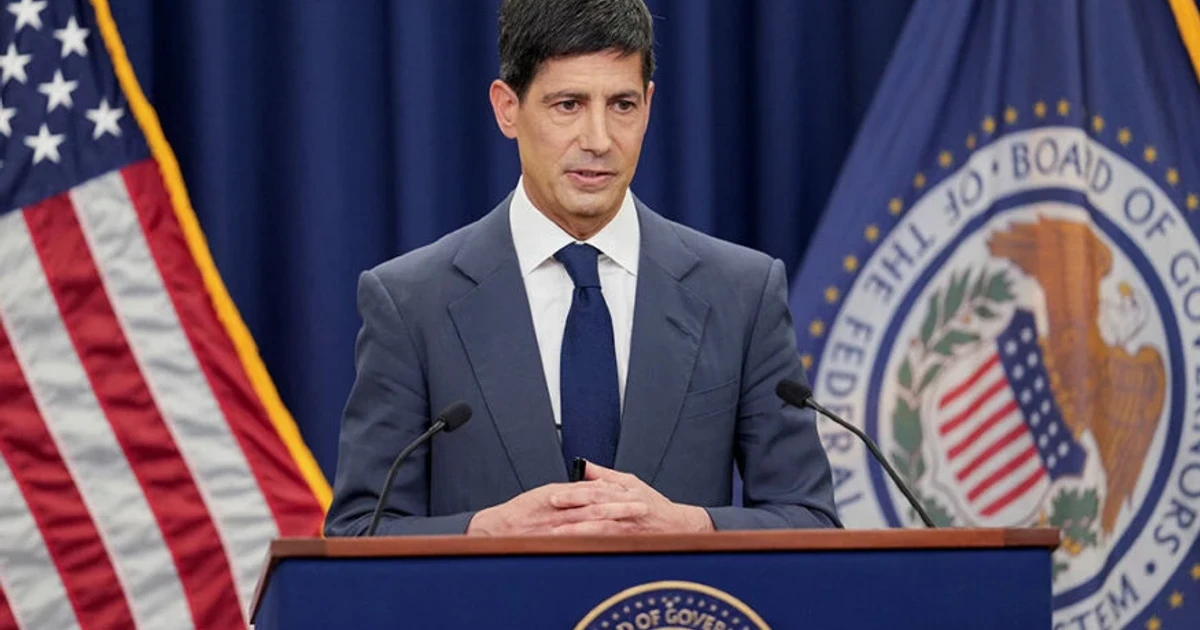
Kevin Warsh’s effort to strip forward guidance from the Federal Reserve could make the next rate move harder to read, and investors say that uncertainty may quickly show up in Treasury yields, mortgage quotes and corporate borrowing costs. The shift would mark a sharp break from a communication strategy the Fed has used for years to anchor expectations and calm markets.
The Federal Reserve defines forward guidance as a tool central banks use to tell the public the likely future course of monetary policy, and it says the signal can affect economic and financial conditions today because households and businesses adjust spending and investment around it. The Federal Open Market Committee began using the language in post-meeting statements in the early 2000s, then expanded it after the Global Financial Crisis with phrases such as “for some time,” “for an extended period,” “at least through mid-2013,” and “at least through late 2014,” before moving to threshold-based guidance tied to unemployment and inflation. The Fed says that approach helped support economic activity and a return of inflation to 2 percent after the crisis.
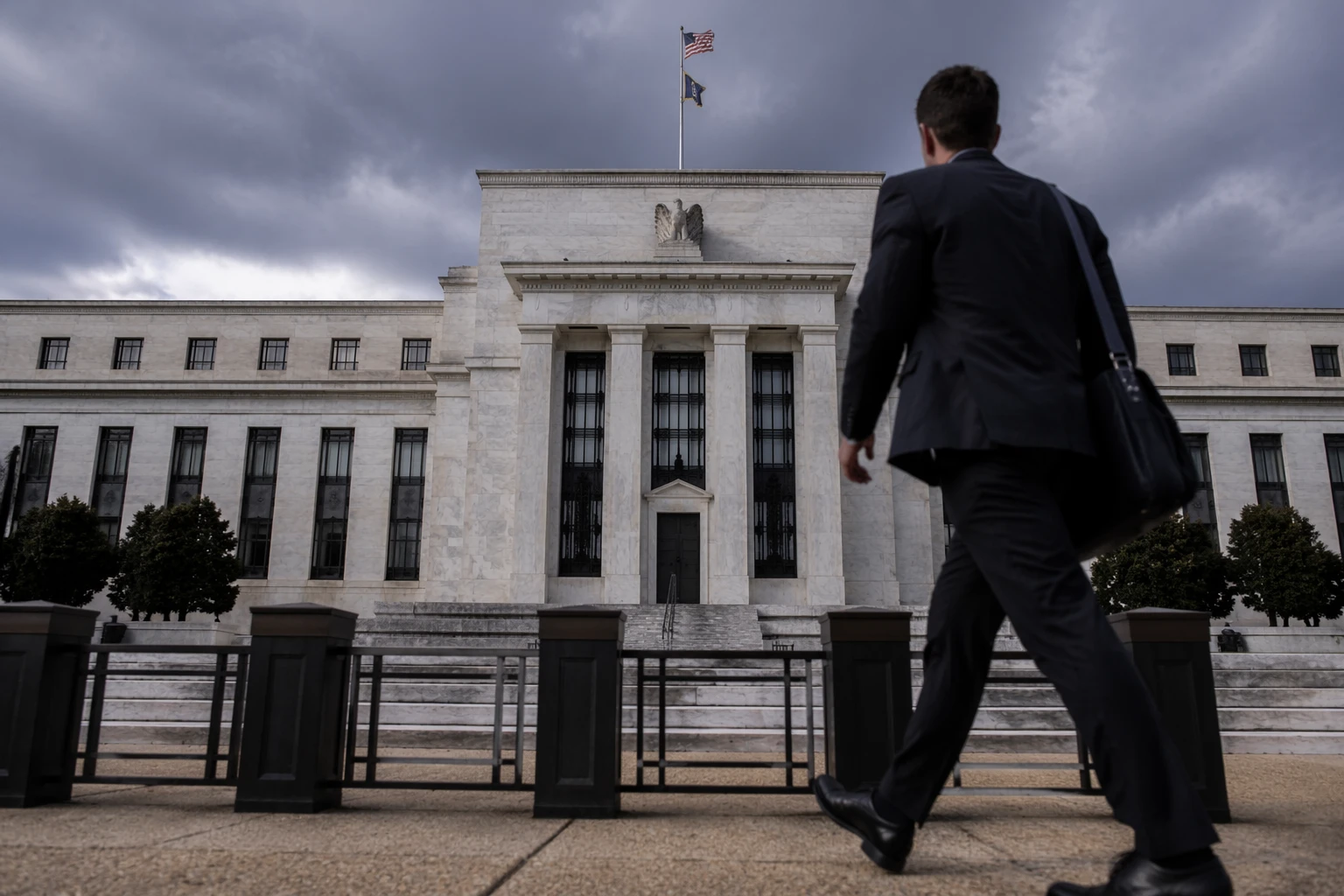
Warsh has moved quickly to remake that playbook. In his first policy meeting as chair in June 2026, the central bank held the target range at 3.5% to 3.75%, and Fed funds futures showed virtually no chance of a rate cut at that meeting. CNBC reported that Warsh intended to make the Fed quieter and more focused on inflation, and that he set up task forces on communications, the balance sheet, data, productivity and jobs, and the inflation framework. The June 2026 policy statement omitted forward guidance, signaling a more restrained approach to telling markets what might come next.
That change has already altered how traders are positioning. Reuters reported on June 18 that investors were bracing for a less predictable Fed as Warsh rewrote the playbook, with markets reacting to the central bank’s pullback from signaling possible future interest-rate moves. Treasury yields rose as investors adjusted to the new regime, and that is where the broader cost to consumers and companies could land first.

If guidance stays muted, markets may demand a higher risk premium for not knowing the Fed’s next step. That would tend to push up Treasury yields, mortgage rates and corporate borrowing costs, making Warsh’s promise of more policy flexibility a trade-off that could leave the broader economy paying more for less clarity.
Sources
- [1]news.google.com
- [2]federalreserve.gov
- [3]cnbc.com
- [4]money.usnews.com
- [5]ft.com