Politics
Washington, D.C. delegate race opens after 36 years, draws intense scrutiny
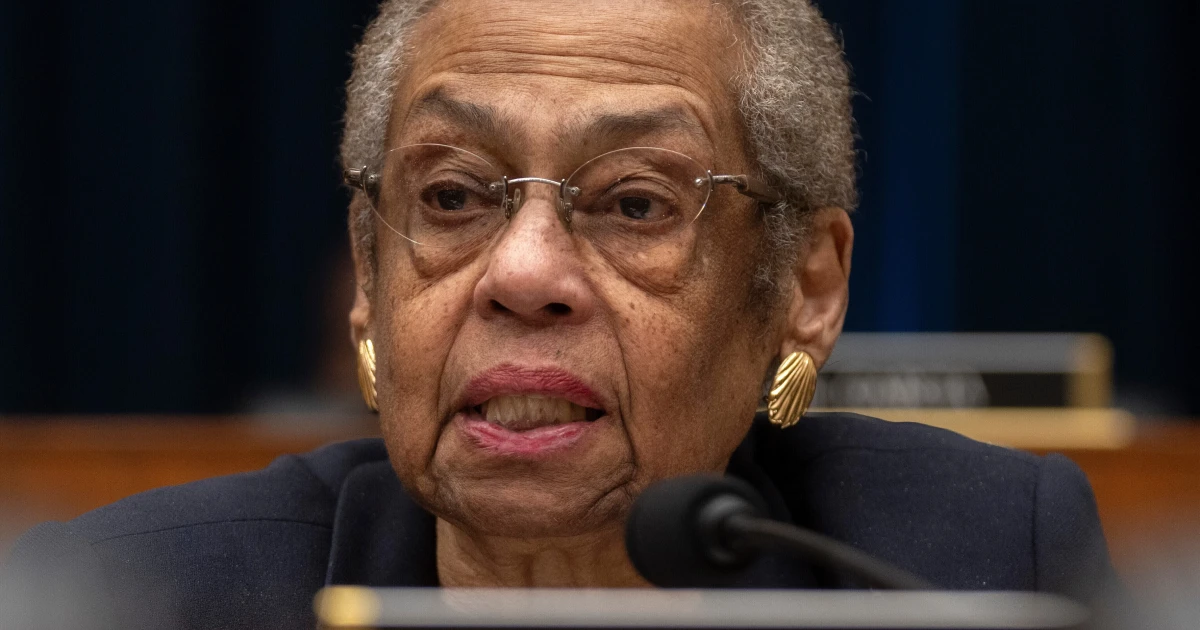
Washington, D.C.’s delegate race turned into a rare open-seat contest with consequences far beyond city hall. For the first time in 36 years, voters faced a choice for the nonvoting House seat, and five Democrats entered a ranked-choice primary as the city weighed who could best represent it under intense federal scrutiny.
The delegate’s powers remain limited in one crucial way: the seat cannot cast a final vote on the House floor. But the office still carries real leverage. The Congressional Research Service says the delegate can introduce legislation and serve on House committees with the same powers as representatives there, while D.C. residents still elect one nonvoting delegate and presidential electors but have no Senate representation. In a city facing an unprecedented level of federal involvement, that mix of access without full power made the race a proxy for home rule, public safety, federal spending and the District’s place in Washington.

The June 16 primary was the first election in the District to use ranked-choice voting. The District of Columbia Board of Elections said the system applied in eligible contests with three or more candidates and let voters rank up to five names, a change approved through a 2024 ballot initiative and funded by the D.C. Council in fiscal 2026. That meant campaign strategy mattered differently than in a traditional primary: candidates had to compete not only for first-choice support but also for second and third preferences if no one cleared a majority on the first count.
The Democratic field featured some of the city’s best-known local officials. WAMU identified Ward 2 Councilmember Brooke Pinto and At-Large Councilmember Robert White as the leading contenders, and the station said internal and public polls showed White with a healthy lead over the rest of the field. The five Democrats who appeared at a May 29 forum at Martin Luther King Jr. Memorial Library were Trent Holbrook, Greg Jaczko, Brooke Pinto, Robert White and Kinney Zalesne. On the Republican side, Denise Rosado ran unopposed.

The race carried historical weight as well as immediate political stakes. Only two people had ever served as D.C.’s nonvoting delegate to Congress, and Eleanor Holmes Norton first won the seat in 1990. That made the contest less a routine local primary than a test of whether District voters wanted continuity or a reset in the office that has long been the city’s most visible, if structurally constrained, link to Capitol Hill.
Sources
- [1]apnews.com
- [2]dcboe.org
- [3]wamu.org
- [4]congress.gov