Politics
Washington, D.C. voters begin new era without Eleanor Holmes Norton
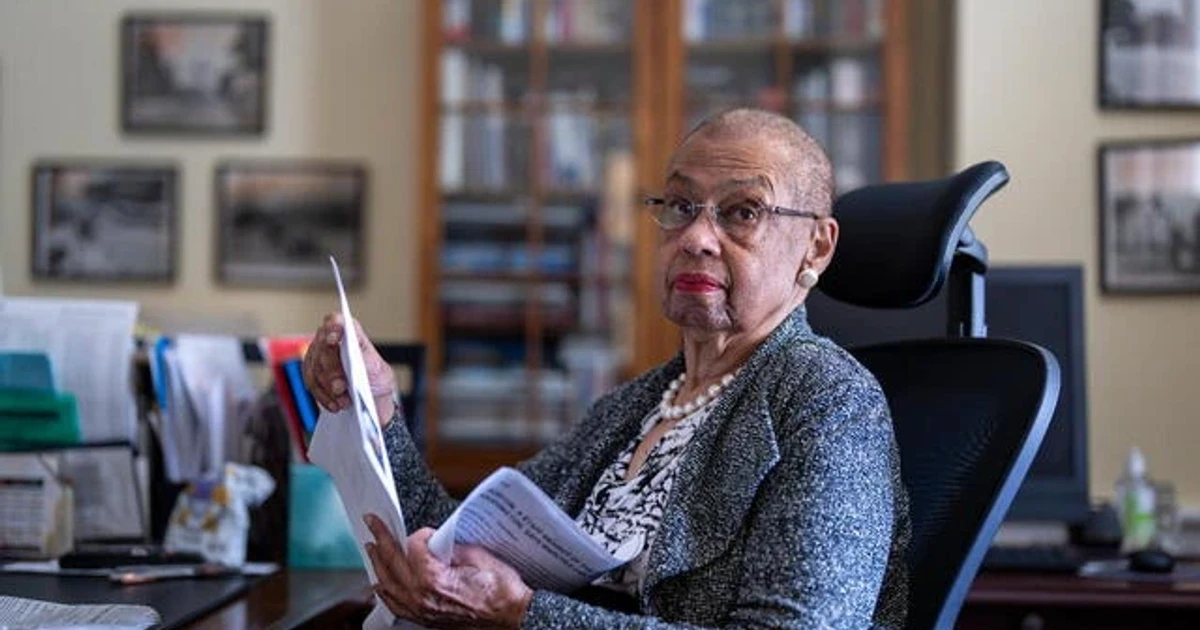
Eleanor Holmes Norton’s name was missing from Washington’s ballot for the first time in a generation, closing an era that began in 1991 and forcing the District to confront what comes after its best-known congressional advocate. Norton, 89, filed paperwork in January 2026 saying she would not seek a 19th term, after concerns grew that she could no longer wage the kind of forceful fight required against a Republican-led Congress and White House.
The stakes reach far beyond one seat. The District has roughly 700,000 residents, and the Census Bureau estimated the population at 702,250 on July 1, 2024, yet Congress still holds final authority over the city’s laws and budget. The District’s delegate can speak on the House floor, introduce bills and serve on committees, but cannot vote on final passage. That makes the office symbolic and consequential at the same time, a reminder that residents can choose local leaders while remaining without a voting member of Congress.
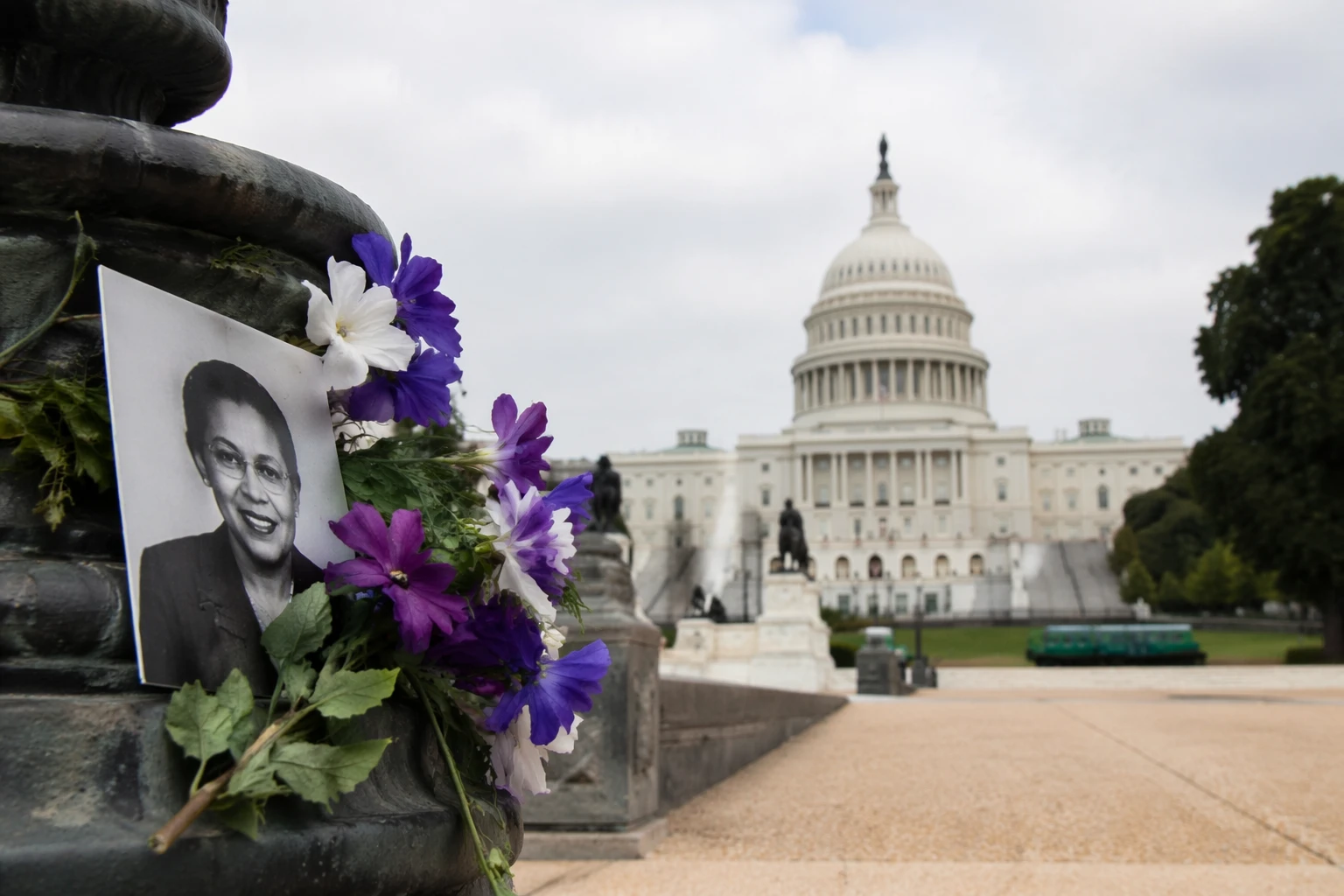
Robert White Jr. won the June 2026 Democratic primary to replace Norton and is expected to win the general election in November against Republican Denise Rosado. Brooke Pinto conceded shortly before 11 p.m. on primary night, and White quickly cast himself as the next voice for a city still fighting for self-determination. A D.C. native and fifth-generation Washingtonian, White worked as Norton’s legislative counsel from 2008 to 2014, later became the first director of community outreach for the D.C. Office of the Attorney General under Karl A. Racine, and was first elected to the D.C. Council in 2016.
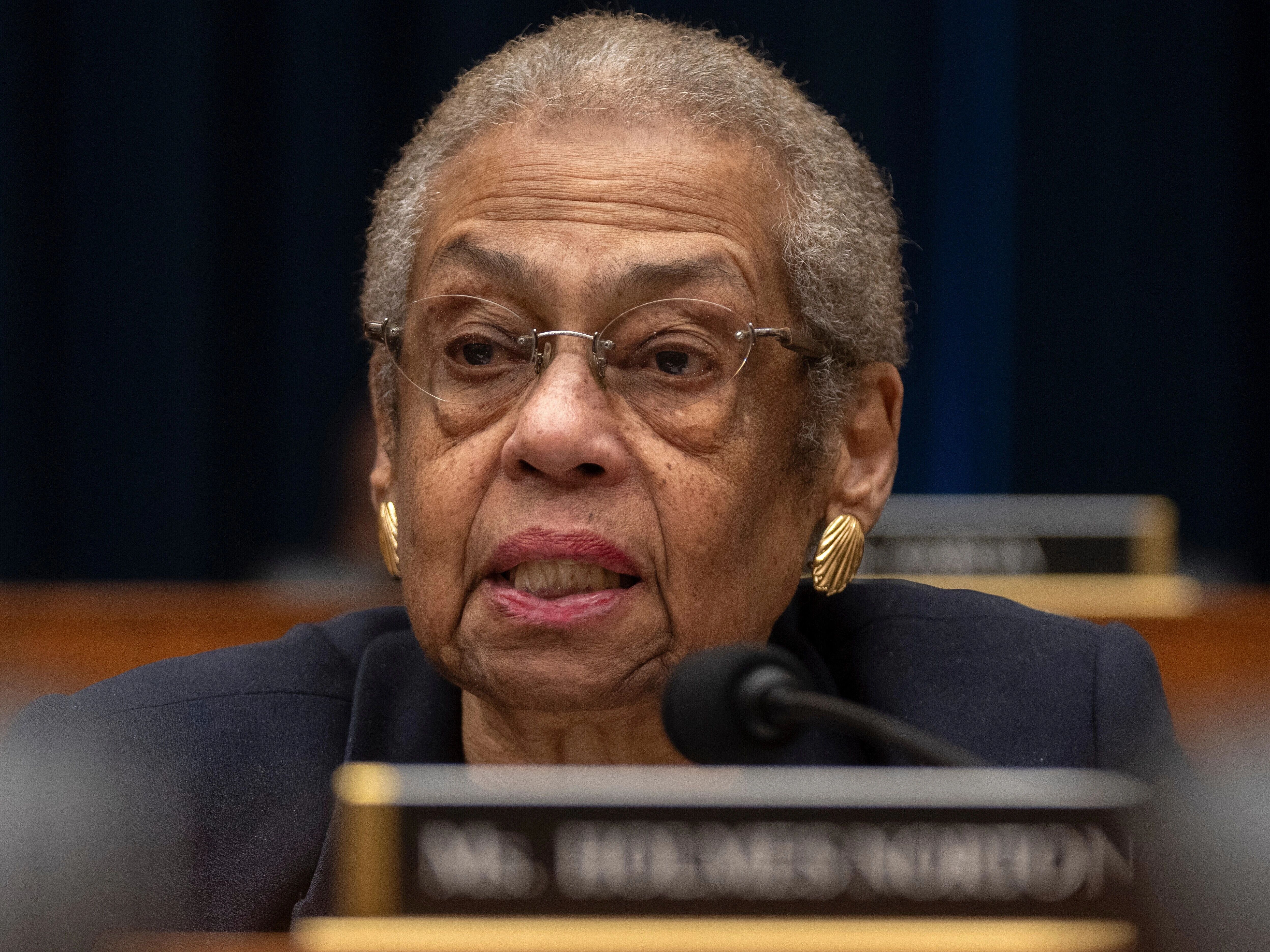
In his victory speech, White told supporters, “Our turn will never come unless we demand it,” a line that captured both the emotion of the race and the frustration of a city that still lacks full voting power in Congress. His ascent marks more than a personnel change. It signals a generational handoff from a civil rights-era figure who spent decades arguing Washington’s case on Capitol Hill to a younger local official steeped in the mechanics of city government and the language of statehood.

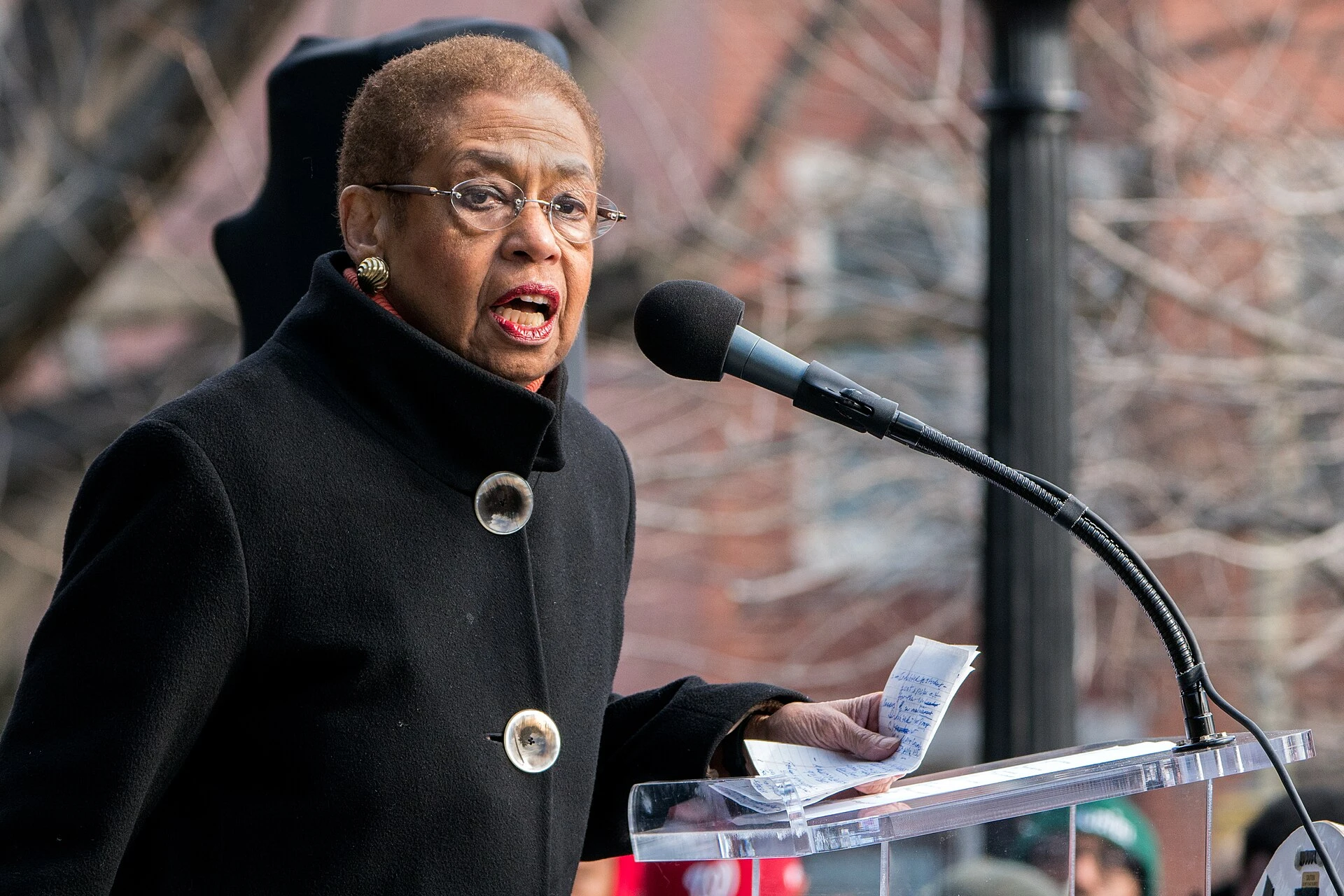
That broader fight is not over. The D.C. statehood office says the House passed the Washington, D.C. Admission Act on April 22, 2021, by a vote of 216-208, and Sen. Chris Van Hollen introduced the Senate bill for the 119th Congress with 40 colleagues in support. Norton’s departure leaves the District with a new messenger, but not a new constitutional arrangement, and the next delegate will inherit the same unresolved collision between local democracy and federal control.
Sources
- [1]usnews.com
- [2]politico.com
- [3]census.gov
- [4]congress.gov
- [5]dccouncil.gov
- [6]robertwhiteatlarge.com
- [7]nbcwashington.com
- [8]statehood.dc.gov
- [9]vanhollen.senate.gov