Politics
Washington, D.C. voters choose new mayor and delegate in ranked-choice primary
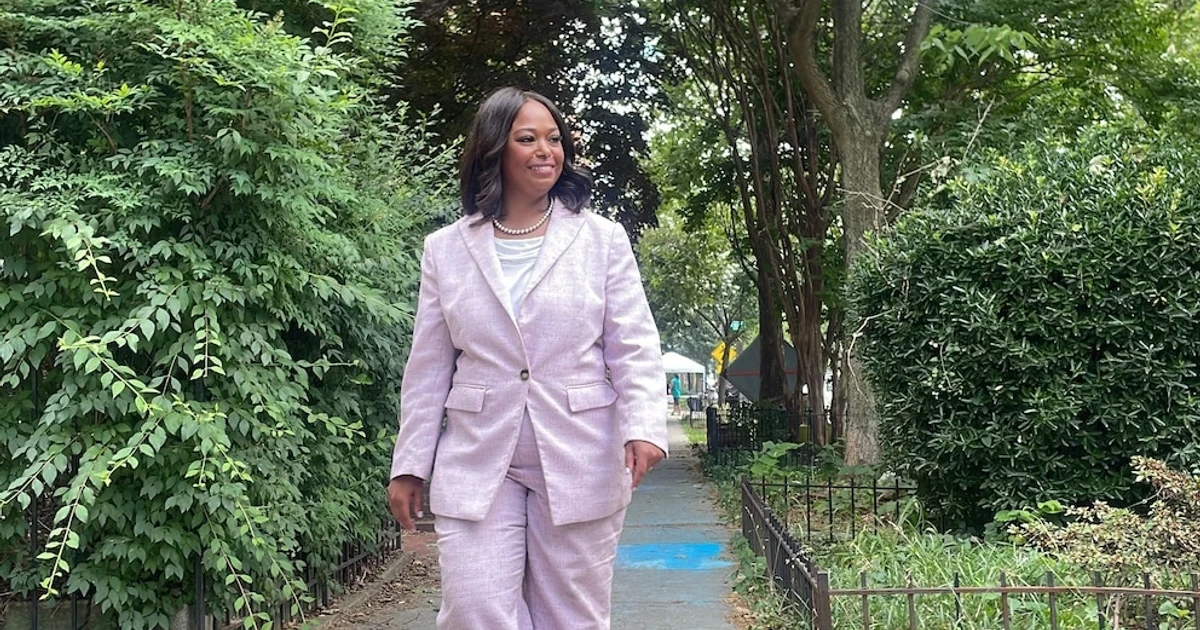
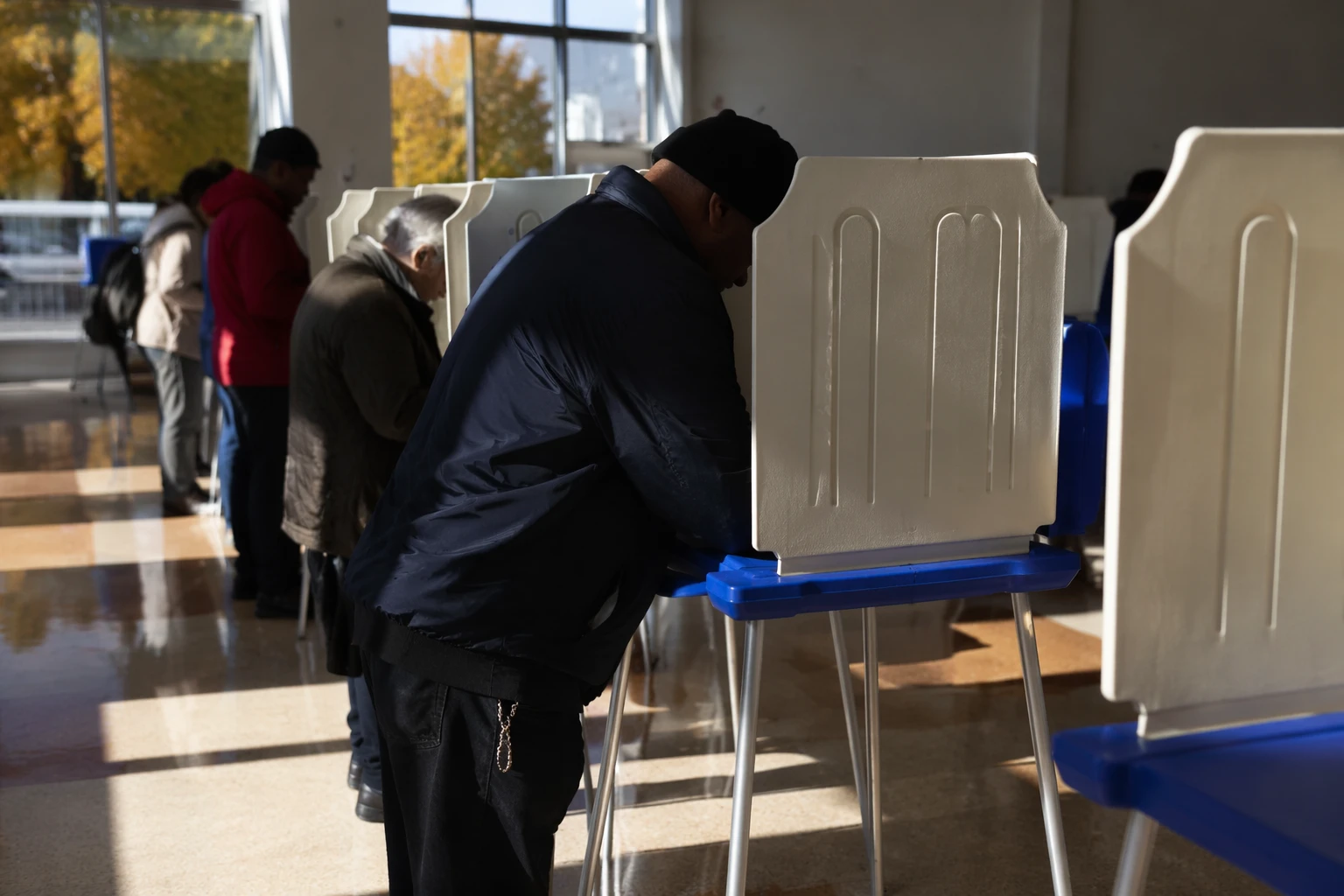
Washington voters went to the polls Tuesday to choose nominees for mayor and congressional delegate in the city’s first ranked-choice primary, a ballot that could take days to settle. For the first time in a generation, District residents were selecting a new mayor and a new delegate in the same election, as the capital faces a renewed fight over who gets to govern it.
The mayoral contest opened without Muriel Bowser, who was first elected in 2014 and is not seeking a fourth term. That left Janeese Lewis George and Kenyan McDuffie as the leading Democratic contenders in an overwhelmingly Democratic city where the primary winner is expected to be favored in November. Trump has pushed the campaign into sharper relief, recently suggesting the federal government could “take back Washington” if Lewis George wins.
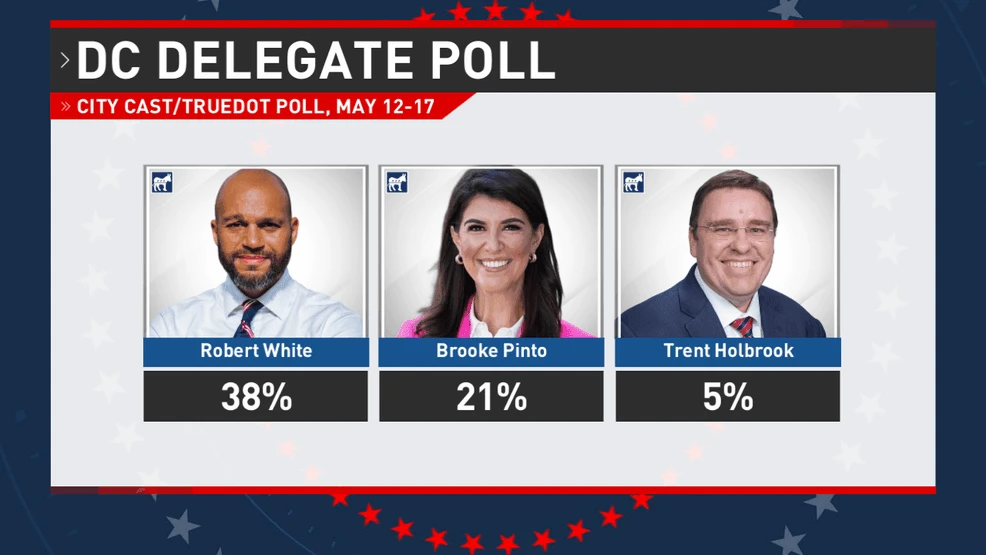
The delegate race is also in transition. Eleanor Holmes Norton is stepping down from her long-held seat, creating a rare open contest between two council members, Brooke Pinto and Robert White Jr. Republican Denise Rosado, an immigration lawyer, is running unopposed on the Republican side. With two high-profile offices changing hands at once, the primary has become a test of whether the city wants continuity, a generational reset or a sharper break from the establishment.
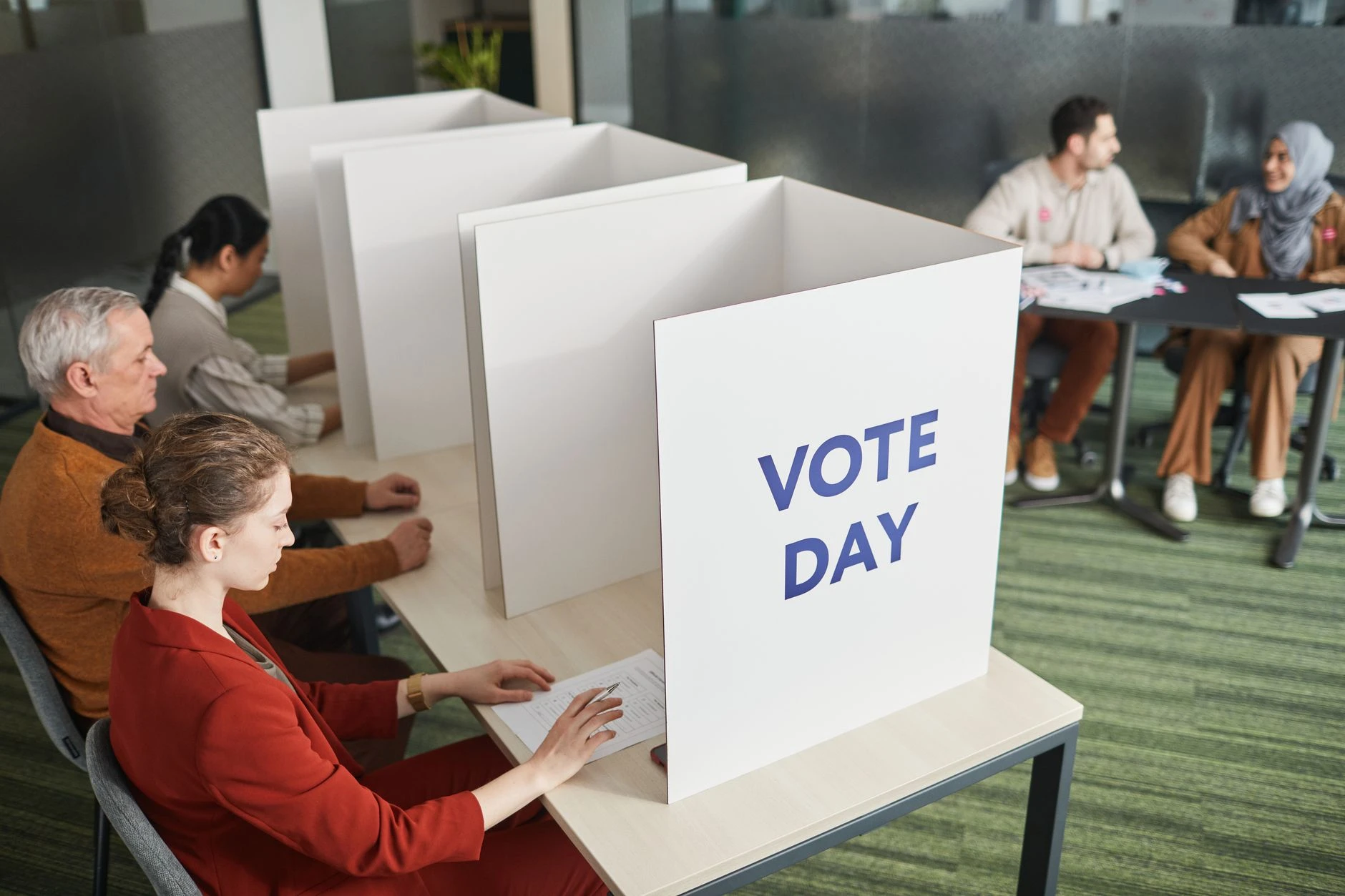
Ranked-choice voting was being used in a D.C. election for the first time, after voters approved it in 2024 and the District of Columbia Council funded it in the FY2026 budget. Under the new system, voters can rank up to five candidates in eligible contests with three or more candidates, and the District of Columbia Board of Elections said the tabulation could delay results for days. The system applies to mayor, delegate to Congress, attorney general, council chairman, council races and some other offices.
The election also unfolded against a deeper constitutional struggle. Washington has limited autonomy, while federal leaders retain substantial control over local affairs, including approval of the budget and laws passed by the D.C. Council. That tension has intensified under President Donald Trump, who returned to office in 2025, launched an open-ended federal law-enforcement surge and National Guard deployment, and moved ahead with major cuts to the federal workforce that have compounded economic pressure in a city with one of the nation’s highest unemployment rates. The vote offered an early measure of how Washington’s electorate wants to answer that pressure.
Sources
- [1]abcnews.com
- [2]wtop.com
- [3]ap.org
- [4]dcboe.org
- [5]apnews.com
- [6]wsls.com