Politics
Washington, D.C. voters choose new mayor and delegate in primary
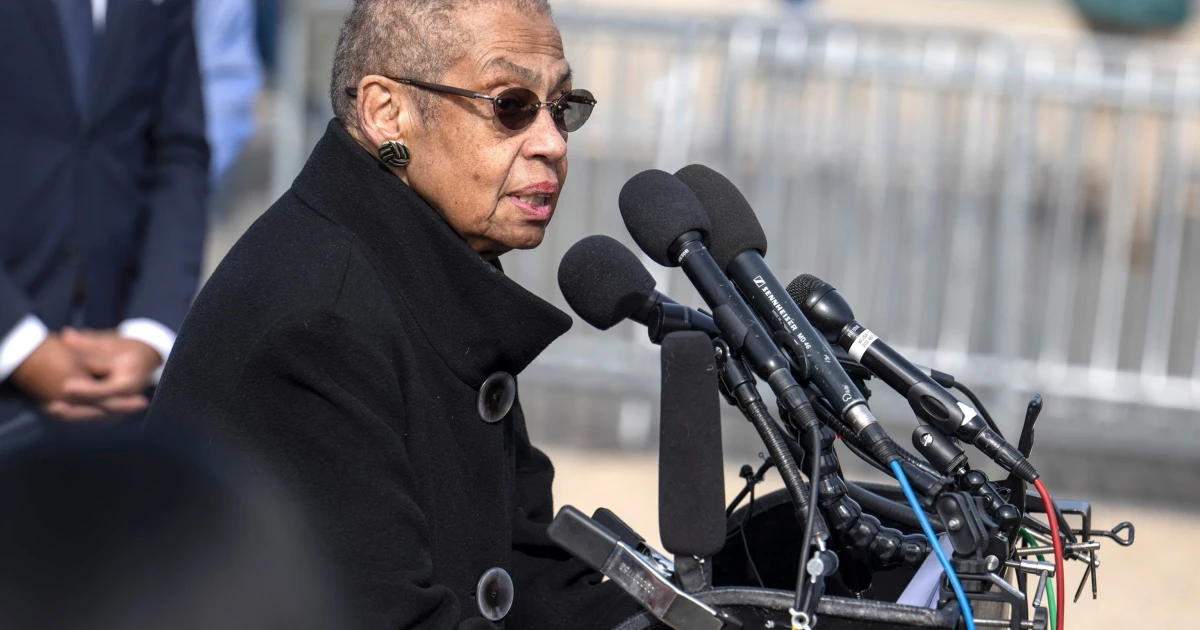
Washington’s June 16 primary became a referendum on who gets to steer the city when federal power closes in. Voters chose party nominees for mayor and the district’s delegate to Congress as Muriel Bowser and Eleanor Holmes Norton stepped aside, opening two of the city’s most consequential offices at the same time.
The mayoral race centered on Democratic front-runners Janeese Lewis George and Kenyan McDuffie, while the delegate contest drew Brooke Pinto and Robert White Jr. Republican Denise Rosado ran unopposed. With Bowser, first elected in 2014, leaving office and Norton departing after years representing the district on Capitol Hill, the ballot offered Washington residents a rare chance to reset both city leadership and the voice the district sends to the U.S. House of Representatives.
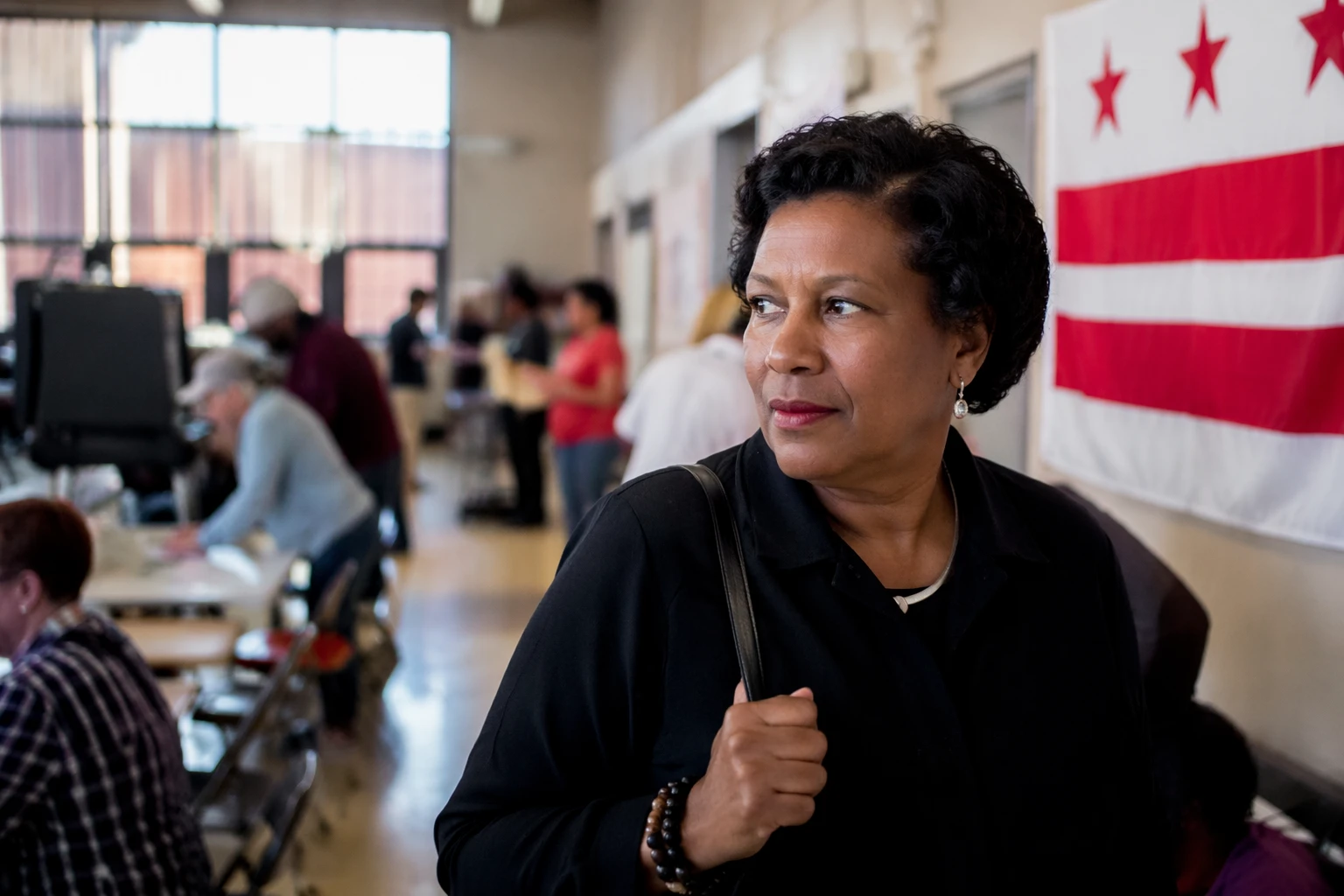
The District of Columbia Board of Elections kept voting open from 7:00 a.m. to 8:00 p.m. and allowed residents to vote at any vote center regardless of home address. Every registered voter was mailed a ballot, and the city used ranked-choice voting in eligible contests with three or more candidates for the first time. Voters approved ranked-choice voting in 2024, and the DC Council funded it in the FY2026 budget. Under the new system, a candidate can win outright with more than 50% of first-choice votes; if no one clears that mark, additional rounds of counting use ranked preferences.
That voting overhaul arrived as the city faced a sharper federal squeeze. Donald Trump’s administration has expanded law enforcement in the capital, kept an open-ended National Guard deployment in place, downsized federal agencies in ways that cost thousands of jobs, and pushed to reshape landmarks and public spaces. Trump also threatened a federal takeover of Washington if a democratic socialist candidate won, underscoring how fragile local control remains in a city that still lacks full self-rule.
The stakes reached back decades. The last time Washington residents chose a new mayor and a new delegate in the same election, George H.W. Bush was president and gas cost $1.33 a gallon. That gap captures how unusual this moment is for a city where home rule is limited, federal oversight is constant, and every local race is also a fight over who truly governs the nation’s capital.
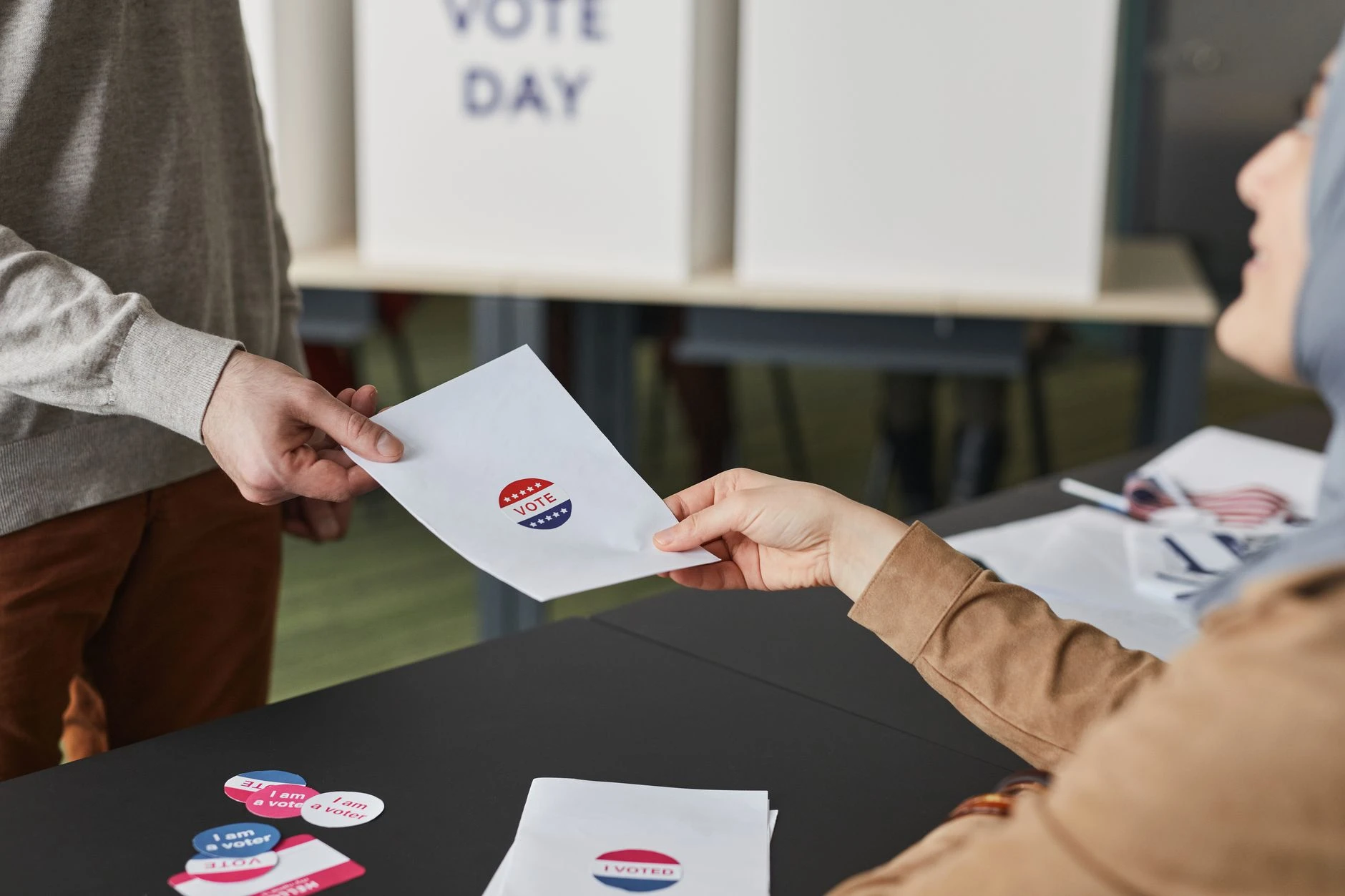
The June 16 ballot also included a special election for an at-large Council seat for non-Democratic voters, widening the field of contests on a day that showed how deeply national politics now reaches into daily governance in Washington.
Sources
- [1]apnews.com
- [2]dcboe.org
- [3]usnews.com