Technology
Waymo builds new crash model to compare robotaxis with humans
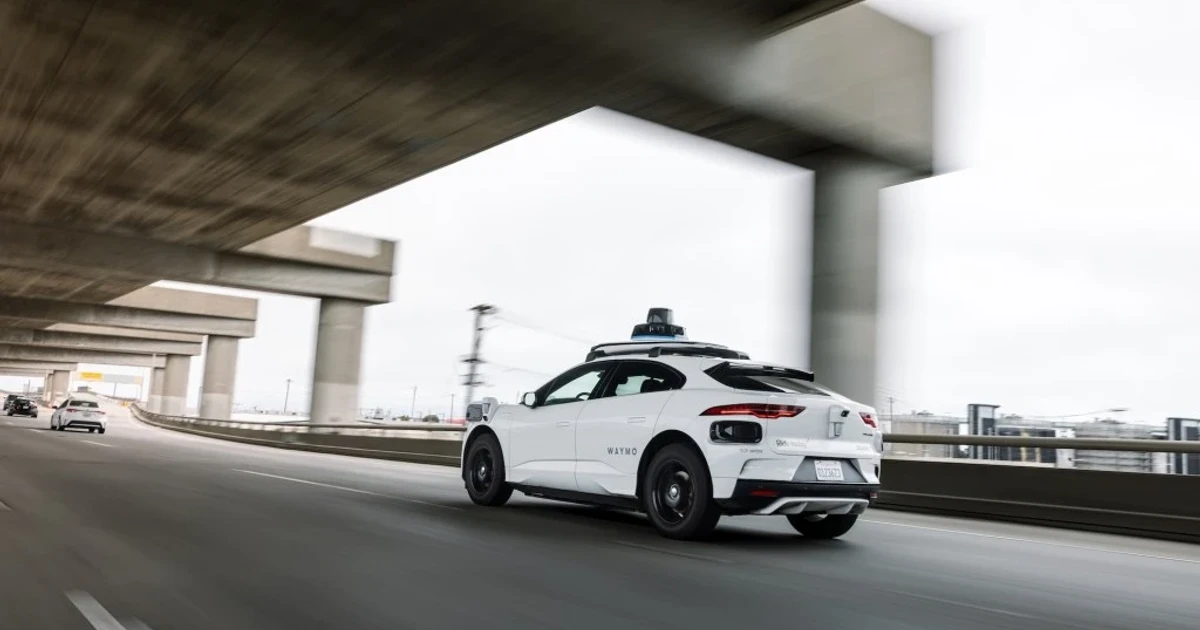
Waymo has turned the safety debate toward a more basic question: what is a fair human baseline for judging a robotaxi? The Alphabet-owned company said a new model, developed with TU Delft and published Wednesday, June 10, 2026, in Nature Communications, should better match how people behave in the split-second run-up to a crash. Waymo says the model is built on active inference, a framework that treats driving as a process of imagining possible futures and choosing the safest, most predictable path, and that it is meant to make comparisons with human drivers more accurate in rare collision scenarios.
That measurement problem has been at the center of Waymo’s safety case for years. The company’s earlier benchmark work relied on a non-impaired, always-attentive human reference model known as NIEON to evaluate response time and evasive action in reconstructed fatal collisions. Waymo has said its broader safety methodology has been in use since 2023 and now appears in its Safety Impact hub, which compares Rider-Only crash rates, meaning no human driver is in the vehicle or remotely controlling it, with human benchmarks and updates alongside NHTSA Standing General Order reporting.
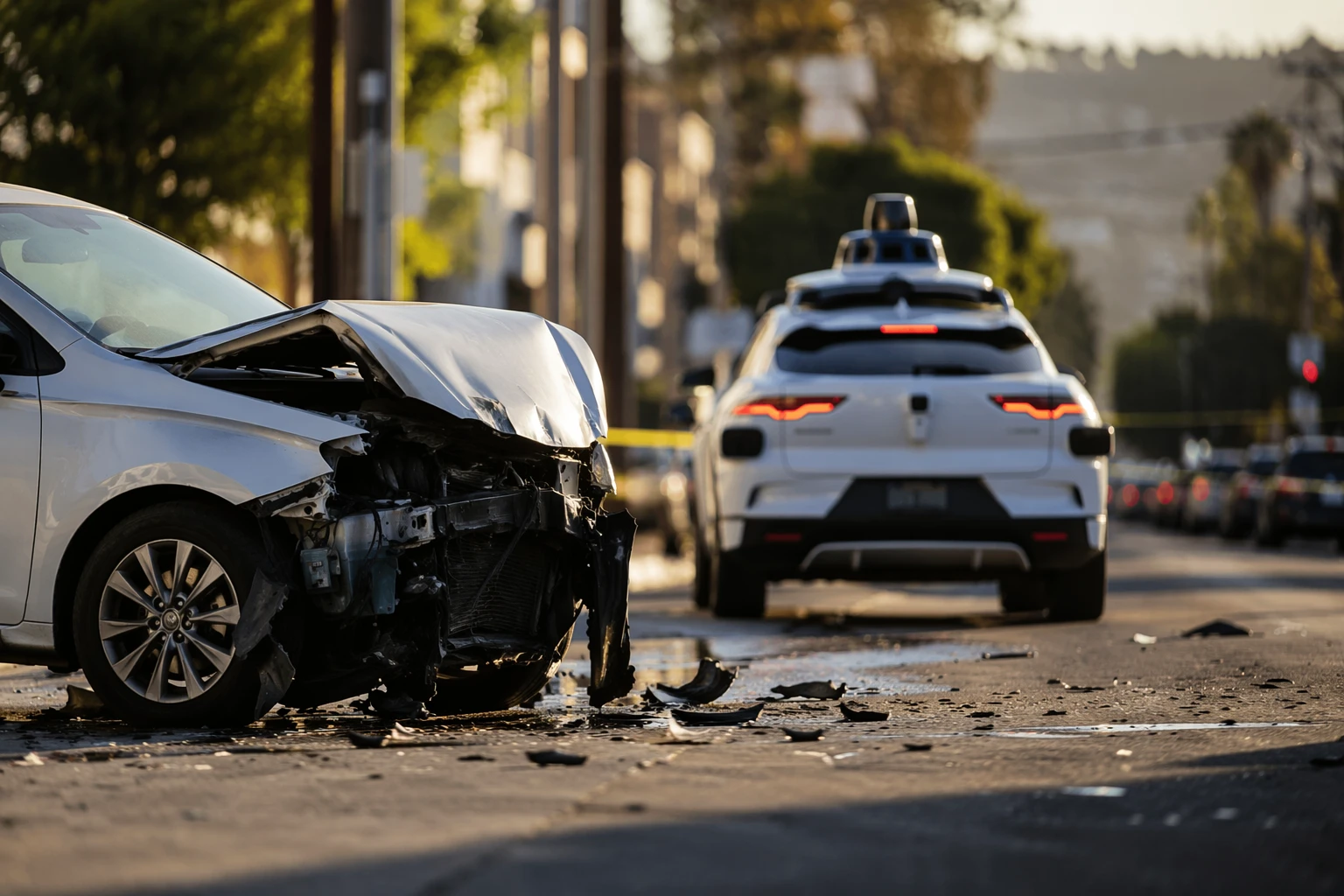
Waymo’s numbers are large enough to sharpen the argument, but they also show why the baseline matters. Through the end of October 2023, Waymo said it had logged 7.14 million fully autonomous miles and recorded 0.41 any-injury crashes per million miles versus 2.80 for human drivers, plus 2.1 police-reported crashes versus 4.68 for humans. In March 2026, the company said it had analyzed more than 170 million fully autonomous miles and claimed a 92% lower rate of serious- or fatal-injury crashes than human drivers in the same conditions. In May 2025, Waymo said a separate 56.7 million-mile study found 92% fewer pedestrian injury crashes, 82% fewer cyclist injury crashes, 82% fewer motorcyclist injury crashes, and 96% fewer injury-involving intersection crashes, while noting that serious injuries remain rare and the event counts are small.
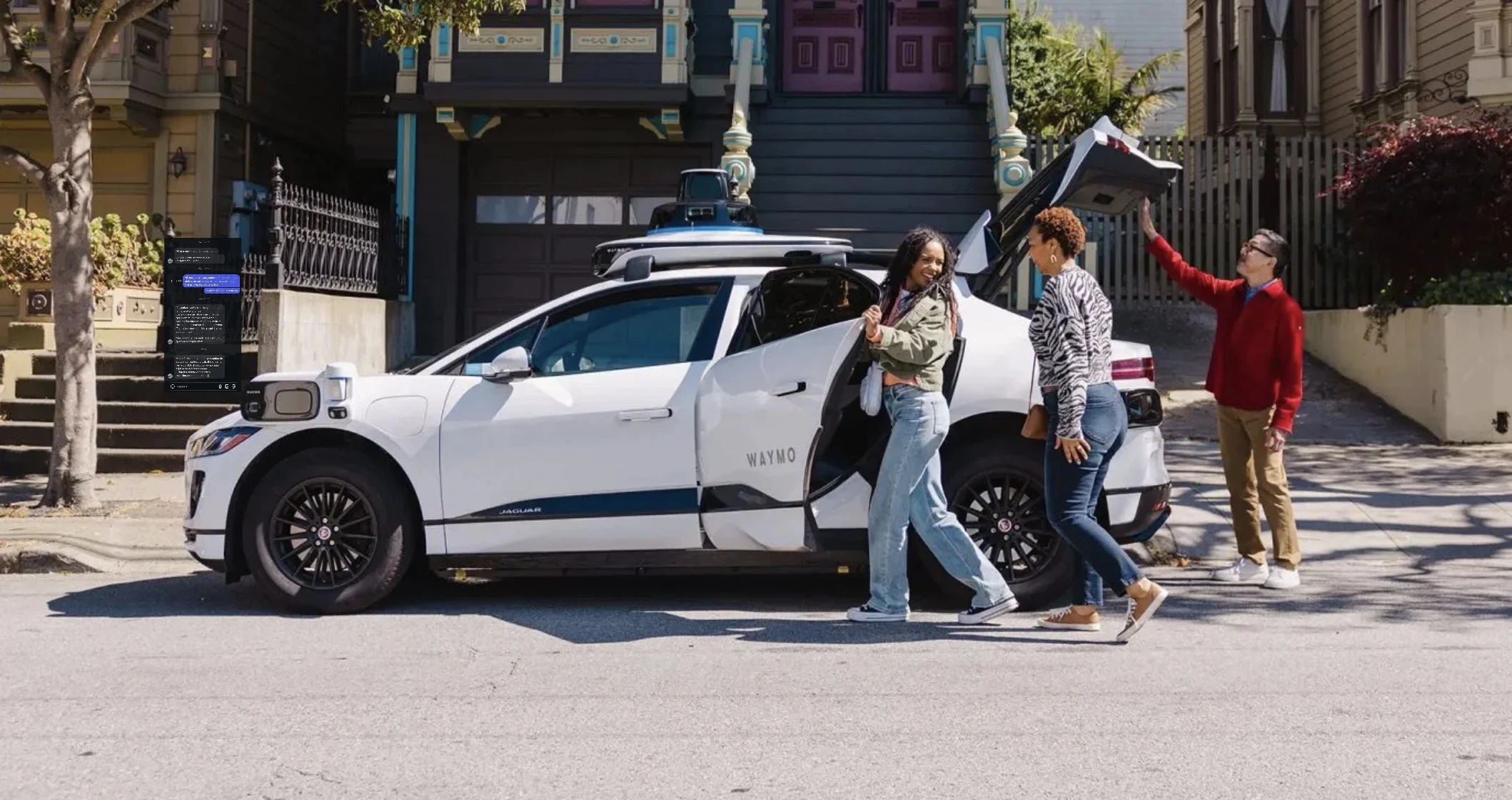
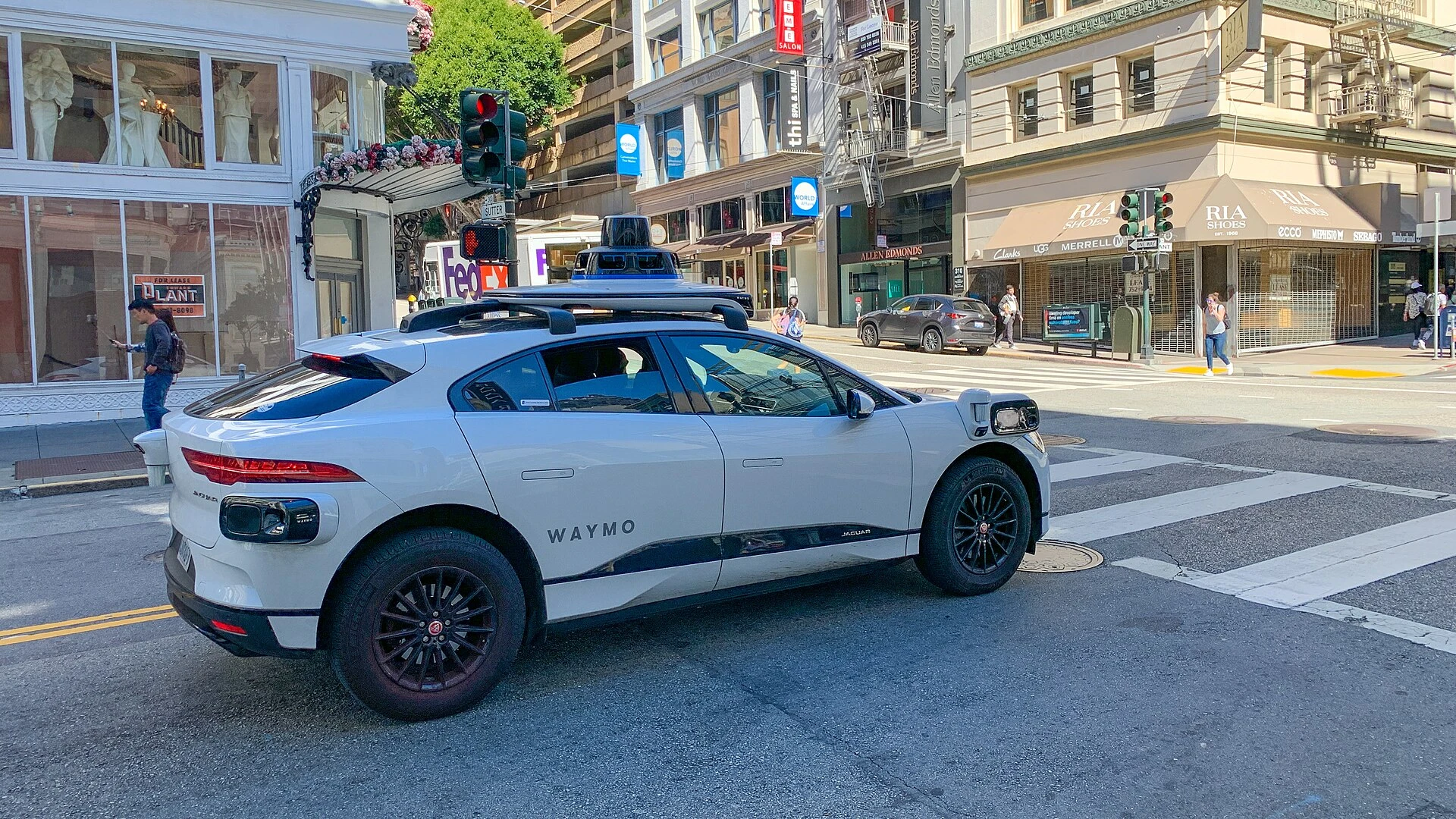
The new benchmark arrives as Waymo keeps expanding commercial service in Phoenix, San Francisco, Los Angeles, and Austin, and as its safety claims remain under scrutiny after incidents and federal investigations in 2024 and 2025. David Zuby of the Insurance Institute for Highway Safety has called Waymo’s benchmarking a good-faith effort, but the deeper fight is over whether industry-built models can credibly define public-safety standards. Waymo’s answer is that the new framework makes the comparison more robust and replicable; critics will still ask who gets to set the rulebook when the stakes are measured in rare, severe crashes.
Sources
- [1]techcrunch.com
- [2]waymo.com