Technology
Waymo expands to 15 cities as robotaxis face new road hazards
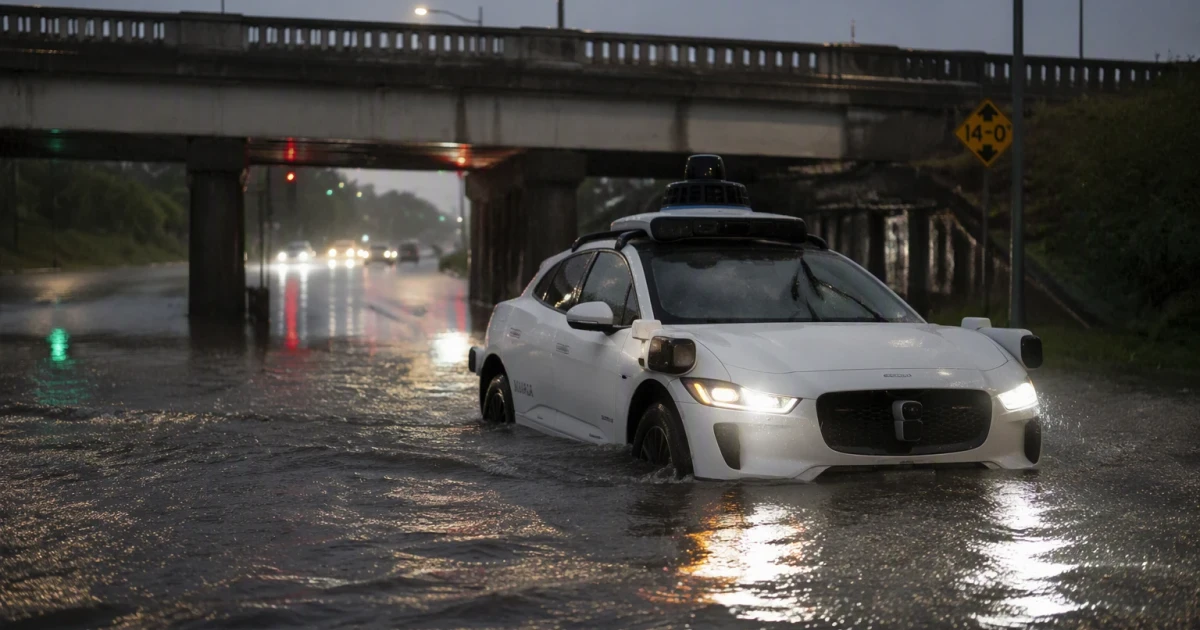
Waymo’s expansion into 15 U.S. cities and counting has turned every new launch into a test of how well driverless cars handle the odd, messy situations that do not exist in simulation. The company’s latest move added Miami, Dallas, Houston, San Antonio and Orlando, where flooded streets, blocked lanes and shifting traffic patterns are now part of the rollout as much as the rides themselves.
A July 23, 2026 study from the Insurance Institute for Highway Safety found Waymo’s driverless vehicles had crash rates 68% lower than human drivers. The same study warned that the federal system for monitoring automated vehicles needs improvement as the technology spreads, a reminder that safety gains at the mile level do not erase the long tail of rare failures that can undermine public trust.
Those failures are showing up in public records. Waymo robotaxis have run red lights, driven into closed and flooded roads, and nearly hit pedestrians. Waymo reported 38 crashes between July 2024 and February 2025, and four were deemed the fault of the driverless taxi. In May 2025, The Los Angeles Times reported that Waymo recalled more than 1,200 automated vehicles after minor crashes, after some vehicles entered freeway construction zones.
Waymo has tied its growth to manufacturing and software scale. In August 2025, the company said it was “bringing Waymo to more people, sooner,” and in November 2025 it said it was introducing fully autonomous driving in five new cities. Its safety pages describe the company as the world’s first autonomous ride-hailing service and say its mission is to be “the world’s most trusted driver.”
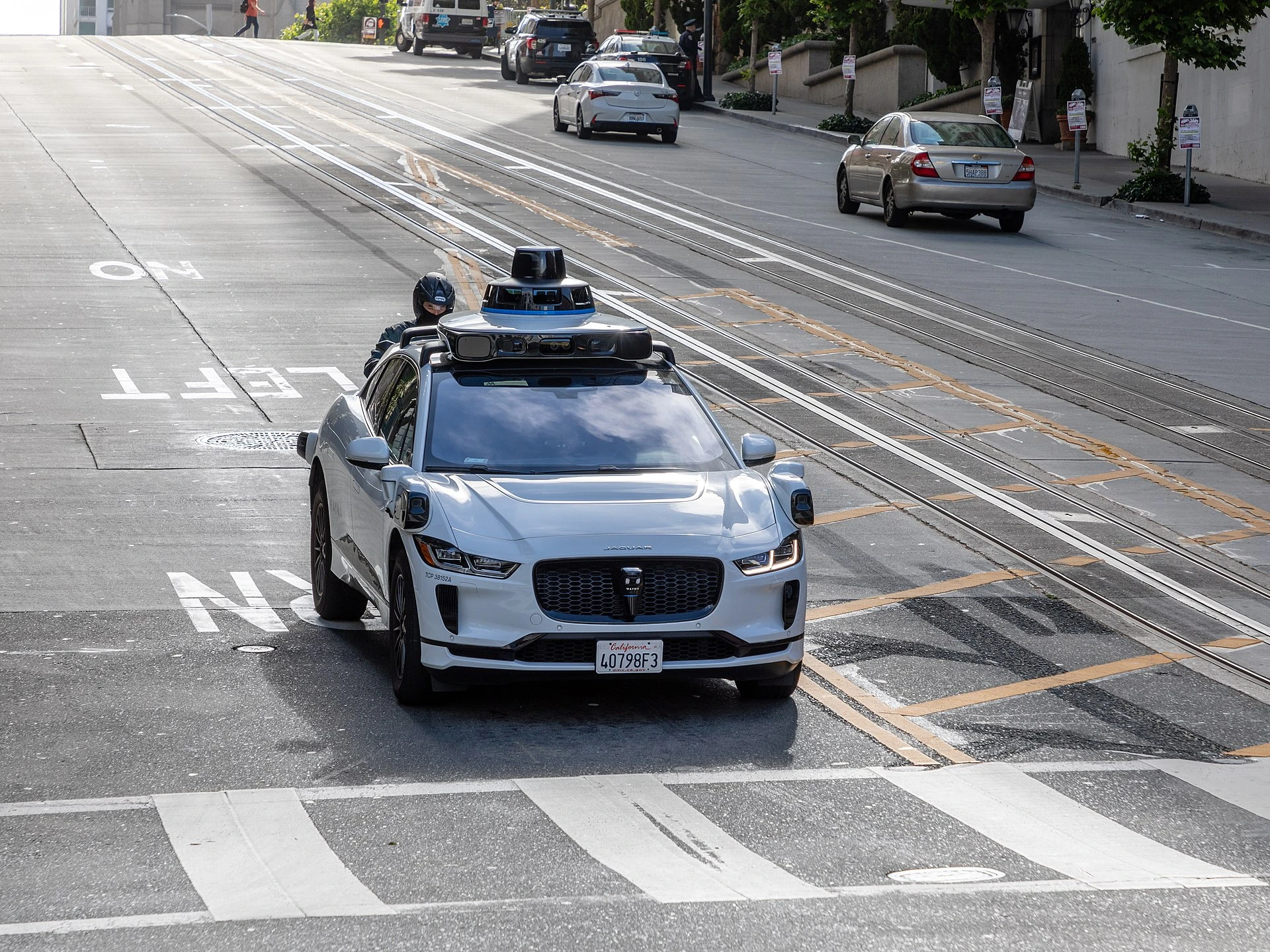
That promise has drawn sharper scrutiny as the service spreads beyond its earlier markets in San Francisco, Los Angeles and Phoenix. The International Brotherhood of Teamsters condemned a California Public Utilities Commission decision in June 2024 to greenlight Waymo expansion, saying it came amid performance concerns and a nationwide recall after a driverless collision. California regulators have since kept the pressure on: the CPUC requires quarterly reporting from autonomous-vehicle pilot programs, and a California legislative background paper said the state’s DMV updated its autonomous-vehicle regulations on April 28, 2026, adding more oversight and enforcement while allowing heavier AVs over 10,001 pounds GVWR to test and deploy on California roads.
For Waymo, the scaling problem is not just fleet size. Every added city widens the set of edge cases, from construction detours to floodwater and unpredictable human drivers, and that is now shaping how fast robotaxis can move from local novelty to national rollout.
Sources
- [1]nytimes.com
- [2]iihs.org
- [3]waymo.com
- [4]latimes.com
- [5]teamster.org
- [6]cpuc.ca.gov
- [7]atrn.assembly.ca.gov