Technology
Waymo unveils world model to simulate rare driving hazards
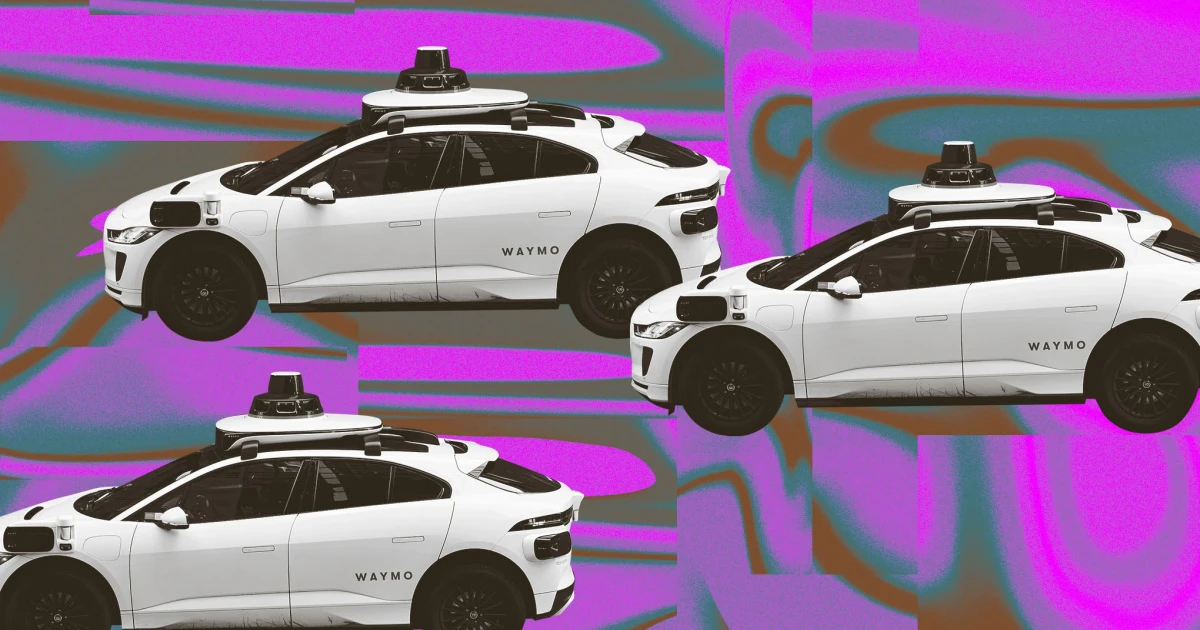
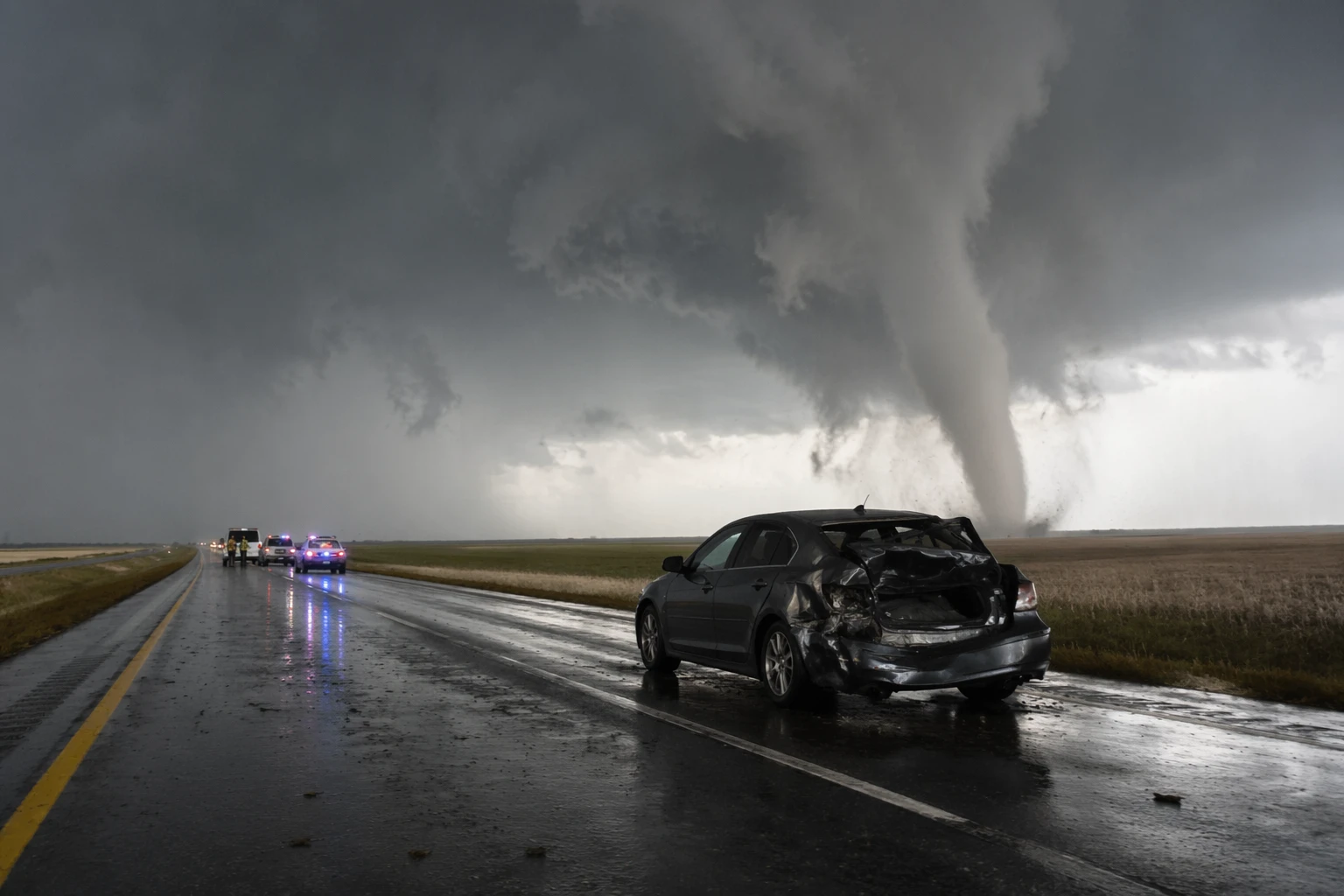
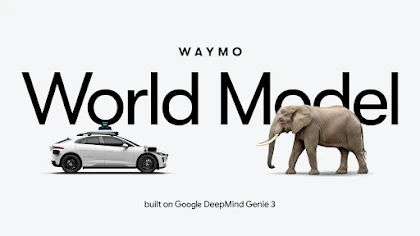
Waymo is shifting the safety debate from rule-following to anticipation, arguing that a robotaxi must do more than stay in lane or brake on cue. The company says its new World Model, built on Google DeepMind’s Genie 3, can generate realistic camera and lidar scenes for rare events, from tornadoes to an elephant crossing the road, as part of its push for “demonstrably safe AI.”
The new paper, published in Nature Communications, adds a different layer to that argument. Working with TU Delft, Waymo described a cognitive model called the Reference Driver that uses an active-inference framework to simulate the “surprise” a careful human driver feels when traffic suddenly turns risky. Waymo says that matters because the company’s earlier testing found standard lab response-time benchmarks can miss the urgency of real driving, especially when a conflict develops too fast or too slowly for a scripted test to capture.
That distinction is more than academic. In February 2026, Waymo said its Driver had traveled nearly 200 million fully autonomous miles, while in March 2026 it said the fleet had surpassed 170 million fully autonomous miles and was involved in 92% fewer serious-or-fatal injury crashes than human drivers in the same conditions. The company says the World Model and Reference Driver are meant to add billions more miles of virtual validation before vehicles encounter those scenarios on public roads, and to give Waymo a more accurate benchmark than models that mostly capture last-second braking or swerving.
The policy question is whether that kind of simulation should count as proof, or only as preparation. That is especially urgent after a January 2026 Santa Monica crash in which a Waymo robotaxi hit a child near a school at 6 mph after decelerating from 17 mph, an incident still under investigation by the National Highway Traffic Safety Administration and the National Transportation Safety Board. For families, school zones and other crowded streets, the central issue is not whether autonomous vehicles can handle polished test cases, but whether they can recognize the split-second confusion, hesitation and panic that real people bring to the road.
Waymo’s own research suggests it understands the stakes. The company has said there is no universally accepted standard for autonomous-driving safety, which is why it keeps publishing work on response timing, collision avoidance and surprising road-user behavior. The Reference Driver pushes that effort into a harder question now facing regulators and the public: when an AI can imitate human “surprise” in simulation, how much of that simulation should count before a city grants the car more room to operate on its streets?