Technology
Waymo's nationwide robotaxi rollout stalls amid city and state resistance
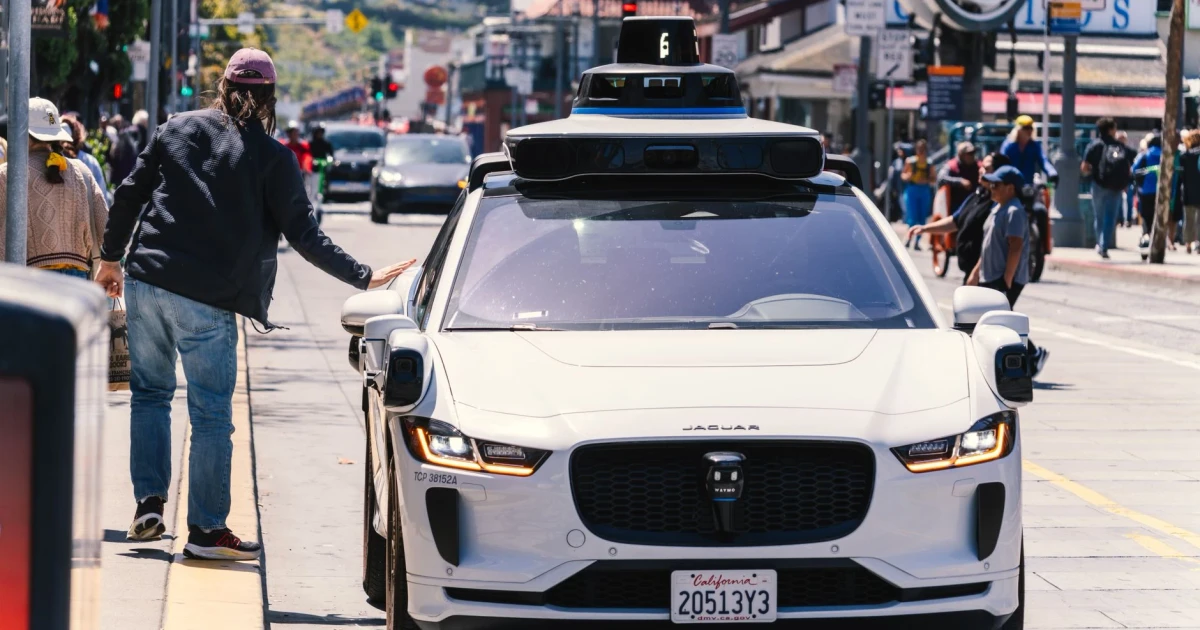
Waymo’s push to turn robotaxis into a national service is running into a familiar American obstacle: city halls and state regulators. The Alphabet-owned company says it is moving toward service in more than 20 cities and has logged over 200 million fully autonomous miles, but the path from test fleet to everyday transit still depends on local approval, neighborhood tolerance and public trust.
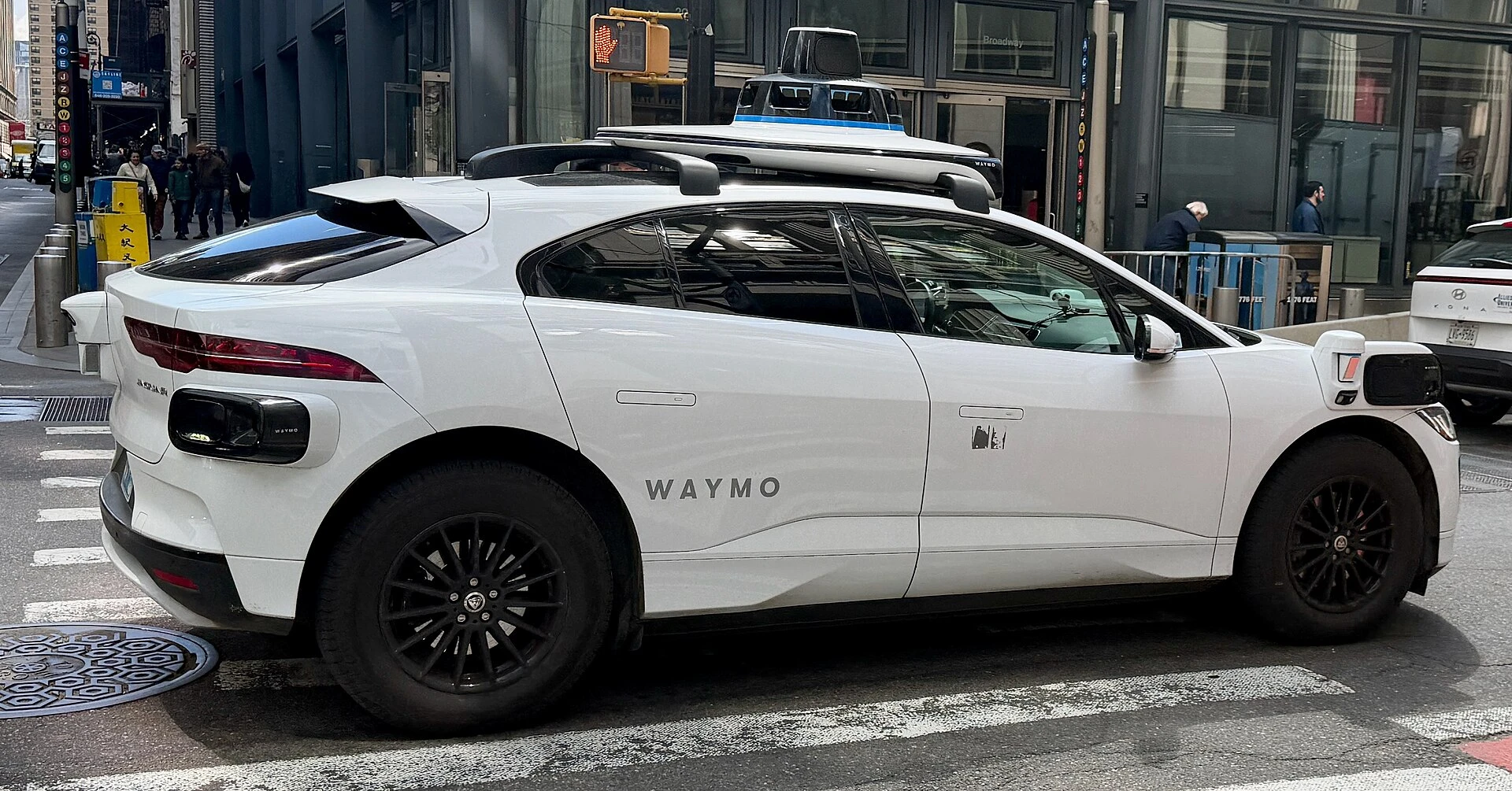
The contrast is sharpest in New York. On August 22, 2025, the city approved Waymo’s first permit to test autonomous vehicles in Manhattan and Downtown Brooklyn, but only under strict conditions, including a trained safety specialist behind the wheel at all times. City rules also require autonomous vehicles used in for-hire service to comply with Taxi and Limousine Commission licensing requirements, a reminder that the largest U.S. markets can slow deployment even when they do not block it outright.
California shows the same pattern in a different form. The state Department of Motor Vehicles continues to control where Waymo can test and deploy driverless vehicles through permit rules and approved operating boundaries, making state and local regulators central to the company’s California operations. That framework leaves Waymo with a patchwork of permissions rather than a seamless statewide network, even in the market where autonomous vehicles have been most visible.

Waymo is still pressing ahead. In November 2025, the company said it was introducing fully autonomous driving in Miami, Dallas, Houston, San Antonio and Orlando, and described the expansion as routine. It also said it was on track to serve more than one million rides per week by the end of 2025. Those numbers show real scale, but they also underscore how much of the country remains outside the service area as city-by-city negotiations drag on.
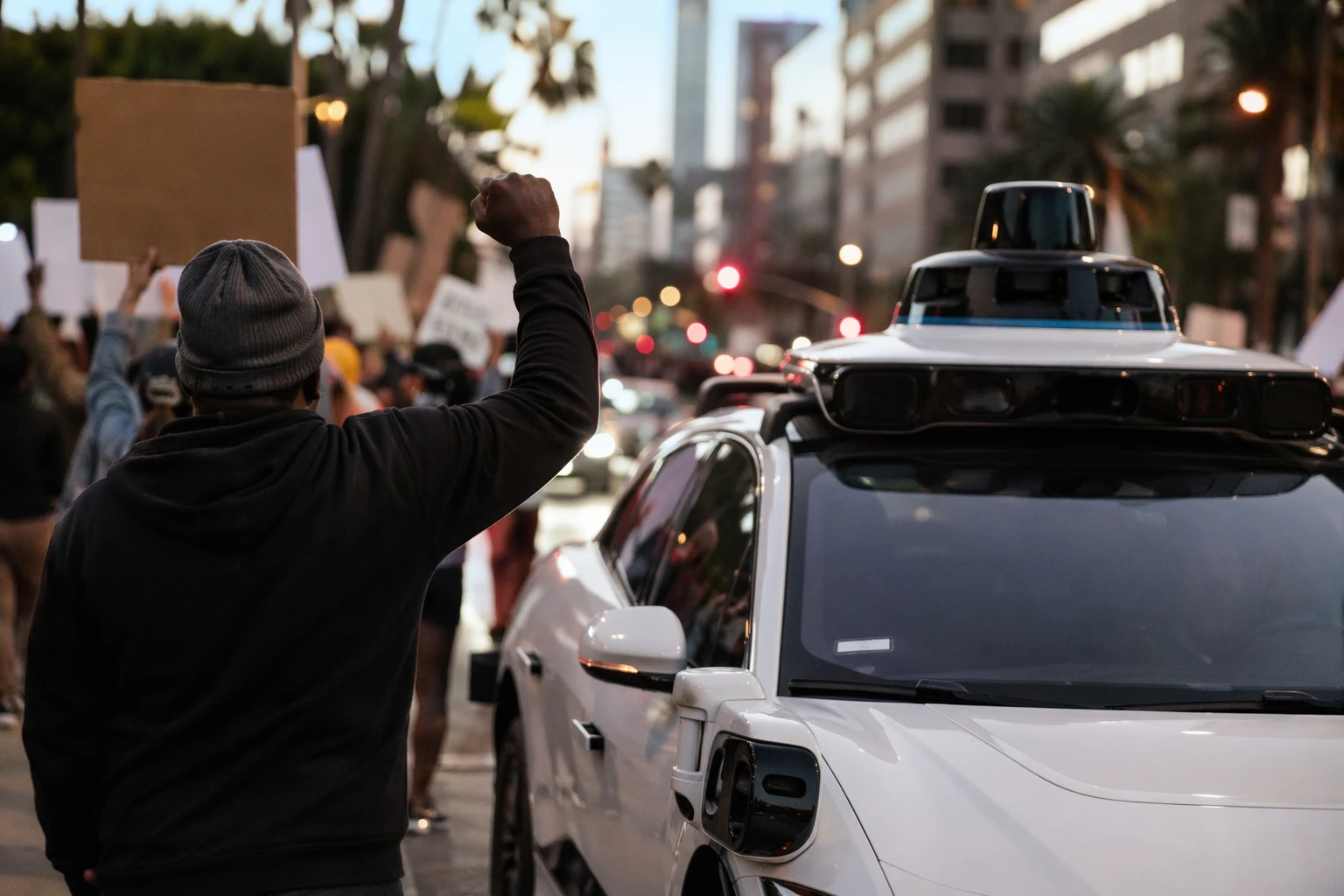
The political sensitivity has not been abstract. In San Francisco, bicyclists complained after a Waymo parked in a bike lane, and in Los Angeles several Waymo vehicles were burned and vandalized during protests in June 2025. For cities weighing congestion, labor concerns, safety and public trust, the promise of lower crash rates and greater mobility is not enough on its own. Waymo may be moving faster than ever, but the national rollout is still being decided one permit, one lane and one council chamber at a time.
Sources
- [1]nytimes.com
- [2]waymo.com
- [3]nyc.gov
- [4]dmv.ca.gov
- [5]time.com
- [6]usatoday.com