Technology
Wayve draws investor backing as it pushes humanlike self-driving AI
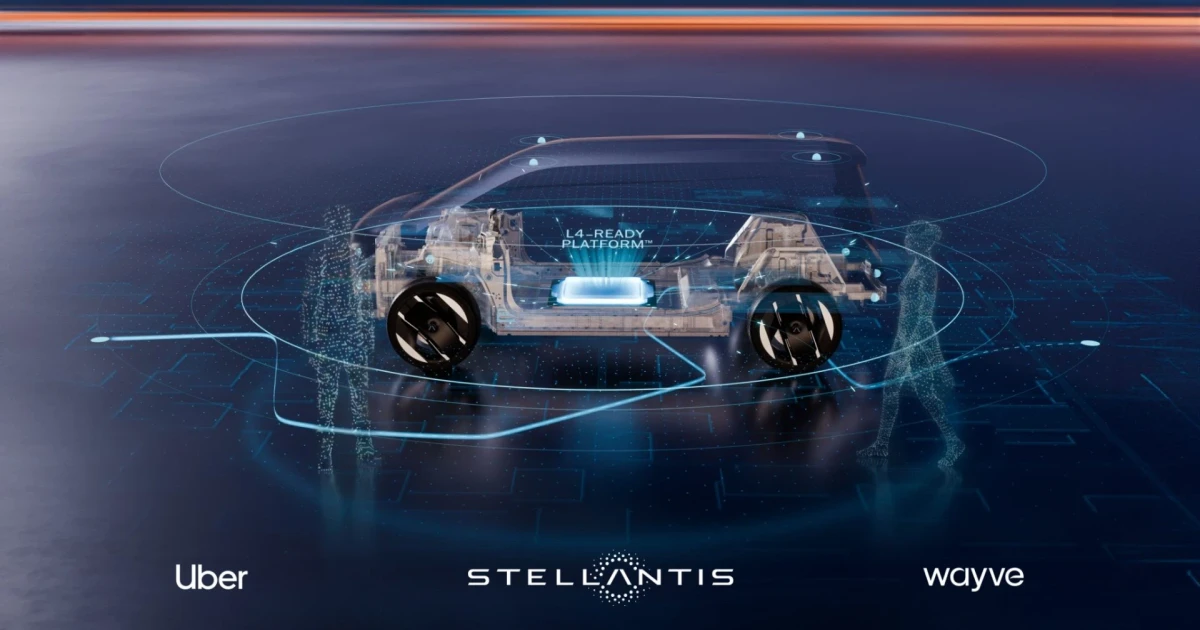
Wayve deepened its push into driverless cars when Stellantis and Uber said they would jointly explore Level 4 robotaxis at global scale. The June 17 partnership built on earlier work between Stellantis and Wayve on L2++ systems and on Wayve’s plan with Uber to deploy autonomous rides in London, Tokyo and ten other cities.
The London-based startup has become one of the most closely watched bets in self-driving technology after saying in February that it raised $1.2 billion in Series D funding and reached an $8.6 billion post-money valuation. Backers include Nvidia, Mercedes-Benz and Nissan, a mix that shows how much automakers and chipmakers are willing to wager on a system that tries to learn driving more like a human and less like a hand-coded machine.
Wayve’s core argument is that its end-to-end machine-learning approach can turn sensor data directly into driving decisions, instead of relying on a fixed stack of software rules and high-definition maps. The company says that design lets the system react more fluidly to unexpected events and, in principle, work across a wide range of sensors and AI chips rather than one camera-only setup. Chief executive Alex Kendall, who co-founded Wayve in 2017 after completing a doctorate in AI deep learning at Cambridge University, has said that flexibility could let the company license its technology to almost any vehicle brand or driverless-car developer.
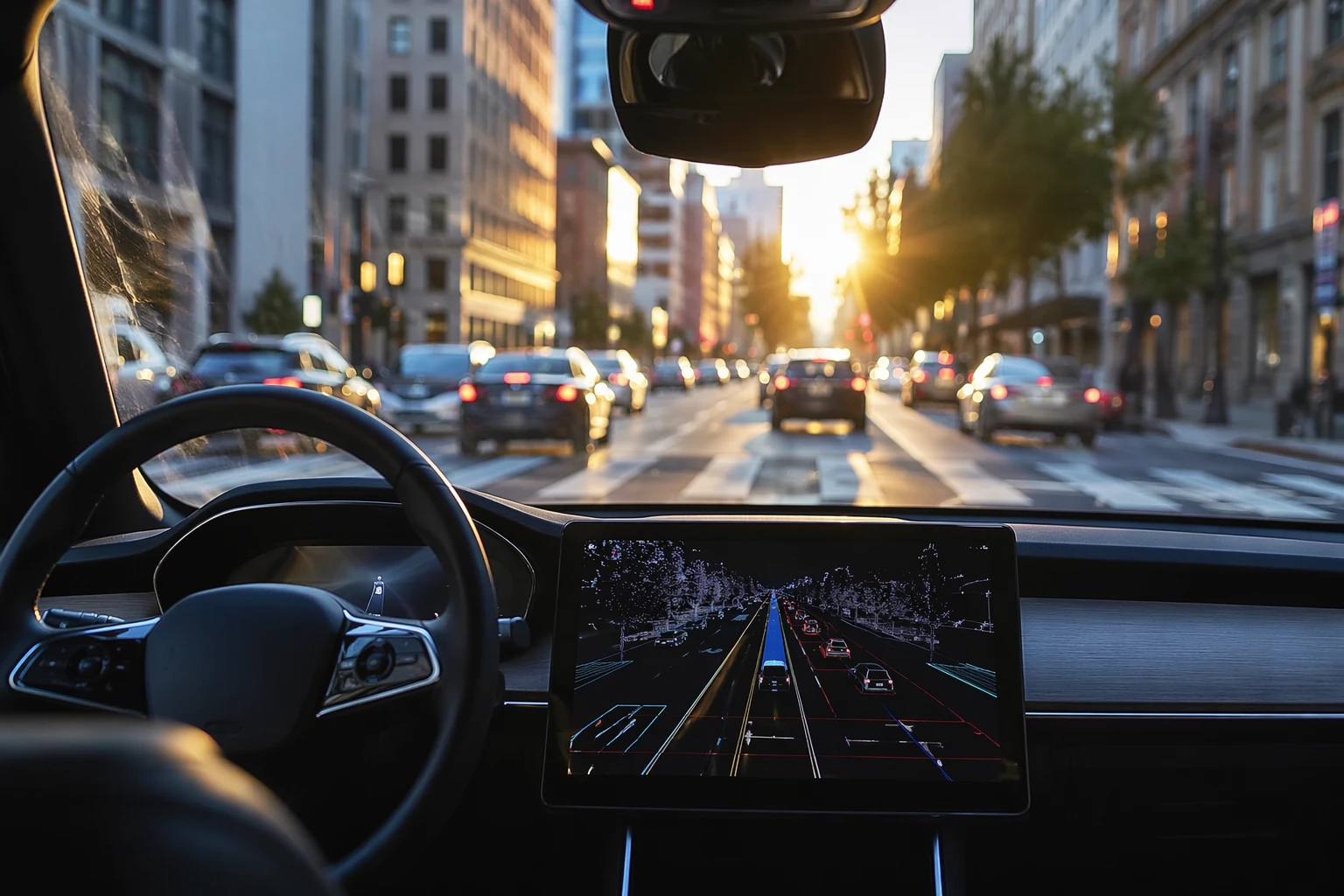
The company has paired that pitch with a series of scale claims. In 2025, Wayve said its AI-500 Roadshow drove in 90 cities in 90 days without retraining. It later said its AI Driver software had operated in 506 cities worldwide, moving past a 500-city target. In its February funding announcement, Wayve said it had achieved zero-shot driving in more than 500 cities across Europe, North America and Japan in a single year. Wayve also said testing in Japan produced a twofold performance improvement after one month using 1% locally collected data, then held consistent performance after three months with 2% Japan data.
That evidence is landing in a market that is still defining what counts as acceptable autonomy. Alphabet’s Waymo has expanded paid rides to the public in several U.S. cities, opening service in Dallas, Houston, San Antonio and Orlando in February and bringing its total commercial metro areas to 10 at that point; a later update put it at 11 U.S. cities. Wayve’s challenge is bigger than investor enthusiasm. Its decision-making is difficult to interpret, creating a black-box problem for companies, regulators and the public that could shape whether end-to-end AI is judged safer, more scalable and ultimately ready for real-world deployment.
Sources
- [1]money.usnews.com
- [2]wayve.ai
- [3]stellantis.com
- [4]waymo.com
- [5]9to5google.com
- [6]cam.ac.uk