Technology
Wayward SpaceX rocket stage slams into the Moon's surface
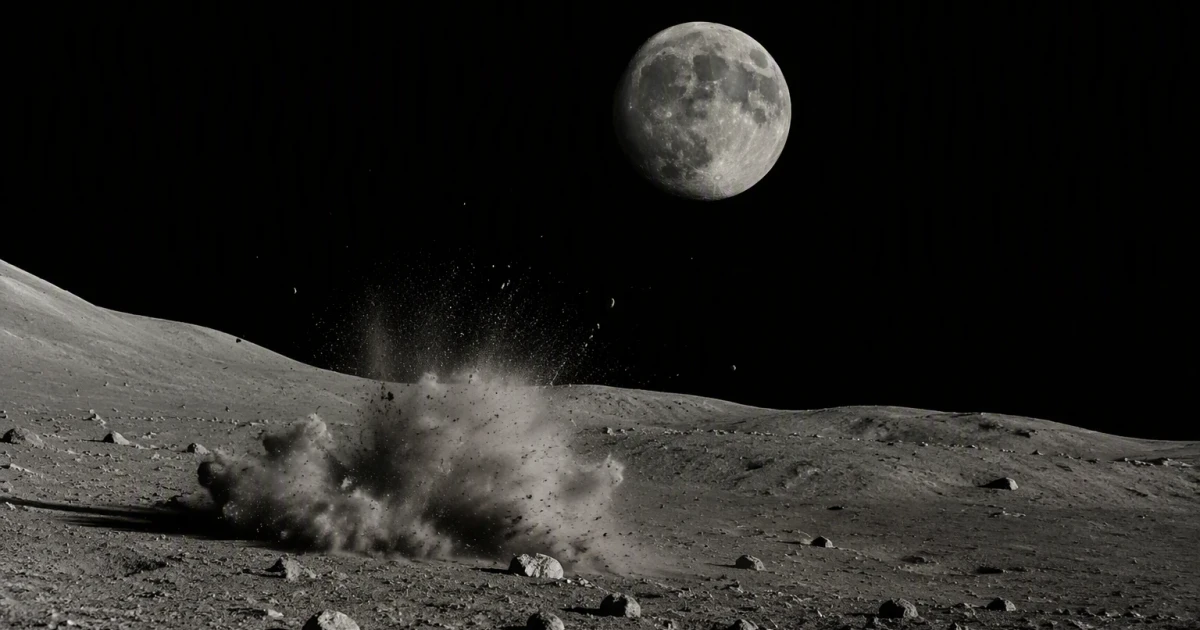
A defunct 8,800-pound SpaceX Falcon 9 upper stage slammed into the Moon near Einstein Crater very early Wednesday, striking the lunar surface at about 5,400 mph. The collision was expected at about 2:34 to 2:35 a.m. ET, or roughly 06:35 UTC, on the Moon’s Earth-facing side.
The stage launched in January 2025 to send two private robotic lunar landers toward the Moon, then drifted in space for more than a year after its mission ended. Once the hardware was left in an uncontrolled moon-crossing orbit, it became another piece of cislunar debris with no active crew or propulsion reserve.
Estimates put the impact crater at about 16 feet deep to roughly 27 meters across. A dust plume could rise high enough to be seen for several minutes through sensitive telescopes, though not with the naked eye. NASA’s Lunar Reconnaissance Orbiter was set to photograph the site afterward to confirm the crater, and South Korea’s Danuri orbiter was watching.
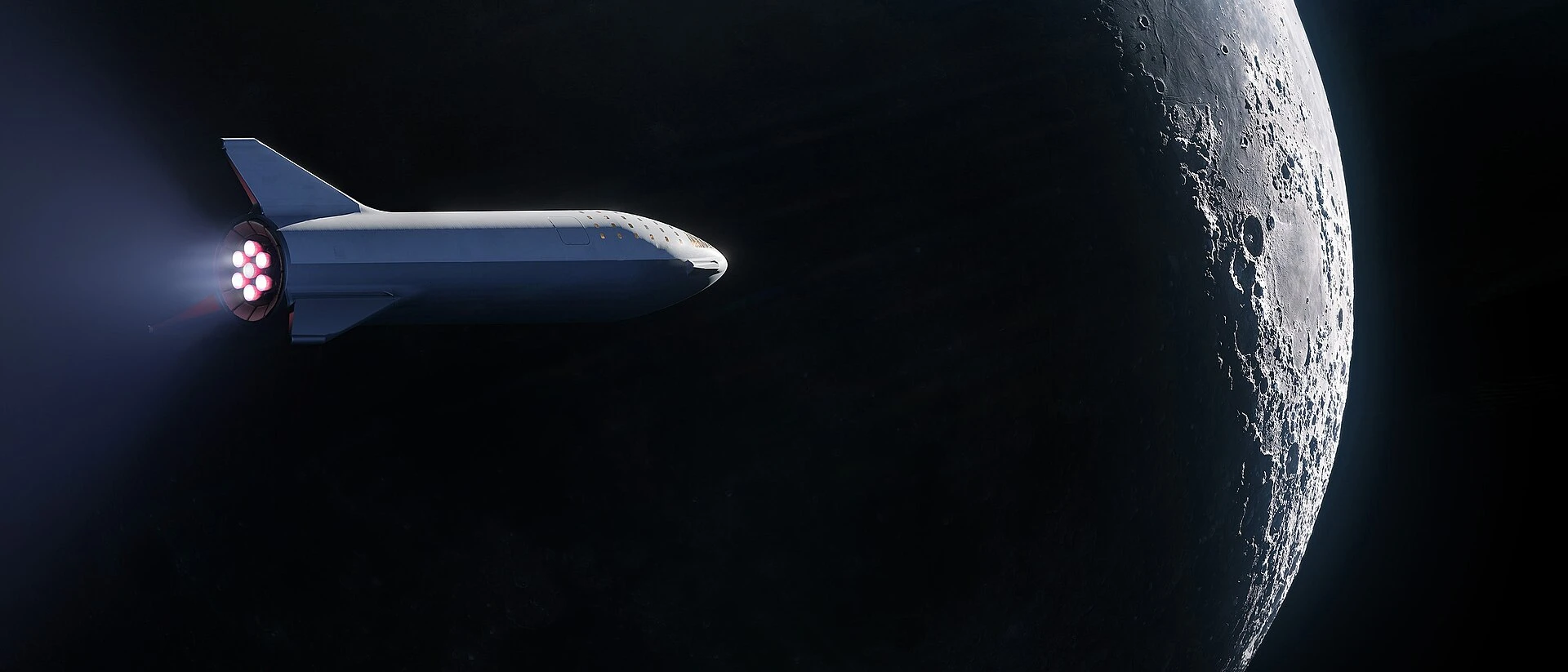
The object’s identity was not immediately straightforward because it was not a functioning spacecraft sending back clean, continuous status data. Astronomers had to connect the incoming body to its January 2025 launch history and orbital path. It was only the second known time a rocket had unintentionally hit the Moon.
SpaceX launched the hardware, but once the upper stage finished pushing the two landers on their way, it became abandoned debris moving through a domain with growing traffic and far thinner tracking rules than those used near Earth. The Moon’s neighborhood is now crowded with commercial landers, government spacecraft and spent rocket stages.
Sources
- [1]cbsnews.com
- [2]abcnews.com
- [3]reuters.com
- [4]npr.org
- [5]nasa.gov
- [6]bbc.com
- [7]cnn.com
- [8]time.com
- [9]nytimes.com
- [10]theweathernetwork.com