Technology
Waze adds AI motorcycle mode and less chatty navigation prompts
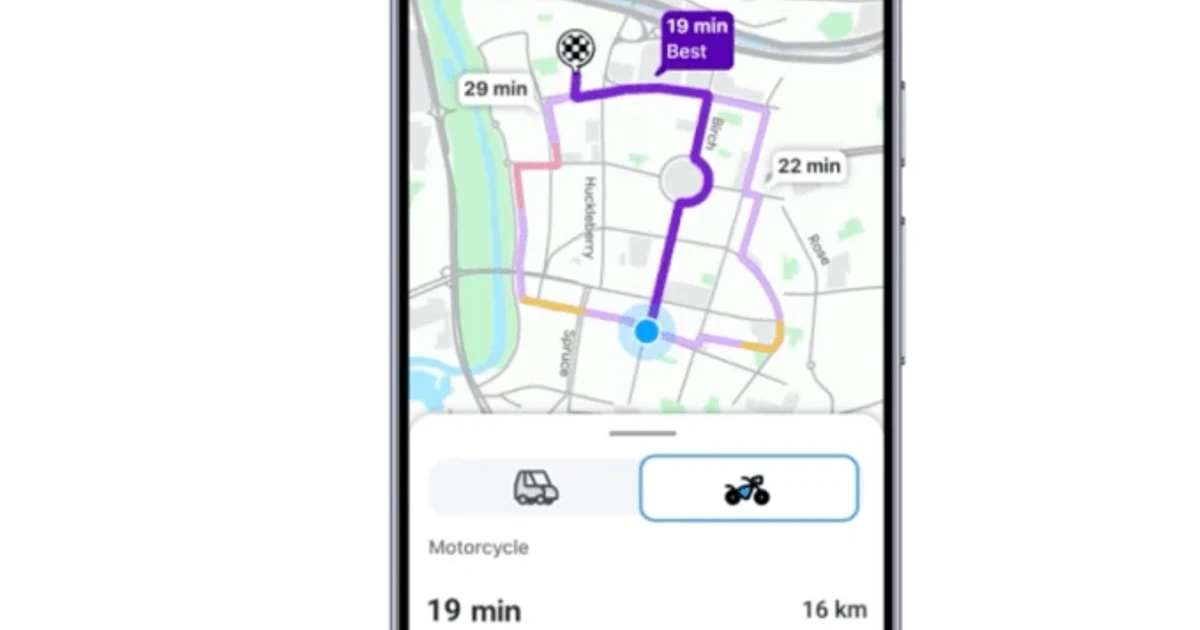
Waze rolled out a new motorcycle mode, a less chatty navigation setting and expanded conversational reporting on July 13, 2026, in a push to make Gemini feel useful in everyday driving instead of just prominently branded. The update also sharpened Waze’s pitch against rivals such as Apple Maps, with features aimed at common frustrations on the road: too many spoken prompts, routes that ignore two-wheeler realities and slow map corrections.
Motorcycle mode is now rolling out on Android and iOS in Argentina, Brazil, Colombia, Malaysia, Mexico, Peru and the Philippines. Waze said the feature uses AI to account for two-wheeler shortcuts and restrictions, while also flagging hazards that matter more on a bike, including potholes, speed bumps, raised crosswalks, shoulder endings and narrow bridges. The company is pairing the mode with a dedicated group of motorcycle map editors, a sign that human review still sits inside the product even as Gemini takes on more of the routing logic.

Personalized navigation is rolling out globally on Android and iOS, and Waze said it will suggest routes based on a user’s previous trips alongside its hyperlocal traffic data. The company added that people can turn personalization off in settings, an important control for drivers who want the app to adapt without becoming too predictive. The same balancing act appears in less chatty mode, which is also rolling out globally on Android and iOS. It reduces the frequency and length of voice prompts, but still keeps the alerts that matter most, including warnings about hazards, turns and lane changes.
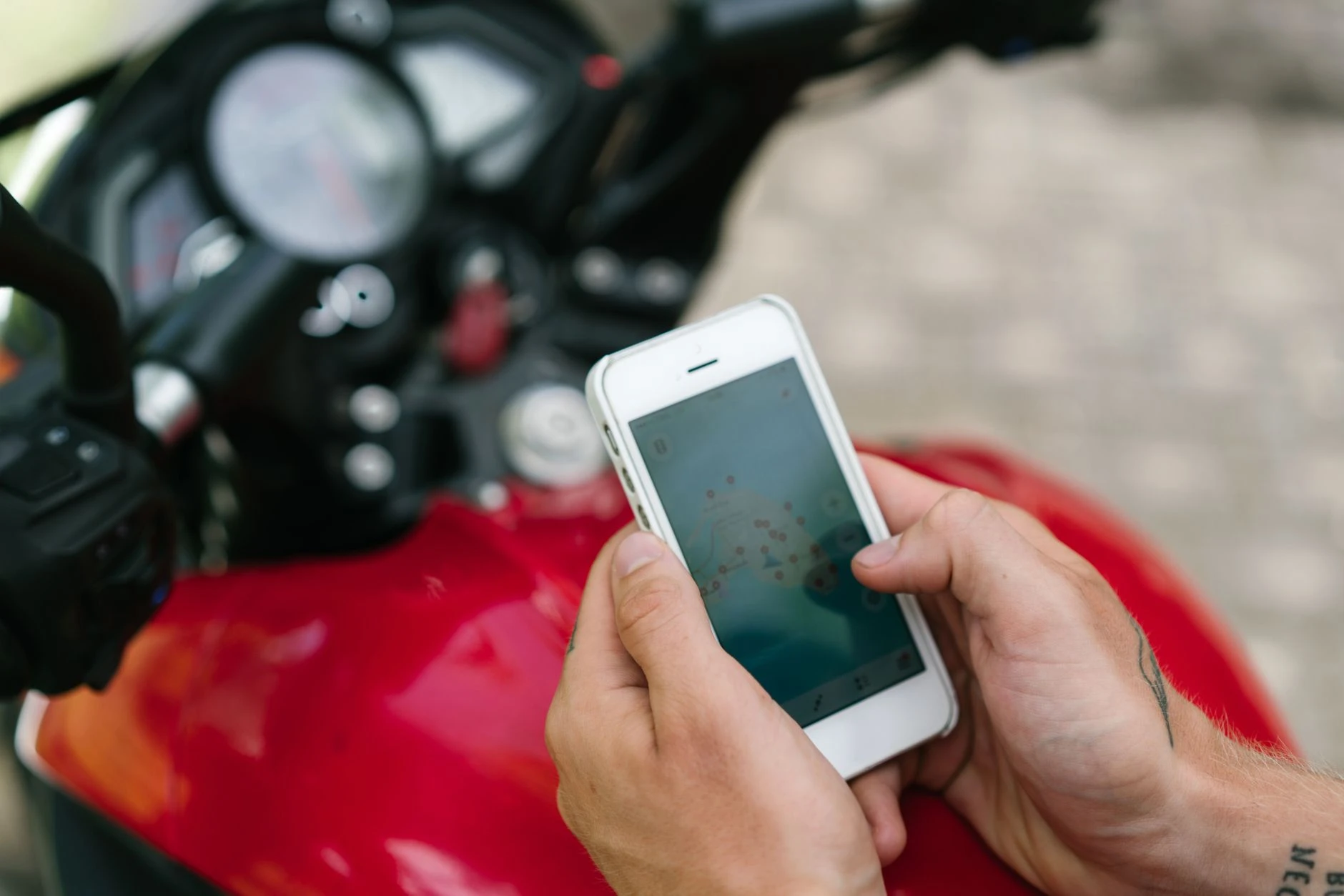
Waze is also expanding conversational reporting beyond incident alerts. Drivers can now use it to suggest map updates such as road closures or outdated addresses, and local map editors verify those suggestions before the map is changed. That keeps the community-driven structure of Waze intact while making the reporting process easier to use in motion, where tapping through menus can be a distraction.

Gai Berkovich, Waze’s vice president and general manager, framed the changes as part of the app’s evolution “from a helpful companion into an intelligent partner.” The company first introduced Gemini-powered Conversational Reporting on October 31, 2024, in beta for trusted testers globally in English on Android and iOS. That release already let users speak naturally to report incidents and prompted follow-up questions when needed, and it also added school zone alerts for map editors to enter. The latest update shows Google is pressing Gemini deeper into familiar services, not as a stand-alone chatbot, but as a layer meant to make everyday tools harder to ignore.
Sources
- [1]techcrunch.com
- [2]blog.google