Health
Wearable Devices Offer New Insight Into Insulin Resistance Risk
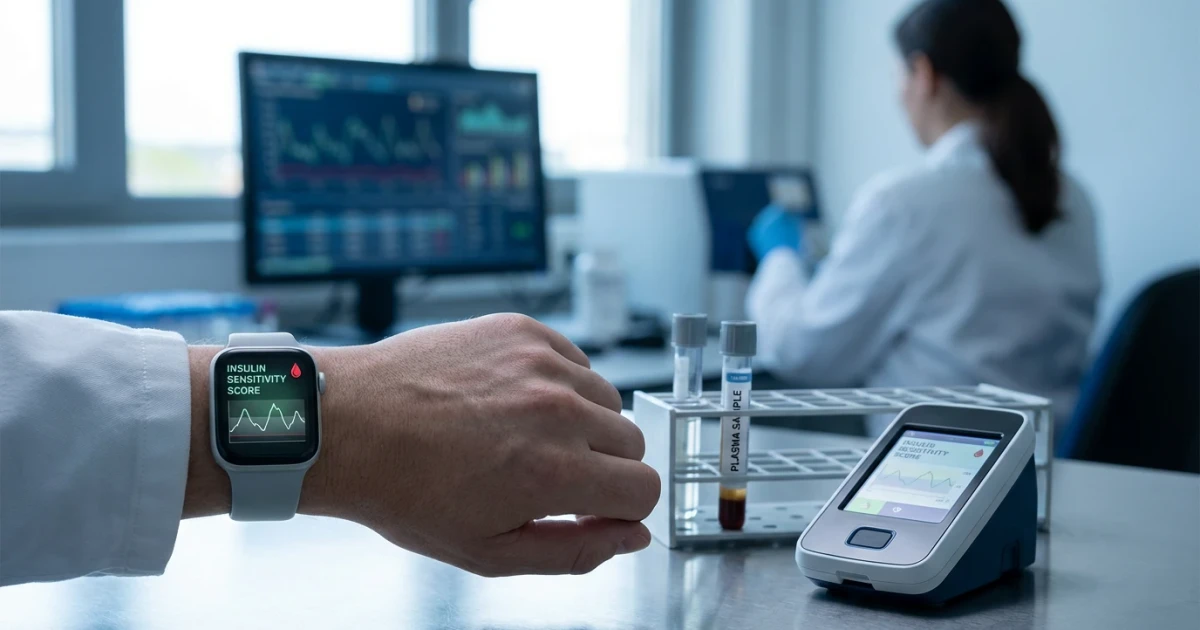
New research published in Nature reveals that data collected from wearable devices, such as smartwatches, when combined with routine blood biomarkers, can be used to predict insulin resistance—a key risk factor for type 2 diabetes. The findings suggest that digital health tools could play an important role in identifying those at risk earlier than traditional screening methods allow.
Understanding Insulin Resistance
Insulin resistance occurs when the cells in the body become less responsive to insulin, making it harder for glucose to enter cells and resulting in higher blood sugar levels. According to the National Diabetes Statistics Report from the CDC, insulin resistance and prediabetes affect millions of people in the United States, with many cases remaining undiagnosed until more serious complications arise. Early detection is critical for preventing the progression to type 2 diabetes and related complications.
How Wearables Can Help Predict Risk
The Nature study explored how physiological data such as heart rate, physical activity, and sleep patterns—collected by commercial smartwatches—could complement traditional blood tests to deliver a more comprehensive risk assessment. The research team applied machine learning algorithms to merge these data streams, creating predictive models for insulin resistance.
Analysis found that combining wearable data with routine blood biomarkers improved the accuracy of predicting insulin resistance compared to using blood tests alone. The approach holds promise for non-invasive, continuous health monitoring outside clinical settings, allowing for earlier identification and intervention in high-risk individuals. The full methodology and statistical results from the study can be found in the Nature Medicine article.
Clinical Implications and Future Directions
- This approach could enable more frequent and personalized monitoring, especially in populations with limited access to regular healthcare.
- Prediabetes and insulin resistance are major modifiable risk factors for developing type 2 diabetes, and early detection through digital tools could help guide lifestyle or therapeutic interventions.
- Researchers emphasize that while wearables add valuable data, routine lab tests remain essential for diagnosis and ongoing management.
Expert Perspectives
While the study did not include direct quotes in the published summary, the findings align with growing scientific consensus that digital health devices may revolutionize chronic disease prediction and prevention. The use of wearable data for health monitoring is expanding rapidly, with systematic reviews—such as this analysis on wearables and insulin resistance—noting the technology's potential for population health management.
Limitations and Next Steps
Despite promising results, researchers caution that more studies are needed to validate the predictive models in diverse populations and real-world settings. Factors such as device accuracy, data privacy, and equitable access to technology remain important considerations. Official clinical trial results on insulin resistance prediction using biomarkers and wearable data are available on ClinicalTrials.gov.
Conclusion
Integrating wearable device data with routine blood tests could transform how individuals and healthcare providers assess diabetes risk. As research continues, these digital tools may become a standard part of preventive healthcare, offering earlier warnings and more tailored intervention strategies for insulin resistance and type 2 diabetes.