Business
Wedding spending climbs as inflation and tariffs reshape budgets
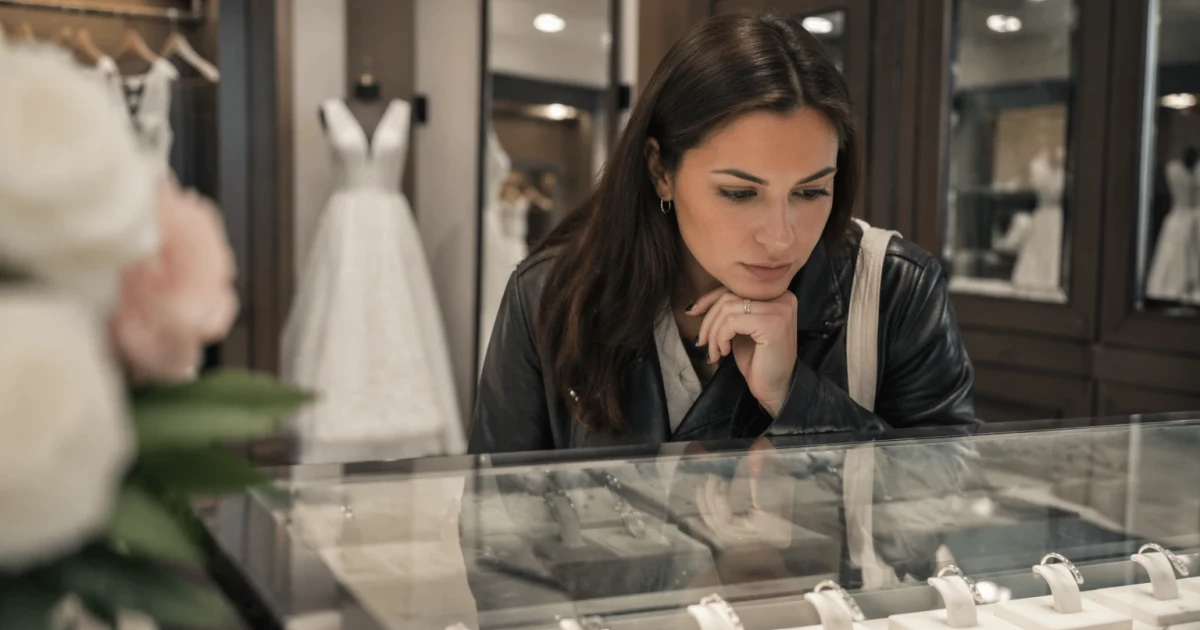
Wedding-related spending rose 8.5% year-over-year through May 2026, even as inflation and tariffs pushed more couples to rethink how they pay for the big day. Bank of America Institute’s payments data show demand has stayed strong, with May and October still the busiest wedding months and Gen Z increasingly driving that spending.
The pressure shows up most clearly in the mix of what couples keep and what they cut. Bank of America said spending on formal attire has climbed over the past couple of years, but fewer shoppers are buying because they want to avoid paying for what they see as one-time wear. Lab-grown diamonds are also gaining traction as a lower-cost alternative, a sign that couples are still willing to spend, but are becoming more selective about where the money goes.
The cost base remains high. The Knot’s 2026 Real Weddings Study surveyed 10,474 U.S. couples married in 2025 and found the average wedding cost was $34,200. Location, season, guest count, age, who pays and which vendors are hired were the biggest drivers of cost, underscoring how quickly a wedding budget can move when couples choose a Saturday in peak season, add guests or upgrade suppliers.
Economy-driven planning changes are now widespread. The Knot said 63% of couples’ budgets were affected by the current economy, while roughly 8 in 10 engaged couples said inflationary pressures had influenced or were expected to influence their planning. Six in 10 cited tariffs as a concern, and 40% said they were modifying their plans because of the economy. That has translated into direct trade-offs: a third of couples are cutting guest counts or changing flowers and decor, and 30% are contacting additional vendors to compare prices before booking.
Bank of America’s June 2026 consumer data suggest households are still holding up well enough to keep the market moving. The bank said it saw no clear signs that consumers are borrowing to fund wedding spending, and savings levels remained relatively elevated. That resilience helps explain why weddings have not broken under higher prices, even as the industry absorbs a shift toward more price-sensitive decisions, tighter guest lists and a growing preference for upgrades that feel worth the added cost.