Health
WellBN clinic inquiry finds 78 children potentially harmed by gender care
A safety inquiry into WellBN General Practice in Brighton and Hove has exposed a chain of missed safeguards that allowed 78 children and young people under 18 to be prescribed gender-related medication without the checks NHS rules were meant to provide. The review found 20 cases in which drugs were issued without a face-to-face appointment, no clear specialist diagnosis of gender incongruence or gender dysphoria, and no paediatric endocrinology input. For families, the immediate protection now is plain: WellBN is no longer starting hormone prescribing for under-18s, NHS Sussex has opened a helpline, and a GP connected to the investigation has been suspended.
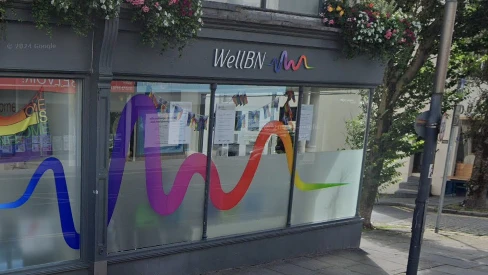
Commissioned by NHS Sussex ICB and NHS England after concerns raised in 2025 that prescribing may have fallen outside the statutory framework and national clinical policy, the independent report reviewed a cohort of patients at the practice on Western Road in Hove. It said the care fell far short of what could be considered safe or appropriate, with assessments described as wholly inadequate or absent. Some of the children were as young as 11, and more than a third of the patients reviewed lived outside Sussex, with the furthest living 480 miles away.
The report also described serious safeguarding failures. It said some patients were advised to avoid contact with social care, a warning sign in any child health setting, and it found families were not properly informed about fertility impacts before treatment began. Many of the young people had possible neurodevelopmental issues that were not taken into account when prescribing, raising further questions about whether the practice understood the vulnerabilities of the children it was treating.
The case escalated after a High Court challenge brought by a father known as ATN, who alleged his transgender teenager was prescribed cross-sex hormones without parental consent and in breach of NHS guidance. The legal fight put the Wellbn Partnership under scrutiny and forced the wider system to confront how 78 children could move through a prescribing pathway without the basic safeguards that should have stopped the process earlier.
Dr Christopher Tibbs, regional medical director for NHS England in the South East, said: "the welfare and safety of these children, young people and their families is our primary concern." The inquiry now leaves NHS commissioners and local services with a harder task than reviewing one clinic: they must show how face-to-face assessment, specialist diagnosis, paediatric endocrinology input and safeguarding escalation will be enforced before another child is put at risk.