Health
Wellesley Health Experts Emphasize Wellness in 2026
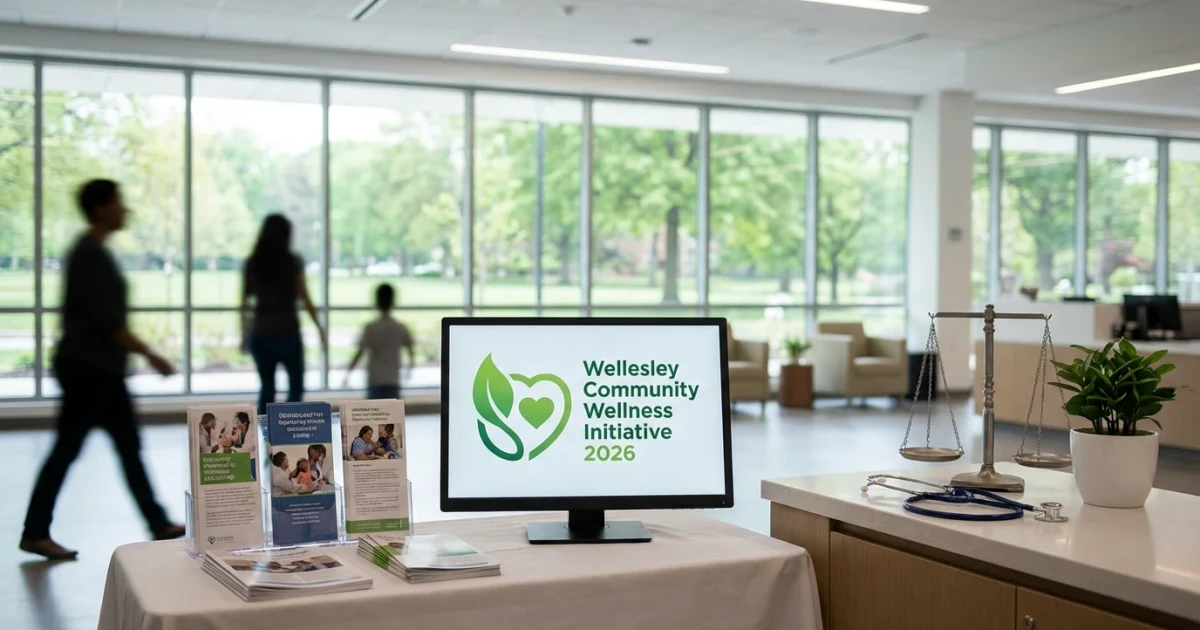
Wellesley’s medical community is calling on residents to make health and wellness a central focus in 2026, reflecting growing awareness of preventive care and the importance of holistic well-being nationwide. This push comes as local professionals echo national recommendations for improved self-care, chronic disease prevention, and equitable access to healthcare resources.
Medical Professionals Advocate Preventive Wellness
Medical experts throughout Wellesley and neighboring communities are urging individuals and families to adopt a proactive approach to health. This includes regular checkups, screenings, vaccination updates, and addressing risk factors such as poor diet, lack of exercise, and stress. The Swellesley Report highlighted how local doctors and clinics are seeing increased demand for guidance on nutrition, mental health, and chronic disease management as residents seek ways to enhance their quality of life.
- Wellesley is situated in Norfolk County, which consistently ranks highly in Massachusetts for health outcomes, but disparities remain among different population groups.
- According to the Massachusetts Community Health Needs Assessment Data, common concerns include heart disease, diabetes, mental health challenges, and the need for more accessible preventive services.
Trends in Health Spending and Chronic Disease
Nationally, the shift toward wellness is driven in part by rising health care expenditures and the burden of chronic diseases. U.S. health spending reached $4.5 trillion in 2022, and a significant portion is linked to preventable conditions such as obesity, hypertension, and depression. This reinforces the message from Wellesley’s medical professionals: investing in everyday wellness can lead to better long-term outcomes and reduced costs.
Community Initiatives and Resources
The Massachusetts Prevention and Wellness Trust Fund supports programs in Wellesley and beyond focused on chronic disease prevention, school-based health education, and access to behavioral health services. Locally, clinics and public health departments are collaborating on initiatives ranging from fitness challenges to free screenings and nutrition workshops. These efforts reflect a statewide commitment to narrowing disparities and making preventive care more accessible to all residents.
- Recent Behavioral Risk Factor Surveillance System data show that Massachusetts adults report above-average engagement in physical activity and preventive health visits, but challenges like stress and chronic pain persist.
- Adult self-reported health status in Massachusetts remains better than the national average, yet there is room for improvement in mental health and substance use outcomes.
What Residents Can Do
Medical professionals recommend several steps for residents aiming to prioritize their health in 2026:
- Schedule annual physicals and recommended screenings
- Stay up to date on vaccinations
- Adopt a balanced diet and regular exercise routine
- Seek support for mental health and stress management
- Participate in community wellness events and programs
Looking Forward
As Wellesley’s health leaders continue to encourage preventive care and holistic wellness, the community is poised to build on its strengths while addressing ongoing challenges. Residents can explore local health data and take advantage of resources offered by both public and private organizations. By making health and wellness a priority in 2026, Wellesley aims to set an example for communities statewide and support better outcomes for all.