World
Wellington storm triggers emergency, flights canceled and evacuations on coast
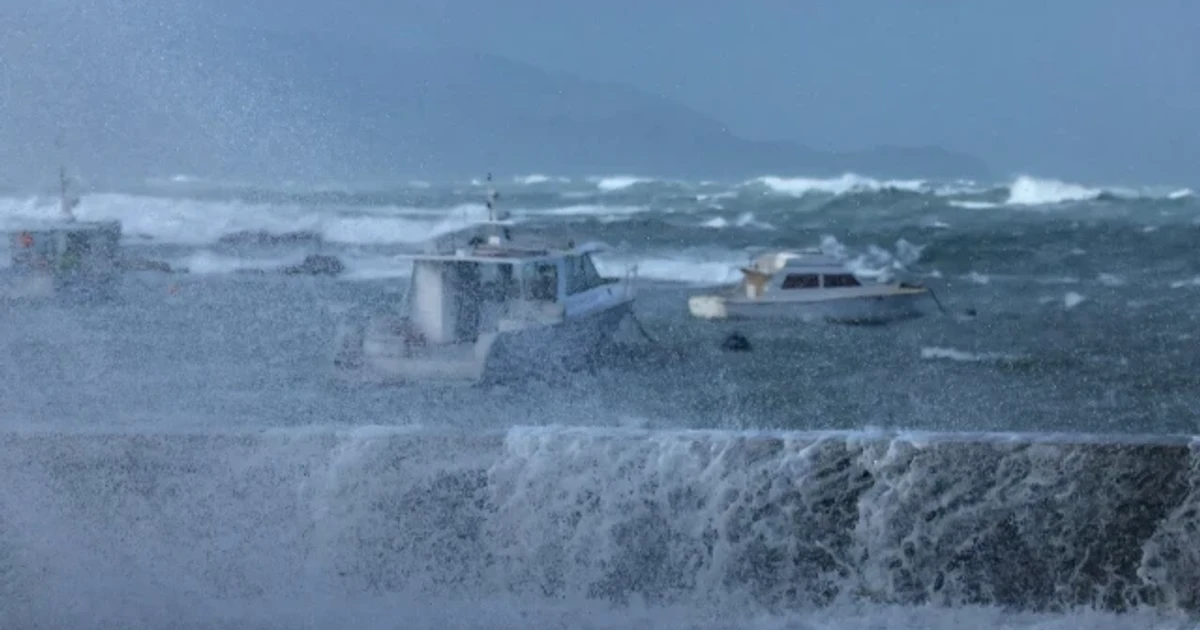
Gale-force winds and waves rising to 11 metres battered Wellington, shutting down key travel links and pushing hundreds of people out of homes along the city’s exposed south coast. The storm turned the capital’s narrow edge of land between harbour and open sea into a live emergency zone, with flights canceled, ferry crossings suspended and roads closed at the same time.
Civil Defence declared a state of local emergency for Wellington’s Southern and Eastern wards to support the response to heavy swell warnings on the South Coast. Wellington Region Emergency Management Office told residents in South Coast waterfront properties, including pets, to be out by 9am on Tuesday, June 9, and said people worried about flooding should stay elsewhere on Monday night. The evacuation order covered waterfront properties in Ōwhiro Bay, Island Bay, Houghton Bay and Breaker Bay, where storm surge and large swells posed the greatest risk.
At Wellington Airport, strong gusts tipped a light aircraft onto its wing and wheel before airport staff righted it, and no one was injured. Around eight flights were canceled, while Air New Zealand warned passengers that further high winds could disrupt services. Ferry operators also suspended crossings between the North and South Islands, cutting the main inter-island link just as travel demand and emergency movement were most sensitive.
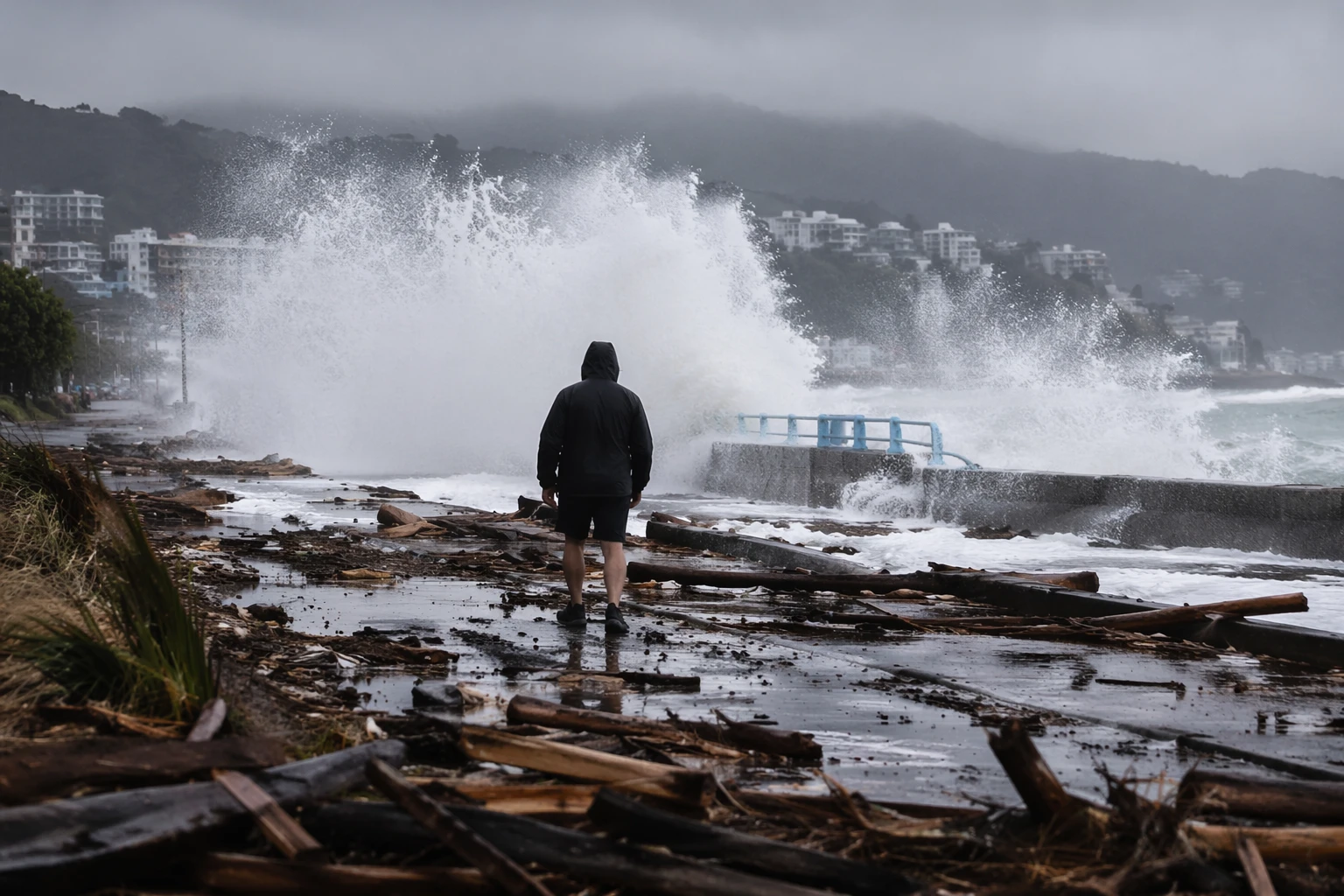
The storm’s impact reached beyond transport schedules. A waterfront pathway was closed, and roads around Wellington’s south coast were shut before later reopening once the emergency was lifted, though debris and slick surfaces still posed hazards. RNZ reported gusts nearing 100 km/h at Wellington Airport and waves as high as 11 metres, conditions that made the city’s coastal edge dangerous for people trying to move, work or stay in place.
Jonathan Delich, who lives in Island Bay, said he had canceled fishing charters for Tuesday and Wednesday and would not take anyone out on the water in those conditions. His caution reflected the wider reality for coastal businesses and residents: when swell, wind and tide hit together, the cost is not just inconvenience but lost income, disrupted access and the strain of deciding whether to leave home.
Wellington City Council lifted the state of emergency at 7pm on Tuesday, June 9, after forecasts showed wave frequency dropping and a lower risk of damage to property and life. Even then, the storm stood out as one of the larger swell events in years, a reminder that Wellington’s transport network and coastal defenses are still being tested by weather powerful enough to overwhelm them all at once.
Sources
- [1]usnews.com
- [2]rnz.co.nz
- [3]wellington.govt.nz
- [4]civildefence.govt.nz
- [5]wremo.nz
- [6]sciencemediacentre.co.nz
- [7]newstalkzb.co.nz