Health
Welsh postcode blocked cancer test that could have saved Heather Morgan
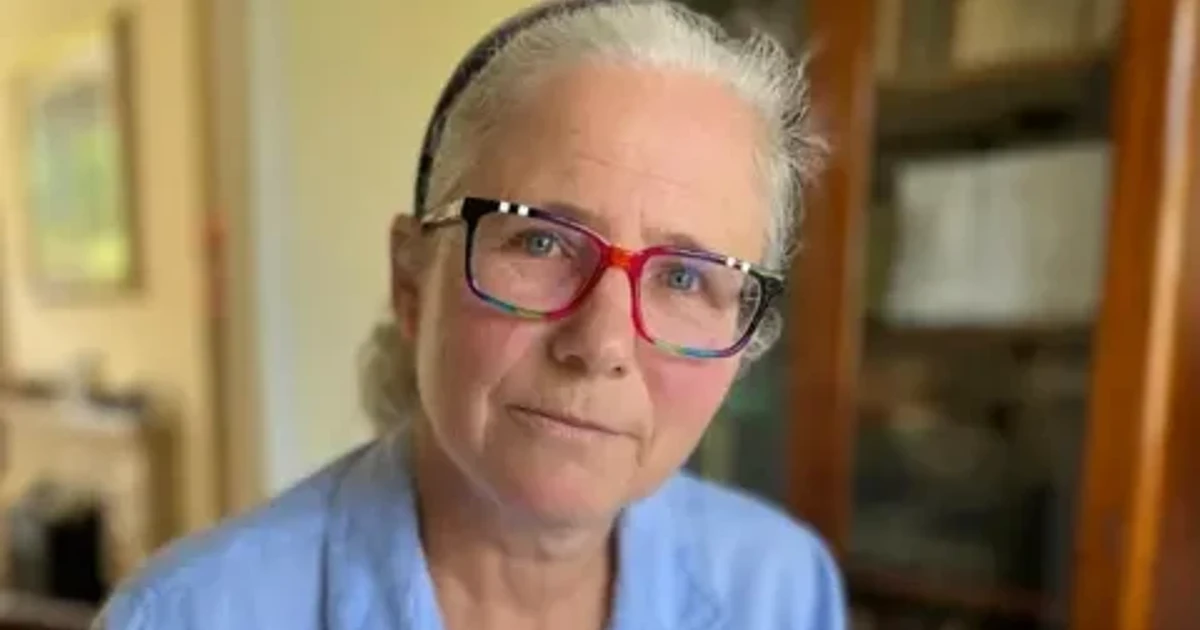
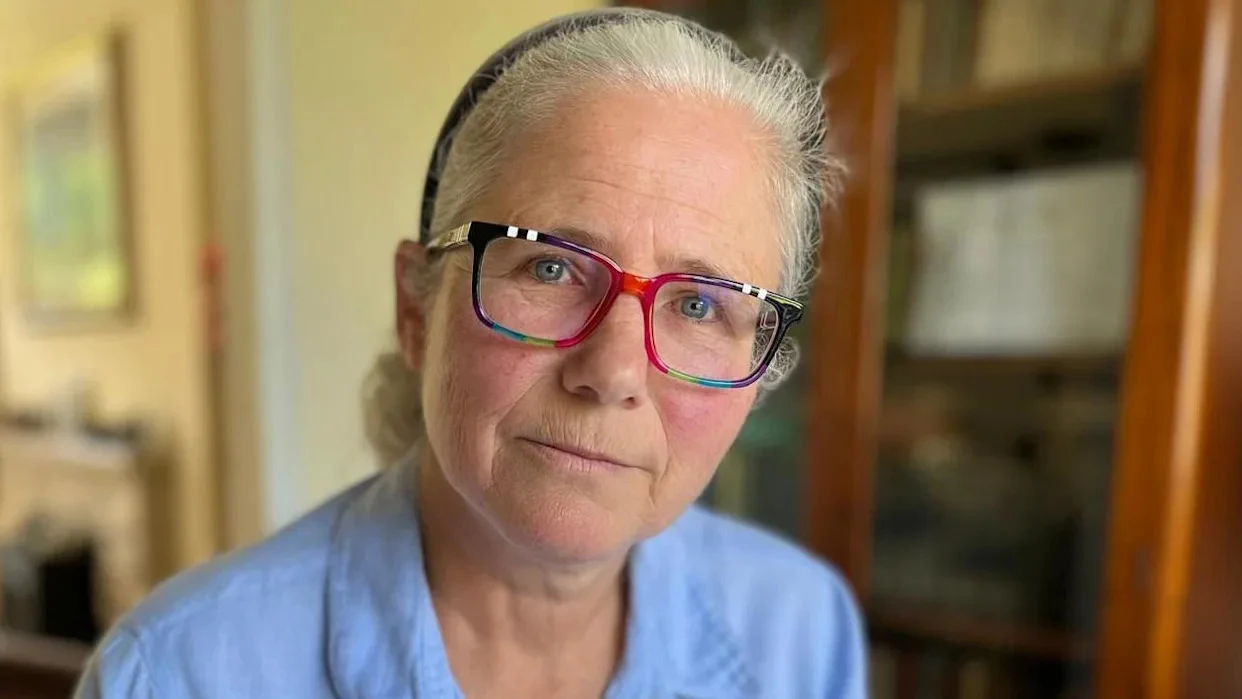
Heather Morgan’s Monmouthshire postcode put her eight miles from the English border, but far enough from England’s testing rules to matter. In 2014, when the 46-year-old had triple negative breast cancer, patients in England under 50 were immediately sent for genetic testing. In Wales, Morgan was told she was not eligible.
Morgan kept the letter from the all-Wales genetic testing service that explained why. It said the Welsh government of the day was committed to meeting NICE guidance within the financial year, but that work was still under way to expand testing capacity. By 2015, Wales had changed its rules to match England, but Morgan had already finished treatment and was never called back.

That missed window became crucial seven years later, when a visible lump in her abdomen led to further tests and an ovarian cancer diagnosis in 2021. Morgan then learned she carried the BRCA1 gene mutation that sharply raises ovarian cancer risk. She said a positive test in 2014 would probably have led her to remove both ovaries pre-emptively, and possibly to have a double mastectomy too. The experience, she said, had "changed everything".
Her case has become a stark example of the postcode lottery that still shapes cancer care across the UK. Target Ovarian Cancer says about 7,000 women are diagnosed with ovarian cancer every year and around one in 50 women will develop it at some point in life. The charity says awareness, access to clinical trials and survival can vary hugely depending on where a patient lives.
The stakes are high. Target Ovarian Cancer says one in five women with ovarian cancer die within three months of diagnosis, while one in four wait more than three months after first noticing symptoms before seeing a GP. Its campaign points to the symptoms that are too often missed: a bloated tummy, needing to wee more often or urgently, tummy pain and feeling full all the time. It is calling for national Be Clear on Cancer-style awareness campaigns across the UK.
Policy has moved, but unevenly. NICE published its current familial and genetic risk guideline on 21 March 2024, covering genetic counselling, testing, preventive medicines and risk-reducing surgery for adults at risk of an ovarian-cancer-associated pathogenic variant. In Wales, an all-Wales ovarian cancer prehabilitation pilot launched in January 2022 in Cardiff, Bangor and Swansea as part of Ovarian Cancer Action’s IMPROVE project. The Wales Cancer Research Centre says Wales sees about 400 new ovarian cancer cases a year.

Morgan now supports the National Hereditary Breast Cancer Helpline, while Welsh officials say a new cancer plan will focus on early detection and a National Cancer Leadership Board has been created. Her story shows how a border can still shape survival, even when the disease does not stop at the postcode boundary.
Sources
- [1]bbc.com
- [2]yahoo.com
- [3]targetovariancancer.org.uk
- [4]nice.org.uk
- [5]walescancerresearchcentre.org
- [6]nhs.uk