Politics
West Bengal Ends Five Decades of Left-Wing Rule
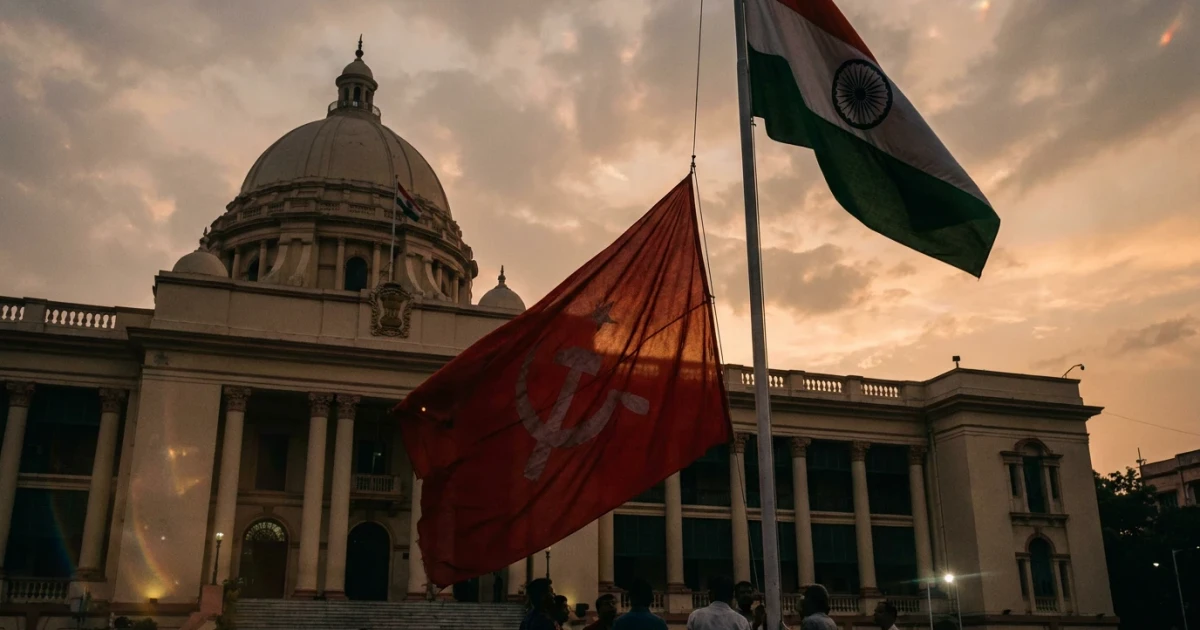
India’s political map has undergone a seismic shift as West Bengal, the country’s last bastion of left-wing governance, has ended nearly five decades of rule by leftist parties. The transition marks the conclusion of an era that shaped the state’s socio-economic policies and influenced national debates on development and welfare.
Historic Left-Wing Leadership in West Bengal
West Bengal’s left-wing government, primarily led by the Communist Party of India (Marxist) (CPI(M)), was established in 1977, following years of political turbulence and popular unrest. The Left Front coalition maintained power through successive elections, implementing land reforms, rural development programs, and extensive welfare schemes. According to official records from the Election Commission of India, West Bengal was the only state in India to sustain a left-wing government for such an extended period.
- Land reforms in the late 1970s and 1980s redistributed agricultural land, benefiting millions of small farmers.
- Rural decentralization policies empowered local governance through panchayats.
- Extensive education and health investments improved literacy and public health metrics, as reflected in Census of India data.
Decline of Left-Wing Influence
Despite its early successes, the Left Front’s influence began to wane in the 2000s, challenged by changing economic dynamics, allegations of stagnation, and emerging political alternatives. Election data from LokDhaba shows a steady decline in the Left’s seat share and vote percentage, culminating in a dramatic loss in recent elections. The rise of regional parties and national contenders eroded the Left’s traditional base among rural and urban voters.
- In 2011, the Left Front lost power to the Trinamool Congress (TMC), but maintained a presence in opposition.
- By 2026, left-wing parties failed to secure major seats, marking the end of their formal governance in the state.
- According to Statista, left-wing parties have been reduced to single-digit representation in the state assembly.
Legacy and Impact
Research from Ideas for India highlights both the achievements and shortcomings of left-wing governance in West Bengal. Land reform and rural empowerment are widely credited for improving agrarian conditions and reducing poverty in the early decades. However, critics point to slow industrialization, limited job creation, and infrastructural challenges as factors behind the Left’s loss of voter confidence.
The fall of West Bengal’s left-wing government signals the end of an era in Indian politics. India now has no state-level left-wing governments, reflecting broader national trends favoring centrist or right-leaning parties. The transition raises questions about the future of progressive politics, the fate of welfare programs, and the evolving priorities of Indian voters.
What Comes Next?
The new government faces the challenge of balancing economic growth with social equity, while former left-wing leaders contend with rebuilding their political base. Analysts expect increased emphasis on industrial development and greater integration with national policy priorities. Meanwhile, West Bengal’s legacy of land reform and grassroots empowerment remains a pivotal chapter in India’s democratic journey.
For a deeper dive into West Bengal’s electoral history, explore the assembly election data and official election records. Socio-economic changes during left-wing rule can be examined through Census tables and research-driven analysis from Ideas for India.