Health
West Nile virus hits earliest U.S. start in more than 20 years

West Nile virus reached its earliest U.S. start in more than 20 years, with the Centers for Disease Control and Prevention counting at least 48 human cases by June 30 and 38 of them severe neuroinvasive disease cases. Since 2004, CDC has averaged just 10 human West Nile cases by the end of June.
The virus usually circulates through the summer and into the fall, peaking in late August and early September, and case totals can swing sharply because of periodic epidemics. West Nile remains the most common mosquito-borne disease in the contiguous United States. The current-year dashboard tracks the national picture through ArboNET, with historic data running from 1999 through 2025. Twenty-three states had already reported West Nile activity, the highest number in a decade.
Southern California is already seeing the virus move from mosquitoes to people. The San Gabriel Valley Mosquito and Vector Control District confirmed the first West Nile-positive mosquito sample of the year in its service area after a trap in Alhambra tested positive on June 29. Long Beach health officials confirmed the city's first human case of 2026 on June 27, the first symptomatic West Nile case in California this year.
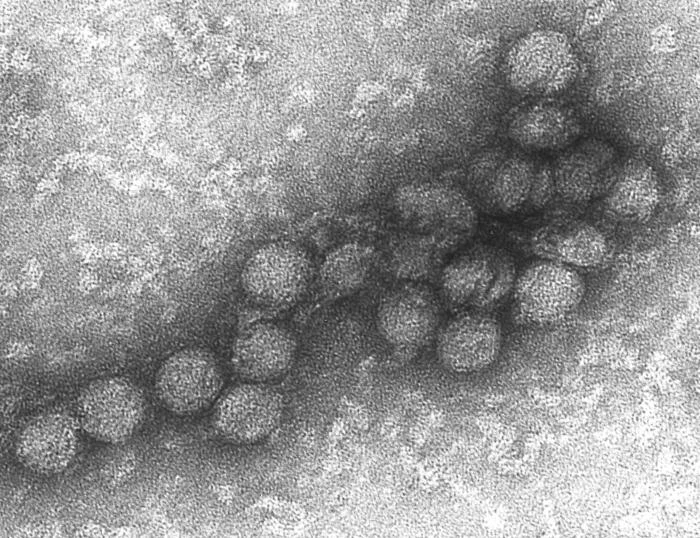
There is no licensed vaccine or medicine to prevent or treat West Nile in people. The risk of severe illness rises with age and is higher for people with certain chronic medical conditions or weakened immune systems, including those on immunosuppressive medications. Use an EPA-registered repellent, wear long, loose-fitting clothing, use screens on windows and doors or air conditioning, and dump standing water where mosquitoes breed.
Sources
- [1]news.google.com
- [2]cdc.gov
- [3]nbclosangeles.com
- [4]latimes.com
- [5]views.washingtonpost.com