Science
Whale Bones Mistaken for Mammoth Remains in Alaska Discovery
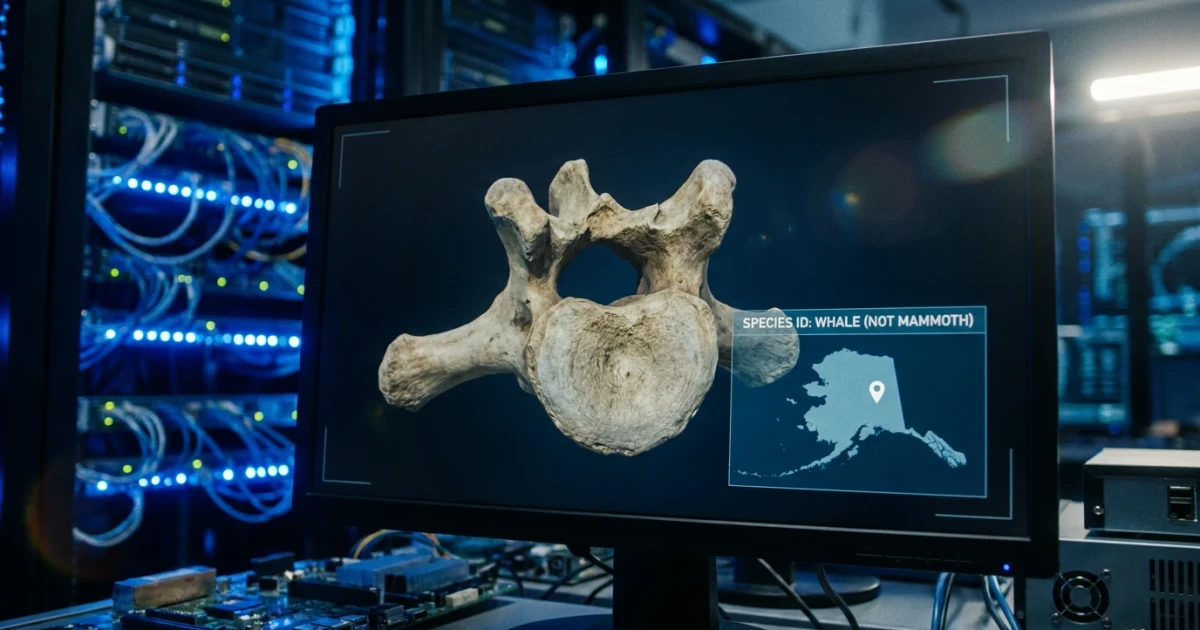
Archaeologists have revealed that bones thought to be ancient mammoth remains, discovered deep within Alaska’s interior, are actually whale bones originating from coastal regions over 250 miles away. The new findings challenge earlier assumptions and offer fresh insight into the region’s prehistoric landscape and the movement of both animals and people.
Identification Sheds New Light on Inland Alaskan Finds
The announcement comes after a detailed analysis of the bones, which were initially celebrated as evidence of mammoth presence far inland. However, using advanced identification techniques and comparison with the NOAA Alaska Fisheries whale bone guide, researchers determined that the bones matched the morphology of whale species rather than mammoths.
According to the National Park Service, such misidentifications are not uncommon, especially when fragmentary remains are found far from their expected habitats. The case underscores the importance of careful anatomical analysis and cross-referencing with comprehensive identification guides.
How Did Whale Bones End Up 250 Miles Inland?
This discovery raises critical questions about the presence of whale bones so far from the ocean. Multiple scientific reports, including recent research summarized in Scientific Reports, suggest two main explanations:
- Ancient Trade and Transport: Indigenous peoples may have transported whale bones inland for use as tools, building materials, or ceremonial objects. Archaeological evidence supports the movement of marine resources deep into Alaska’s interior.
- Natural Geological Processes: During glaciations and river floods, bones could have been carried from coastal regions far upriver and deposited in what are now inland valleys.
The USGS Quaternary Paleontology Bulletin documents several similar cases in Alaska, where marine mammal bones were discovered well outside their expected ranges, reinforcing these theories.
Implications for Paleontology and Archaeology
This reidentification has significant implications for understanding Alaska’s past. Assumptions about mammoth migration and extinction timelines may need reassessment if some inland finds are actually marine in origin. Meanwhile, the presence of whale bones can illuminate ancient human behavior, including long-distance trade and resource utilization.
For paleontologists and archaeologists, the case is a reminder to combine morphological study with contextual clues and to consult resources such as the Alaska fossil records database for cross-verification.
Moving Forward: Accuracy in Fossil Identification
As new technologies and identification guides improve, researchers continue to revisit older finds, ensuring the accuracy of Alaska’s paleontological record. The recent whale bone discovery demonstrates the evolving understanding of the region’s ancient past and highlights the interconnectedness of its people, animals, and environments.
Future investigations are expected to focus on the precise routes and methods by which whale bones were transported inland, as well as the cultural significance these materials held for Alaska’s earliest inhabitants.