Science
Whale supergroups signal recovery after decades of commercial hunting
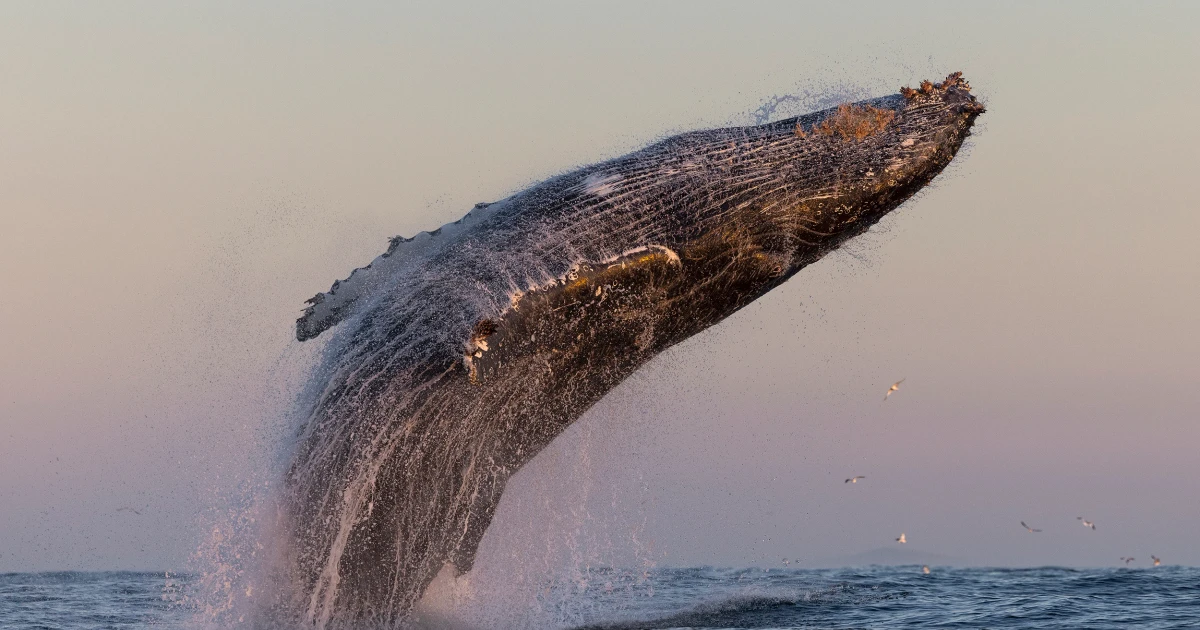
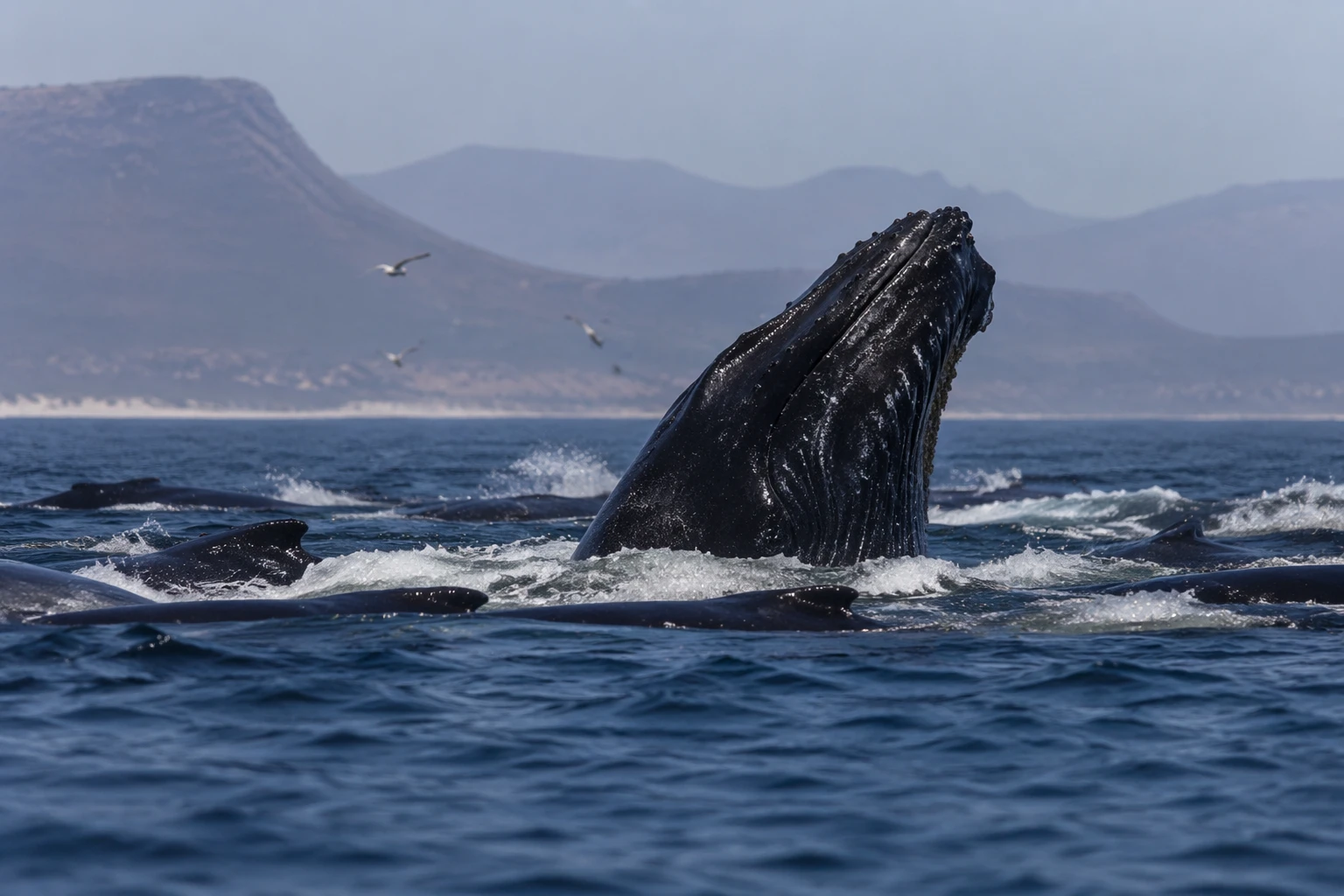
Photographers counted 304 individual humpback whales off the West Coast of South Africa in a single day in December 2025, the largest concentration of large whales identified in one day. The sighting fits a growing pattern of whale “supergroups,” unusually dense gatherings that conservation scientists read as a sign that some populations are recovering enough to pack into rich feeding areas again.
That recovery is real, but it has a hard ceiling. The International Whaling Commission’s commercial whaling moratorium began in 1986 and turns 40 this year, and that shift helped some whale populations rebound after industrial hunting drove them to collapse. World Wildlife Fund says humpbacks were reduced to less than 5% of pre-whaling numbers, while a March 13, 2025 CNN video put the decline at an estimated 95% during the commercial whaling era. The rebound is visible far beyond South Africa: off Rio de Janeiro, humpback sightings have surged as the species recovered, and Enrico Marcovaldi, co-founder of the Humpback Whale Project, said the population rose from around 2,000 to around 35,000 in roughly 40 years.
Scientists still do not see the South African supergroups as a simple story of more whales equals more whales everywhere. A 2021 Scientific Reports study linked humpback whale super-group occurrences in the Southern Benguela to oceanographic anomalies, showing how unusual water conditions can concentrate prey and draw whales together in extraordinary numbers. That helps explain why a single day can produce a count of 304 after photographers recorded 208 humpbacks on Dec. 29, 2025 and then 304 the next day.
The larger warning is that hunting was only the first threat. Large whales remain vulnerable to ship strikes, fishing gear entanglement, underwater noise, pollution and warming seas. The Marine Mammal Commission says whales can be struck and killed or injured by vessels of all sizes, and Santa Barbara County’s Air Pollution Control District said analyses of the 2025 Blue Whales and Blue Skies program found major reductions in strike risk, underwater noise and air pollution when ships slowed down. Conservation groups have pushed similar speed rules because quieter, slower shipping can buy whales time in crowded coastal corridors.
Recovery is uneven across species, too. NOAA’s North Atlantic right whale page, updated March 4, 2026, still lists the species as critically endangered, even as World Wildlife Fund says researchers spotted 22 calves in one recent calving season. That fragile progress sits beside fresh pressure elsewhere, including Iceland’s plan to resume whaling with quotas of 150 fin whales and 168 minke whales, and a whale strike involving a Royal Caribbean Group vessel near Seward, Alaska. The supergroups are a milestone, but they are not proof that the ocean is safe again.
Sources
- [1]apnews.com
- [2]bbc.com
- [3]nature.com
- [4]worldwildlife.org
- [5]fisheries.noaa.gov
- [6]ourair.org
- [7]ifaw.org
- [8]washingtonpost.com
- [9]journal.iwc.int
- [10]mmc.gov
- [11]seattletimes.com
- [12]chrisfallows.com