Business
What debt collectors can and can't do after a loved one dies
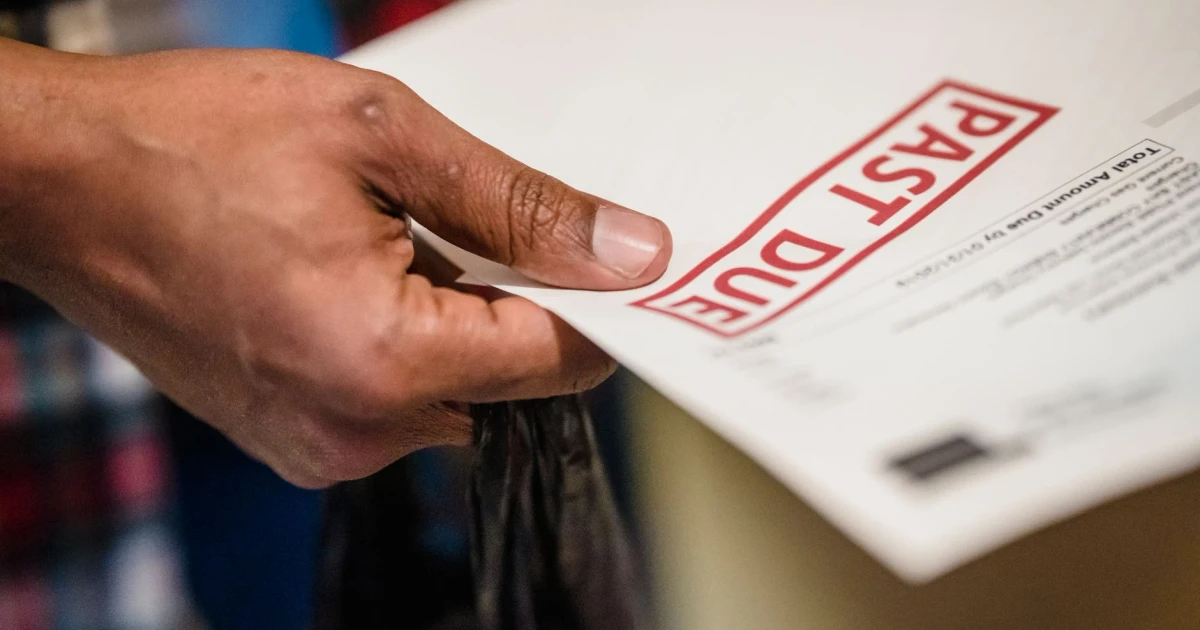
When a relative dies, the first debt-collection call can sound urgent, personal, and unavoidable. In law, it is often none of those things. The debt may still exist, but the collector’s reach is limited: family members are not automatically on the hook, and a collector cannot turn grief into a shortcut to your own wallet.
Who collectors may contact
The Federal Trade Commission limits who can even discuss a deceased person’s debt. Collectors may talk with the spouse, the parent of a deceased minor child, a guardian, an executor or administrator, or another person authorized to pay debts from the estate. In its July 20, 2011 policy statement, the FTC would not bring enforcement action under the FDCPA or FTC Act when collectors communicate with someone authorized to pay estate debts.
Family members typically are not obligated to pay from their own assets, and collectors may not mislead relatives into thinking they are personally liable for the dead person’s debts.
What survives death, and what does not
A debt does not simply vanish when someone dies. The deceased person’s estate owes the debt, but if the estate has no money or property left, the debt generally goes unpaid unless an exception applies. In practical terms, the question is not whether the debt existed, but whether the estate has assets that can legally be used to pay it.

Federal rules also give estates a formal place in the collection process. Under Regulation F, if a debt collector knows or should know that the consumer is deceased and has not already provided validation information, an authorized person acting on behalf of the estate operates as the consumer for validation-notice purposes. That means the estate representative can receive the paperwork needed to verify the debt, rather than the deceased person.
When you may personally be liable
Most survivors are not personally responsible for a dead relative’s debt, but several exceptions matter. Liability can attach if you are a co-signer, a joint account holder on a credit card, a surviving spouse in a community property state, or someone covered by a state necessaries statute or another state-law rule requiring payment. An authorized user is not the same thing as a joint account holder, which is one of the most common points of confusion.
The community property states where surviving spouses may have special responsibility are: Alaska, if a special agreement is signed, Arizona, California, Idaho, Louisiana, Nevada, New Mexico, Texas, Washington, and Wisconsin. If you are the executor or administrator of an estate, collectors can contact you about estate debts, but they are not allowed to say or hint that you must pay those debts with your own money.
What collectors are barred from saying or doing
Collectors cannot imply that an executor, administrator, or surviving spouse is personally liable just because they are the person answering the phone. They may discuss debts and estate payments with a surviving spouse or estate representative, but they cannot suggest those debts must come from the survivor’s personal funds. Unfair, deceptive, or abusive tactics are off limits in these collections.

In September 2024, the CFPB warned that some collectors may try to capitalize on surviving spouses’ vulnerabilities, particularly when unpaid medical bills may not even belong to the survivor. The bureau warned that attempts to collect a deceased spouse’s medical bills without assessing the specific legal facts may violate state and federal law.
The mistakes that cost families money
The most expensive mistake is paying too fast. If you send personal funds before checking whether the debt belongs to the estate, you can blur the line between estate money and your own, and you may never recover that payment. If the debt sounds unfamiliar, ask the collector to send the information in writing so you can verify whether it is real and whether it belongs to the estate or to you at all.
Another mistake is assuming every medical bill is valid. The CFPB warned in 2024 that new surviving spouses with unpaid medical bills reported an average of $28,749 in unpaid medical bills, compared with $15,785 among the rest of the population, and that in the four years before death, the deceased spouse’s out-of-pocket expenses nearly doubled while the survivor’s own expenses declined.
A final mistake is ignoring the paperwork that establishes who may act for the estate. If there is an executor or administrator, that person should be the one receiving validation information and handling estate-level communications.
Sources
- [1]cbsnews.com
- [2]consumer.ftc.gov
- [3]consumerfinance.gov
- [4]ftc.gov