Health
What Science Really Says About Blue Light and Sleep
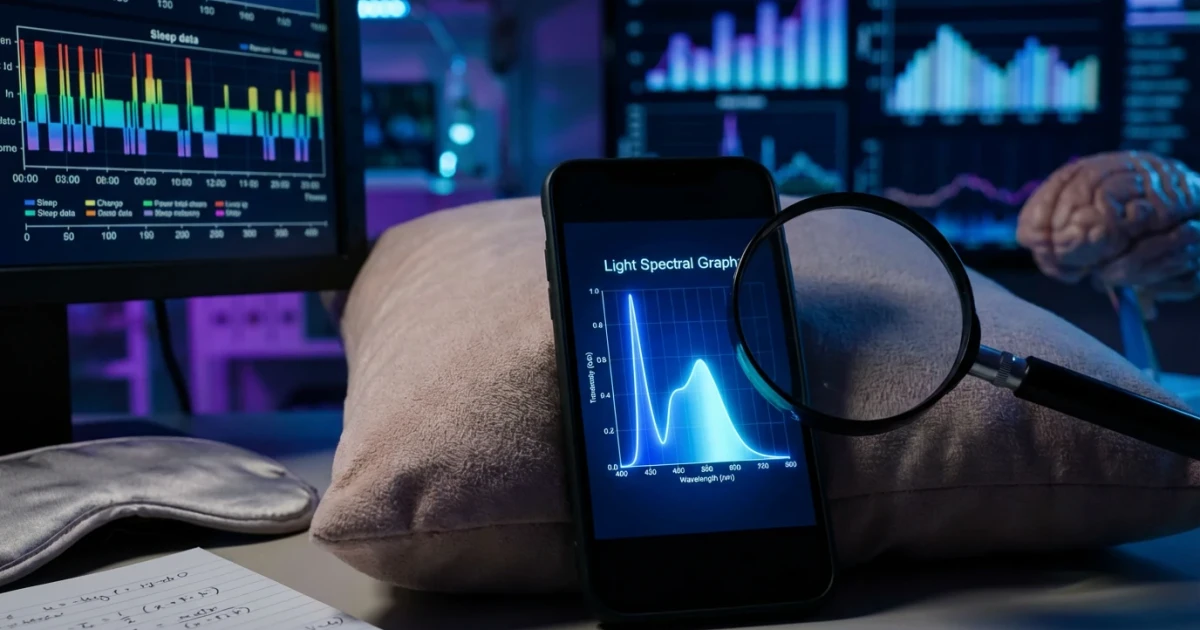
The idea that blue light from smartphones is destroying sleep has become a common refrain among health experts and in popular media. Yet, recent reports and a growing body of research suggest that the story is far more nuanced—and that blaming your phone’s blue light for all your sleep woes may be misguided.
Examining the Blue Light-Sleep Connection
For years, blue light emitted from screens has been considered detrimental to sleep. The concern rests on the fact that blue wavelengths can suppress melatonin production, the hormone that helps regulate the body’s circadian rhythms. This has led to widespread adoption of blue light filters and night mode settings on devices, with billions of smartphone users worldwide enabling these features.
However, as the BBC highlighted in its recent coverage, the link between blue light from phones and poor sleep quality is not as direct as once thought. While laboratory studies have shown that evening exposure to high-intensity blue light can delay sleep onset and reduce next-morning alertness, real-world device use typically emits much lower levels of blue light than controlled lab conditions.
What the Latest Studies Show
Systematic reviews published by sleep researchers indicate that while blue light can have measurable effects on melatonin, these effects are modest for most evening phone use. A 2019 review of blue light and circadian rhythms found that exposure to screen-level blue light for short durations (such as browsing social media before bed) is unlikely to greatly disrupt sleep for the average person. The BBC report echoes this, noting that individual differences—such as genetic predisposition, sleep habits, and environment—play a much larger role.
- According to CDC data, about one-third of US adults report getting less than seven hours of sleep per night, but multiple lifestyle factors contribute to this trend.
- Peer-reviewed studies show that blue light is just one component of the broader sleep environment, which includes stress, screen time, late-night caffeine, and inconsistent routines.
Other Factors Affecting Sleep
Experts quoted in the BBC article and supported by the Sleep Foundation point to other factors that are more strongly linked to poor sleep than blue light alone. For example, engaging content—like late-night news, games, or social media—can increase arousal and delay bedtime, regardless of the type of light emitted. Mental stimulation and emotional stress from device use may outweigh the physiological impact of blue wavelengths in many cases.
The BBC report further emphasizes that blue light filters and night modes, though widely used, may offer only minimal improvements in sleep quality for most people. Instead, experts recommend broader sleep hygiene strategies, such as:
- Maintaining a consistent bedtime and wake time
- Limiting caffeine and heavy meals before sleep
- Reducing overall screen time in the hour before bed, not just blue light exposure
- Creating a dark, cool, and quiet sleeping environment
Looking Beyond the Hype
While the blue light from your phone may play a minor role in sleep disruption for some, the evidence suggests it is not the main culprit for widespread sleep loss. As the BBC concludes, improved sleep comes from addressing the bigger picture—lifestyle habits, stress management, and consistent routines—rather than focusing solely on the color of your screen’s light.
For those still concerned, using built-in device filters or blue light-blocking glasses may offer peace of mind, but the most effective changes often involve behavior: winding down before bed, setting screens aside, and prioritizing a restful environment.
As research on sleep and technology evolves, it’s clear that healthy sleep depends on more than just managing blue light. The full story is more complex—and more within our control—than previously thought.