Health
What Science Reveals About Bad Smells and Your Health
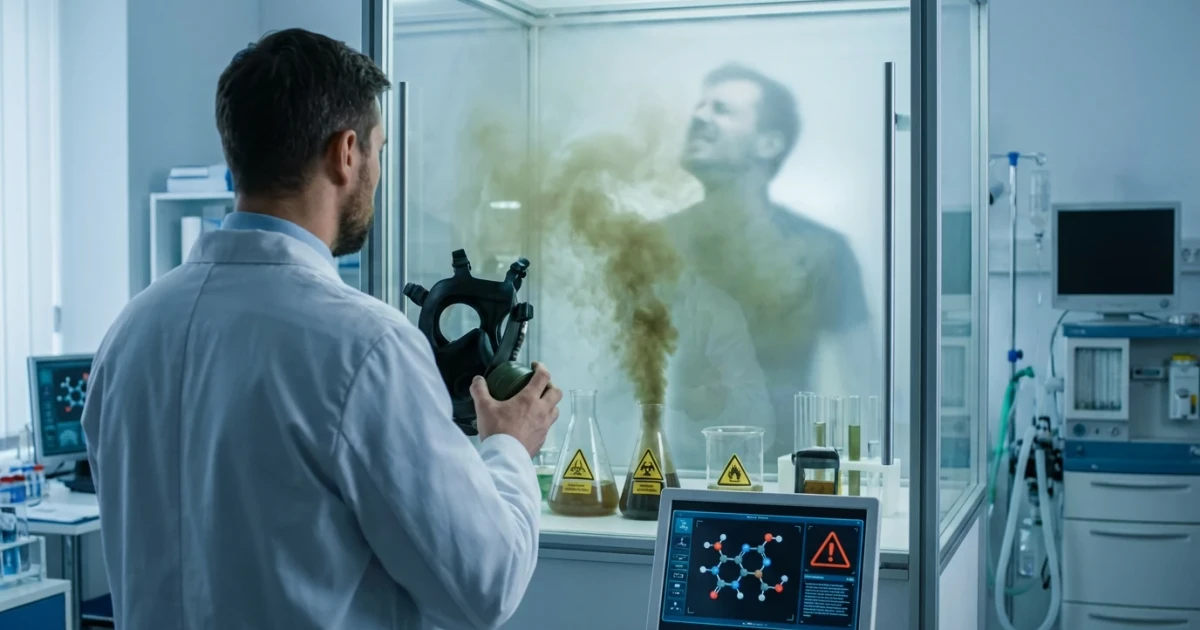
Unpleasant odors are a common part of everyday life, but mounting scientific evidence suggests their impact goes beyond simple annoyance. From garbage and sewage to industrial emissions, bad smells can affect both our physical and mental health, according to research and expert guidance from organizations like the CDC, EPA, and the World Health Organization.
How the Body Reacts to Bad Odors
Bad smells are typically caused by volatile organic compounds (VOCs) and gases like hydrogen sulfide. When inhaled, these chemicals can trigger immediate physical reactions such as:
- Headaches
- Nausea
- Eye, nose, or throat irritation
- Shortness of breath
The CDC notes that symptoms often depend on an individual's sensitivity, the type of chemical, and the duration of exposure. For example, hydrogen sulfide, the compound responsible for the classic “rotten egg” smell, can cause irritation and even neurological effects at higher concentrations.
Health Risks from Repeated or High-Level Exposure
While brief exposure to bad smells is usually harmless, WHO guidelines indicate that chronic or intense exposure can contribute to more serious health problems:
- Respiratory issues such as asthma or bronchitis
- Aggravation of allergies
- Fatigue, stress, and sleep disturbances
EPA data on VOCs show that certain compounds found in strong indoor odors—like those from cleaning products, paint, or smoke—may increase the risk of long-term effects, including cancer and organ damage, when present at high levels over time.
Odors and Mental Wellbeing
Beyond physical symptoms, research has found that persistent exposure to bad smells can negatively affect mental health and quality of life. A review in the International Journal of Environmental Research and Public Health found associations between chronic odor annoyance and increased rates of anxiety, depression, and social isolation.
This is particularly relevant in communities near factories, landfills, or farms, where odor complaints have been linked to stress and reduced life satisfaction. These findings are echoed in reviews like Odor Pollution: A Review of Health Effects and Measurement Methods, which summarizes multiple studies connecting odor pollution to mental health burdens.
Official Guidelines and Safety Thresholds
Government agencies set exposure limits for many odor-causing chemicals. For example, OSHA maintains permissible exposure levels for hydrogen sulfide and other gases in workplaces. The WHO and EPA offer guidance on acceptable indoor air concentrations and recommend ventilation or source control to reduce health risks.
What You Can Do
- Increase ventilation when using products with strong odors
- Report persistent or severe odor problems to local authorities
- Use air purifiers and avoid sources of indoor air pollution
Looking Forward
While not all bad smells are dangerous, they can be a warning sign of harmful chemicals in the environment. As research continues, health experts stress the importance of awareness, proper ventilation, and adherence to official guidelines for minimizing risks. The growing body of evidence underscores that managing odor pollution is not just about comfort—it’s a public health concern with real implications for communities worldwide.