Science
What the Artemis II Crew Can Teach Us About Fitness
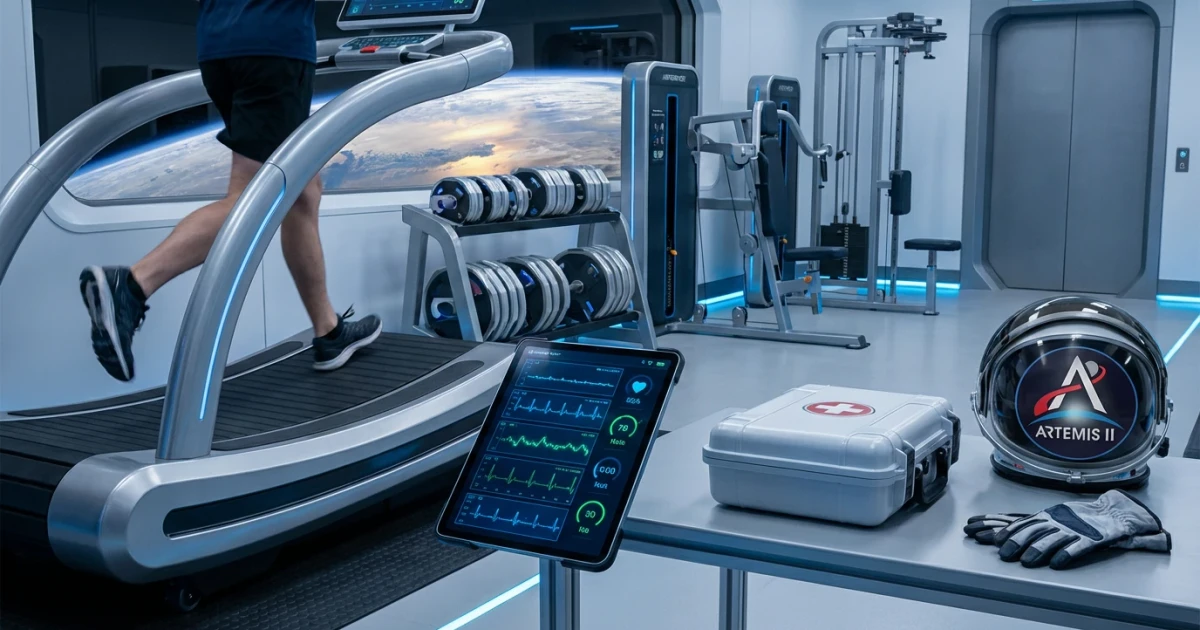
NASA’s Artemis II mission is set to return humans to the Moon’s orbit for the first time in over 50 years, and the crew’s preparation goes far beyond technical training. As NPR reports, the four astronauts’ physical regimens offer valuable insights that can benefit anyone—whether or not their destination is space.
The Demands of Astronaut Fitness
Becoming a NASA astronaut requires meeting strict physical and medical standards. The Artemis II crew—Reid Wiseman, Victor Glover, Christina Koch, and Jeremy Hansen—underwent a selection process emphasizing cardiovascular endurance, muscular strength, flexibility, and robust mental health. These standards are not only crucial for surviving microgravity and the stresses of space travel, but also for ensuring optimal performance during mission-critical tasks.
According to NASA’s reference materials, astronauts must pass physical exams, demonstrate the ability to swim and tread water, and complete a variety of strength and endurance tests. The physical demands reflect the realities of spaceflight, from wearing heavy spacesuits to managing high-G forces during launch and reentry.
Training Like an Astronaut
The Artemis II astronauts’ daily routines incorporate a mix of aerobic and resistance exercises, mirroring the exercise protocols used aboard the International Space Station (ISS). Training focuses on maintaining muscle and bone mass, which can deteriorate rapidly in microgravity. Typical workouts include:
- Running or cycling for cardiovascular health
- Weightlifting and resistance bands for muscle strength
- Core stability and flexibility routines
- Team-based physical challenges to build cohesion and problem-solving skills
NASA research shows that astronauts on the ISS spend up to two hours per day on exercise to mitigate bone loss and preserve muscle. The Artemis II crew’s Earth-based routines are designed to prepare them for these rigorous in-space requirements and build habits that support long-term health.
Lessons for Everyday Fitness
While the average person isn’t preparing for a lunar mission, the Artemis II crew’s fitness strategies are grounded in principles that can benefit anyone. NPR highlights several takeaways from their routines:
- Consistency matters more than intensity—astronauts prioritize regular exercise, even when schedules are tight.
- Variety is key—balancing aerobic, strength, and flexibility training improves overall health and injury prevention.
- Functional fitness—exercises that mimic real-life movements, such as squats and core work, are central to training.
- Mental resilience—physical fitness is closely tied to managing stress and supporting cognitive performance.
The Artemis II astronauts demonstrate that even highly specialized fitness goals are built on foundational habits: regular movement, goal setting, and adapting routines to changing circumstances.
Health Standards and Performance
NASA maintains detailed health and performance standards for all crew members, informed by decades of spaceflight data. These protocols address not just physical fitness, but also sleep quality, nutrition, and mental well-being. For example, astronauts are encouraged to monitor hydration, maintain a balanced diet, and practice stress management techniques—all elements that contribute to their readiness for demanding missions.
Peer-reviewed research on astronaut body composition and physical fitness highlights the importance of a holistic approach: balancing strength, endurance, flexibility, and psychological health. These same principles are widely recommended by fitness professionals for the general population.
Looking Ahead
As the Artemis II crew prepares for their historic flight, their approach to health and fitness sets an example that extends far beyond NASA’s training centers. The mission underscores that, while few will travel to space, the fundamentals of astronaut training—consistency, variety, and functional movement—can help anyone pursue greater well-being on Earth.
For those inspired by the Artemis program, NASA offers resources on astronaut fitness requirements and exercise strategies, making it easier to adapt these best practices into everyday life.