Politics
What the Constitution Provides When a President Is Unfit for Office
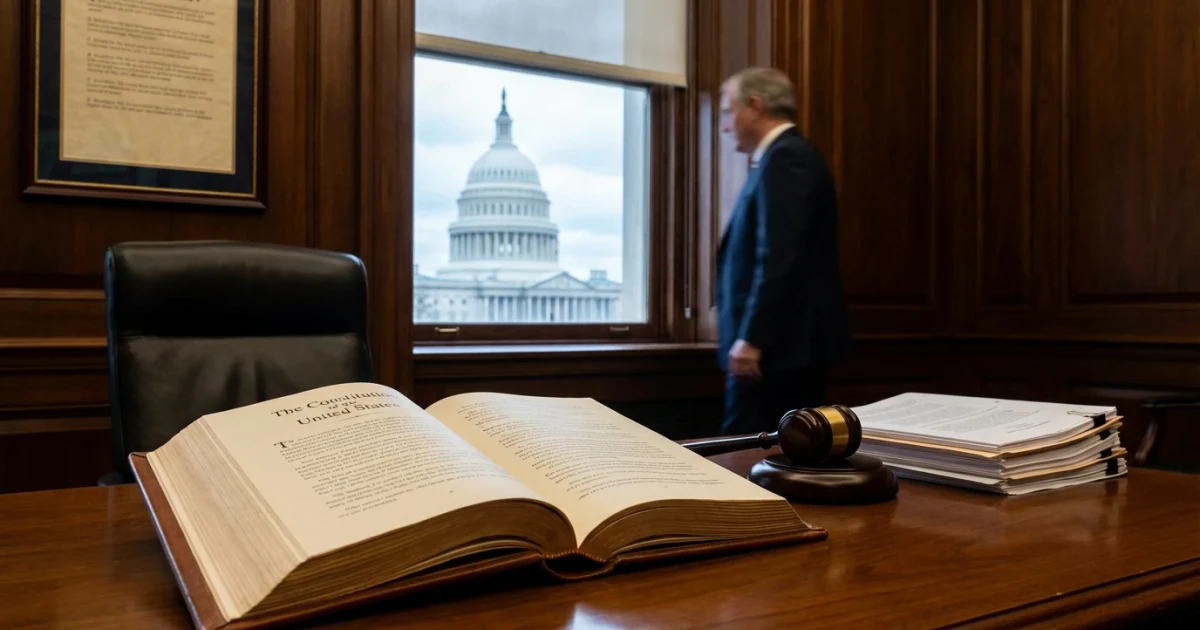
Questions about presidential fitness for office have long been a concern in American politics. The U.S. Constitution establishes specific mechanisms for handling situations where a president is unable to fulfill their duties, whether due to physical or mental incapacity, misconduct, or other factors. Recent discussions have renewed interest in what actually happens when a president is deemed unfit for office.
Constitutional Foundations for Presidential Removal
The primary guidelines for addressing presidential unfitness are found in the U.S. Constitution. Article II, Section 1, Clause 6 originally set forth the vice president as the immediate successor in the event of the president’s death, resignation, or inability to discharge powers and duties. However, it provided limited detail about procedures for incapacity.
To clarify and strengthen these provisions, the 25th Amendment was ratified in 1967. This amendment explicitly outlines procedures for both voluntary and involuntary transfer of power in cases of presidential disability or unfitness.
The 25th Amendment: Addressing Incapacity
- Section 3: Allows the president to voluntarily declare themselves unable to perform their duties, temporarily transferring power to the vice president as acting president.
- Section 4: Provides a mechanism for the vice president and a majority of the Cabinet to declare the president unfit. If the president contests this declaration, Congress decides the outcome, requiring a two-thirds vote in both chambers to keep the vice president as acting president.
This process is designed for circumstances such as medical emergencies, severe injury, or significant mental incapacity. The amendment has been invoked in limited situations, often for planned medical procedures, but never for extended incapacity or outright unfitness.
For a full legal explanation and case history, readers can consult the Constitution Annotated: 25th Amendment analysis.
Impeachment: Addressing Misconduct or Abuse of Power
Separate from incapacity, the Constitution provides for the removal of a president through impeachment for "treason, bribery, or other high crimes and misdemeanors." The process, detailed in Article II, Section 4, involves:
- A majority vote in the House of Representatives to impeach
- A trial in the Senate, with a two-thirds majority required for conviction and removal
Impeachment has been initiated against several presidents, resulting in removal only in rare cases. The House’s official impeachment list and the Senate’s impeachment proceedings records offer comprehensive historical data.
Comparing Mechanisms: Incapacity vs. Misconduct
The 25th Amendment addresses situations where a president is unable to serve, often due to health or cognitive issues, while impeachment is designed to address willful misconduct. Both ensure continuity of government but require high political consensus—especially Section 4 of the 25th Amendment, which demands agreement among top executive officials and, potentially, Congress.
In practice, the threshold for declaring a president unfit is significant, reflecting the nation’s commitment to stability and checks and balances. As noted in legal analyses such as the Congressional Research Service overview, these mechanisms are rarely used and intended for extraordinary circumstances.
Legal and Political Implications
While the Constitution’s provisions are clear, applying them can be politically charged. The 25th Amendment’s Section 4 has never been fully tested in a disputed context, and impeachment remains a lengthy and contentious process. Constitutional scholars emphasize that both mechanisms require not only legal justification but also broad political will.
Further Reading and Resources
- Full text of the U.S. Constitution
- Constitution Annotated: 25th Amendment
- Congressional Research Service: Presidential Removal Mechanisms
In conclusion, the U.S. Constitution provides robust, though rarely used, tools for addressing presidential unfitness—balancing the need for decisive action with protections against political misuse. As debates continue, these constitutional safeguards remain central to American democracy’s resilience.