Business
What to know before asking for credit card payment relief

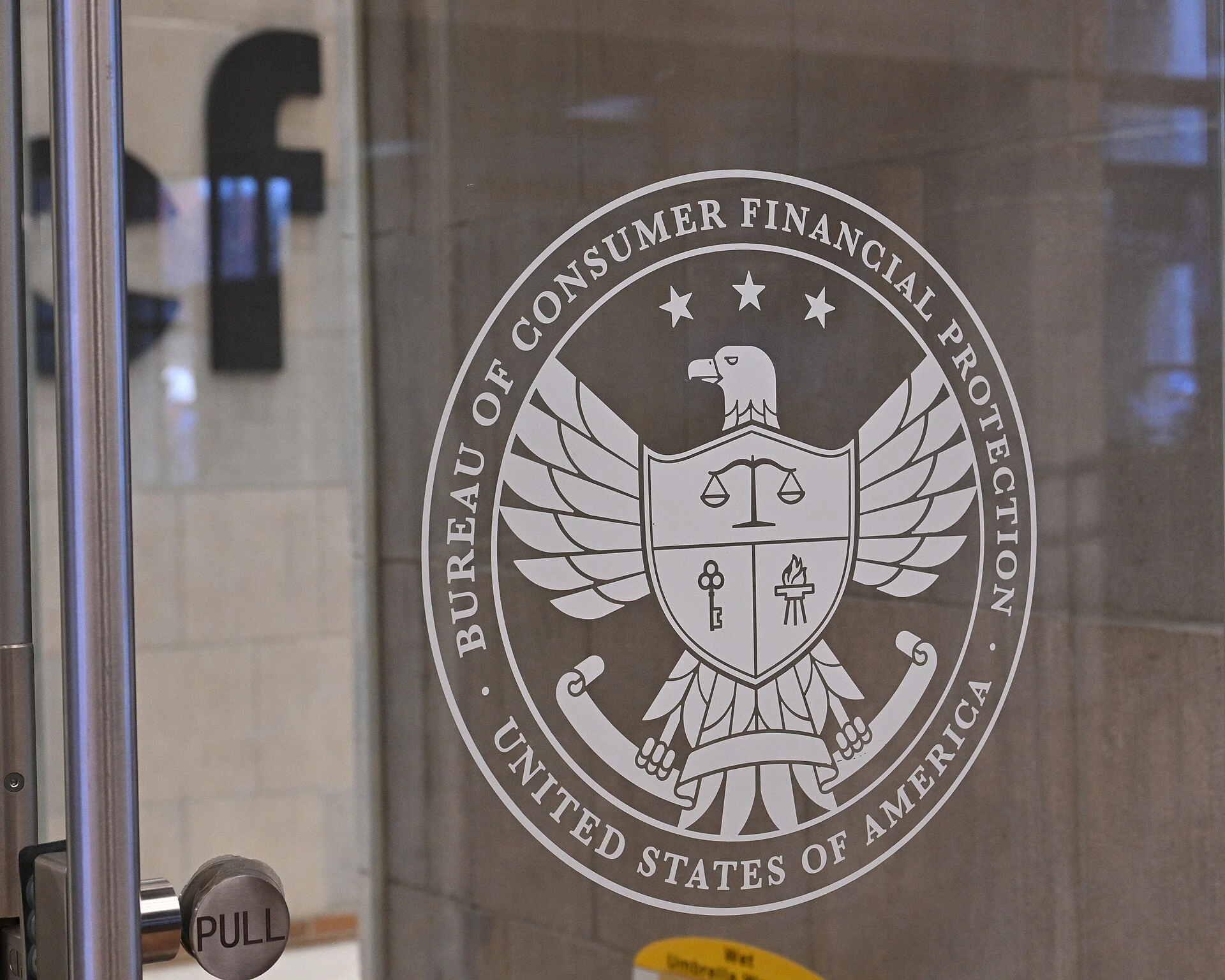
Call your credit card issuer before you miss the minimum payment if your credit card bill is starting to outrun your paycheck. The Consumer Financial Protection Bureau says you do not need to be behind on payments to ask for help, and waiting can lead to higher interest rates, higher minimums, late fees, loss of charging privileges, and damage to your credit score.
Act before the account slips
You do not need to be behind on payments to ask for help. That timing matters because hardship help is designed to prevent a missed payment from turning into a larger credit problem, not to clean up a delinquent account after the damage is done. In practice, that means the first conversation should happen when the budget starts to break, not after the due date passes.
A missed payment can push up borrowing costs, raise the amount due each month, and cut off the ability to make new charges on the card. For a household already under strain, those changes can make an expensive account much harder to manage.
What relief can actually look like
Hardship programs are not one standard product. A May 20, 2025 Bankrate explainer listed lowered interest rates, reduced or paused payments, waived fees, or other temporary accommodations depending on the issuer.
• A lower interest rate can slow the growth of the balance, which matters most when the debt is already large.
• Reduced or paused payments can free up cash for a short stretch, but they may also extend the payoff timeline.
• Waived fees can stop late charges from piling on, even if the underlying debt remains.
• Temporary accommodations can give breathing room without permanently changing the account, which is useful only if you know how long the relief lasts and what happens next.
The fine print is where the real tradeoffs show up. A plan that lowers interest may still leave you paying for months or years, while a plan that pauses payments may simply delay the strain. Relief can help, but it is not the same thing as debt forgiveness.
Who typically qualifies
Qualification usually depends on a real financial setback. Issuers often look for hardship such as job loss, illness, divorce, or another emergency. That does not mean every lender uses the same standards, and it does not mean a hardship request is guaranteed to be approved.
Terms vary by lender, which is why one issuer may offer a lower rate while another may only pause payments or waive a fee. Nonprofit credit counseling groups such as Money Management International and InCharge Debt Solutions frame hardship plans as arrangements that can lower interest rates or create more manageable repayment terms, but those plans are still based on the creditor’s rules. The common thread is temporary relief, not a permanent rewrite of the debt.
What to say when you call
The conversation goes more smoothly if you are specific about the problem and the kind of help you want. Start with the fact that matters most: tell the representative you believe you may not be able to make the minimum payment. Then ask whether the issuer has a hardship program or temporary payment plan available for your account.
Useful questions include:
• “I’m worried I may not be able to make the minimum payment. What hardship options do you have?”
• “Would this lower my interest rate, reduce my payment, or pause payments?”
• “Would any fees be waived?”
• “Would my charging privileges be limited while the plan is in place?”
• “How long does the relief last, and what happens when it ends?”
Those questions force the issuer to spell out the tradeoffs before you agree. If the plan merely shifts the balance without improving cash flow, you may need a different option. If it lowers the rate but freezes the card, you need to know that before you rely on it for everyday spending.
Where issuers are already pointing customers
Some major card companies already maintain dedicated help pages. Wells Fargo has a credit card payment help center, Bank of America has a credit card assistance page and a separate credit counseling page, and Discover has a financial hardship program page.
Help is often issuer-specific. You may not get a broad offer mailed to you or displayed automatically on the account; sometimes you have to ask directly and be ready to describe the setback in plain terms. If the issuer’s option does not fit, nonprofit credit counseling organizations such as Money Management International and InCharge Debt Solutions can help frame the debt in terms of repayment terms and interest costs, not just the monthly bill.