Politics
What would Andy Burnham do to stamp duty and council tax?
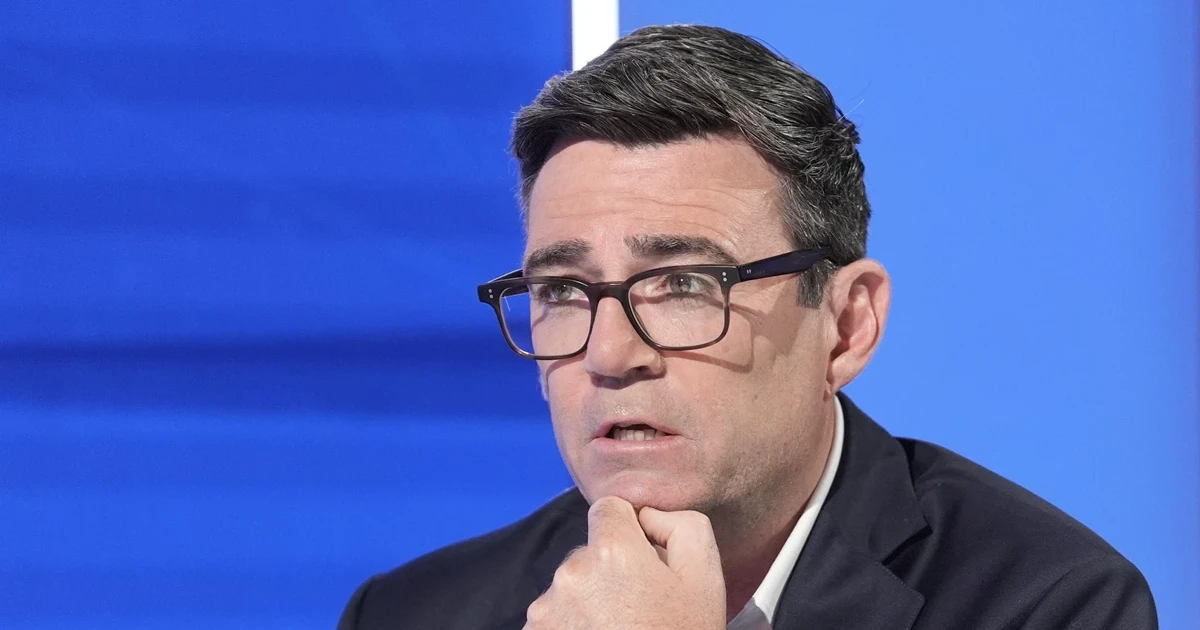
England’s council tax still rests on 1 April 1991 valuations. Andy Burnham’s property-tax pitch is not just about cutting the cost of moving house. It points toward shifting Britain away from one-off transaction taxes and toward recurring charges on land and property.
What Burnham is signalling
The broad direction is clear enough to unsettle both homeowners and the Treasury: Burnham is signalling a property-tax overhaul that could go beyond a simple stamp duty cut, including the possibility of a levy tied to land and property values in London and the South East. He believes land is under-taxed and that council tax could be scrapped in favour of a fairer system, while HomeOwners Alliance warns that any change would ripple through homeowners, buyers, house prices and mortgages if he reaches No 10.
A stamp duty cut is popular with buyers and movers because it lowers the transaction cost of changing homes, but a broader property tax replacement would move the bill onto ownership rather than purchase.
Stamp duty: the easier lever
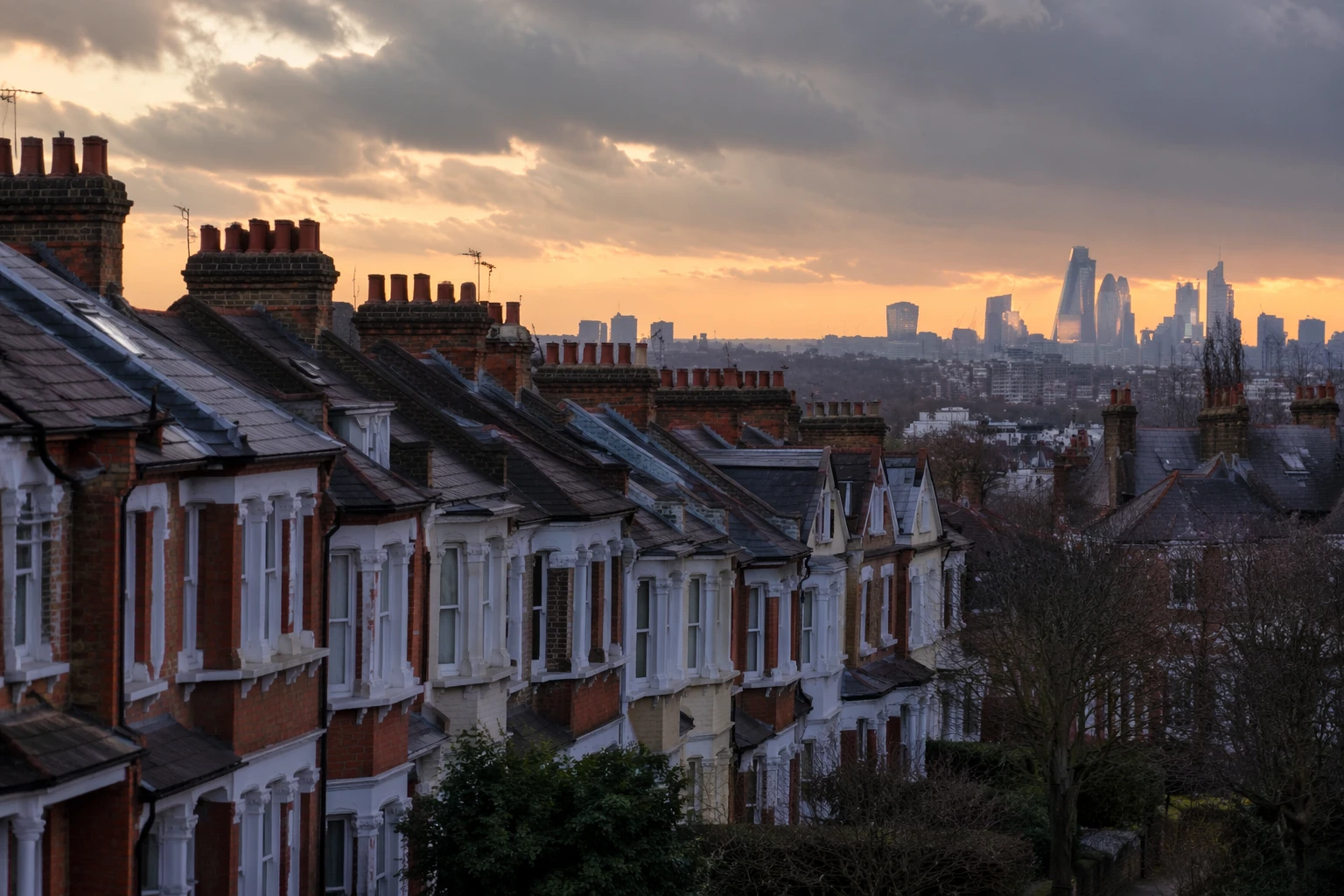
Stamp duty is the cleaner political target because it is visible, lumpy and tied to the moment a family moves. HMRC updated its annual stamp tax statistics on 11 March 2026, and the Office for National Statistics continues to update the HMRC stamp duty receipts series through 2026, underlining that this remains a live revenue stream rather than a fading relic.
The government said receipts from stamp duty in 2024-25 reached £13.9bn, helped by a rush to complete before the April 2025 threshold changes, and official statistics show total net SDLT receipts rose 20% in 2024-25 compared with the year before.
The Institute for Fiscal Studies has argued that updating property taxes could raise significant funds more fairly and avoid the distortions created when governments lean instead on income or capital taxes. In practice, that means a Burnham-style stamp duty cut would appeal to buyers and sellers, but the replacement charge would almost certainly be recurring and would hit ownership rather than the act of purchase.
Council tax: the harder overhaul
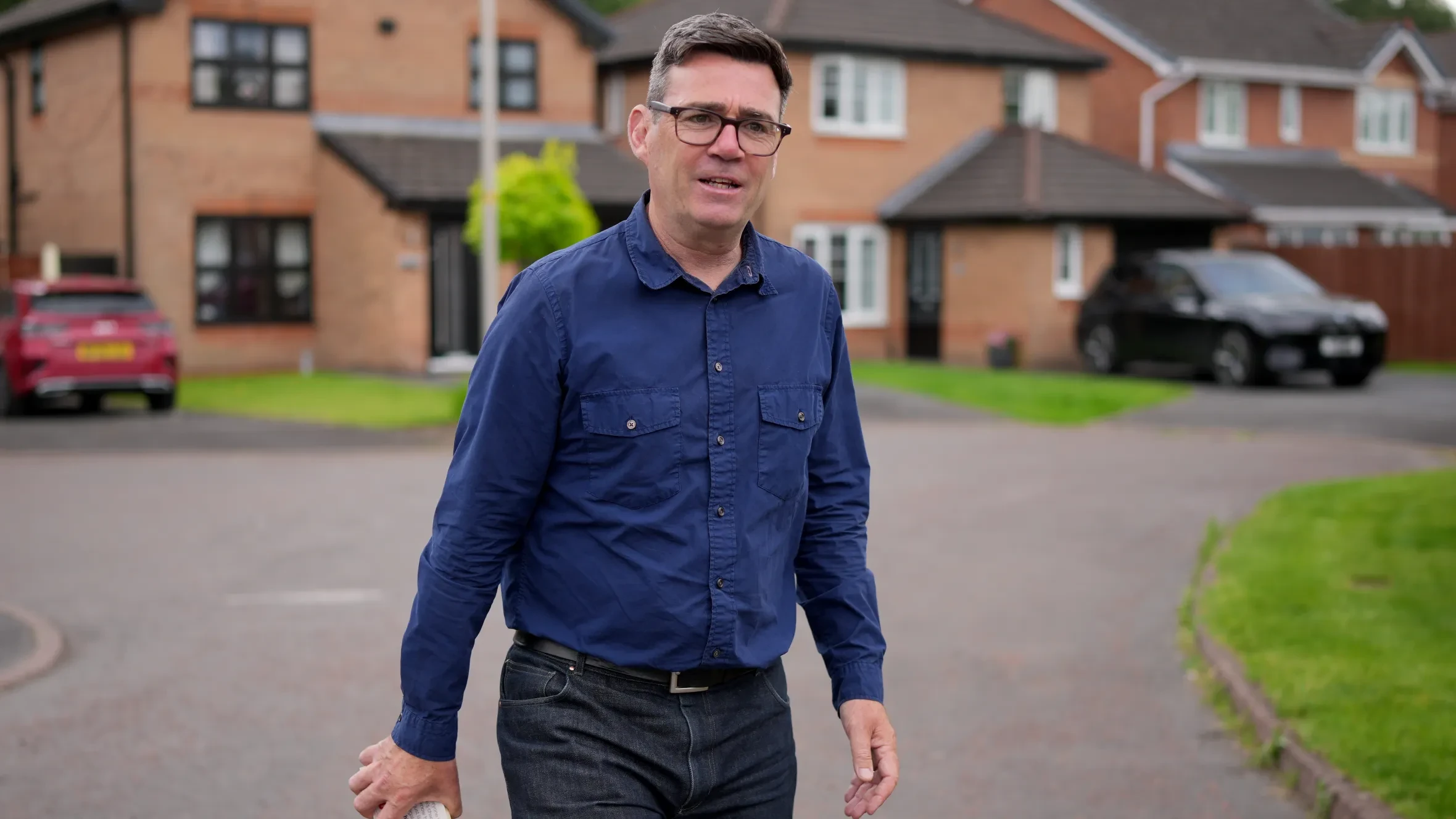
Council tax is where the real institutional fight sits. The tax was introduced in 1993, and the system remains structurally regressive because a Band H home pays only three times a Band A bill even though Band H properties were worth at least eight times as much even in 1991. The longer those valuations stay frozen, the more arbitrary the geography becomes.
The government’s first move has been administrative rather than a full revaluation. Its consultation on modernising council tax ran from 9:15am on 20 June 2025 to 11:59pm on 12 September 2025 and explored 12 monthly billing by default, fairer treatment for vulnerable households and tougher enforcement rules. The Local Government Association backed the general direction, saying it wanted an approach that balances revenue collection with support for households struggling to pay.
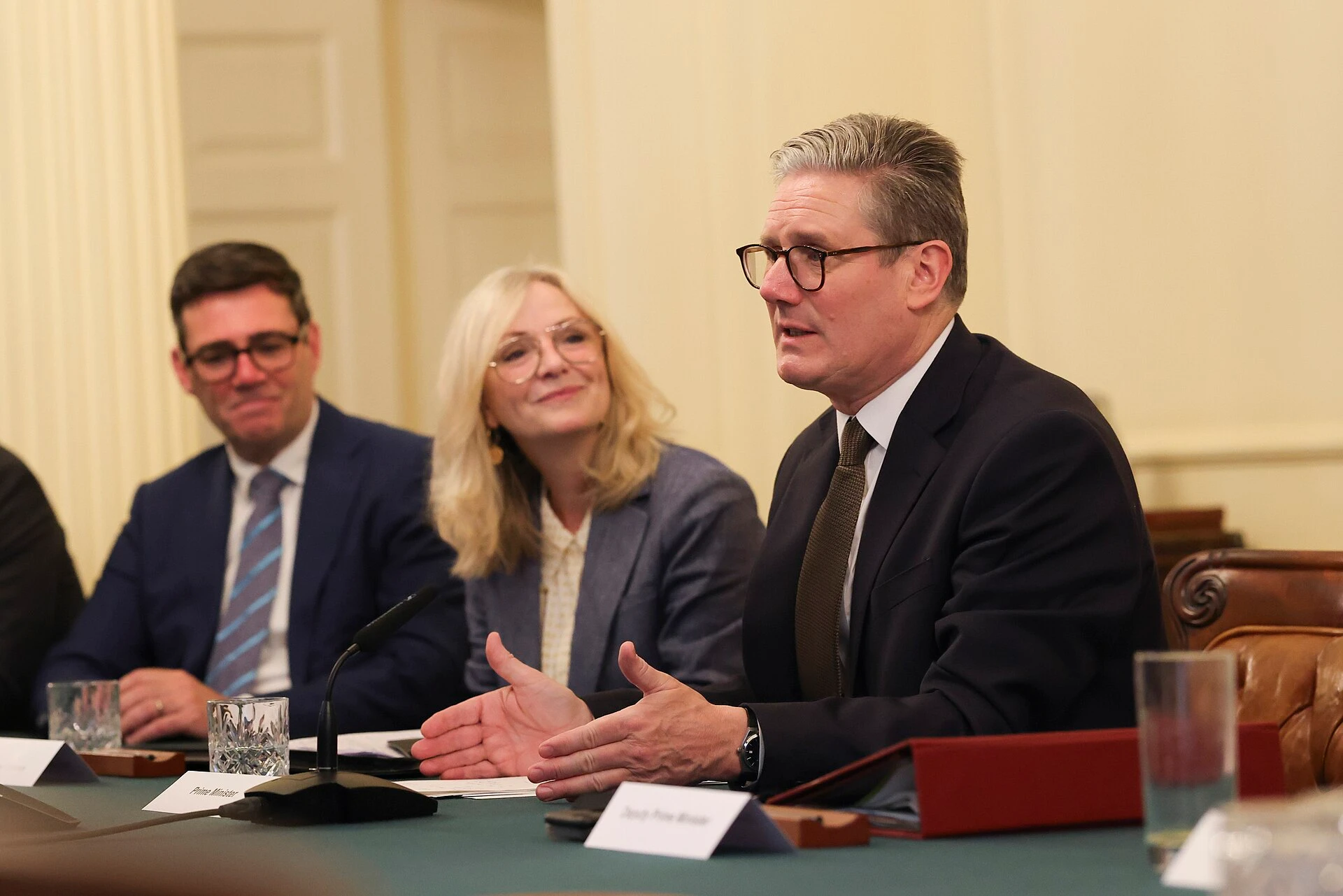
Even before any radical redesign, ministers are trying to make council tax easier to pay and collect, not rip up the bands and start again. The current 2026-27 settlement keeps a core referendum threshold of 3% plus a 2% adult social care precept for many councils, and the average Band D bill set by English authorities has risen to £2,392, up 4.9%, with 274 of 384 authorities using the maximum flexibility available to them.
Who wins and who loses
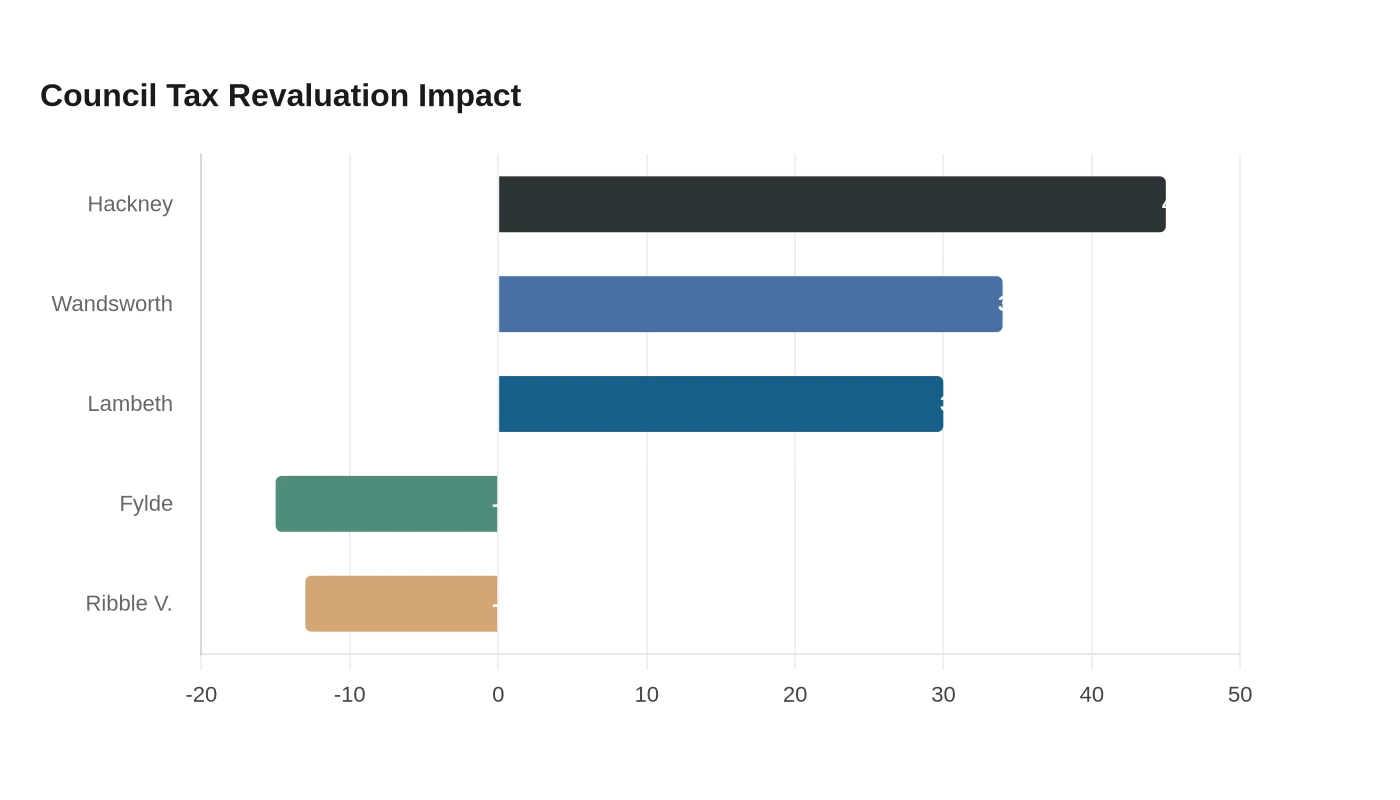
The clearest losers in a revaluation are owners of expensive property in high-growth areas, especially London and its environs. In the IFS-linked distributional analysis, if properties were revalued and central funding fully adjusted, average bills would fall in the Midlands and North and much of the South West, while rising in London and nearby areas; the biggest increases would be in inner London, with Hackney up 45%, Wandsworth 34% and Lambeth 30%. The biggest reductions would be in places such as Fylde and Wyre, down 15%, Ribble Valley down 13%, and, under a more proportional system, averages in deprived areas such as Hull, Stoke-on-Trent and Blackpool would fall even more sharply.
A property-tax shift can be sold as levelling up because it would tend to move some of the burden away from lower-value homes in the Midlands and North and onto higher-value assets in London and the South East. But the same redistribution means that any plan to replace council tax entirely would create visible winners and losers by region, by tenure and by price band, which is why the IFS says radical council tax reform could produce large redistribution effects.
For councils, the risk is different. Council tax is the main source of locally raised income for many authorities, so any reform has to preserve a dependable revenue stream for services while avoiding a cliff-edge for households already struggling to pay.
The political test
The current system is outdated. The question is whether a government led by Burnham could legislate for a tax base tied to current values, protect councils from revenue shocks and persuade MPs from high-value southern seats to accept higher bills for their constituents. Backing from Red Wall MPs helps explain why the idea has political traction, but the valuation system, the referendum caps and the dependence of local services on council tax all mean the hardest part is still the transition.
Sources
- [1]bbc.co.uk
- [2]gov.uk
- [3]local.gov.uk
- [4]ons.gov.uk
- [5]inews.co.uk
- [6]ifs.org.uk
- [7]mortgagesolutions.co.uk