Health
What You Should Know About Rashes and Infections From the Beach
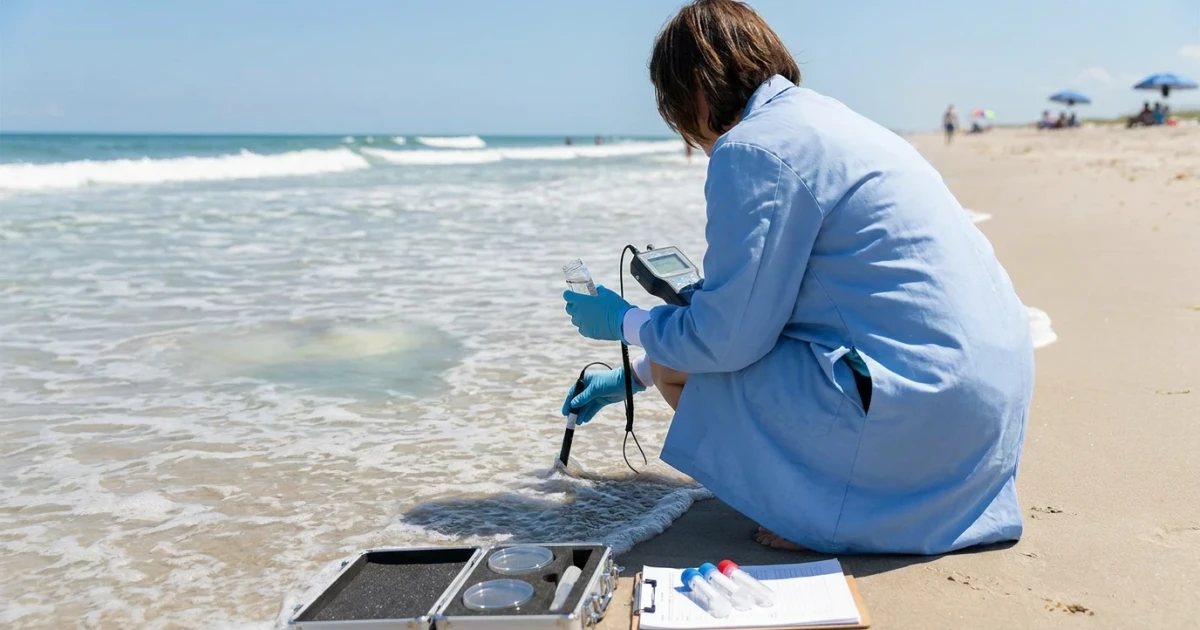
As summer approaches and beach visits surge, health experts are warning of several rashes and infections that can be contracted from sand and water. While most trips to the beach are safe, understanding these potential health risks can help visitors stay informed and take appropriate precautions.
Common Rashes and Infections at the Beach
According to The Washington Post and analysis from public health agencies, there are at least six notable conditions that beachgoers should be aware of:
- Swimmer’s Itch: Also known as cercarial dermatitis, this itchy rash is caused by microscopic parasites found in both freshwater and saltwater. The CDC explains that the parasites burrow into the skin, resulting in red bumps or blisters. Swimmer’s itch is uncomfortable but typically resolves without medical treatment.
- Vibrio Infections: Several Vibrio bacteria species can cause illness after exposure to brackish or salt water, especially through open wounds. Among these, Vibrio vulnificus is of particular concern due to its severity. According to the CDC’s vibrio tracking data, cases have been reported up and down the Atlantic and Gulf coasts, with the bacteria spreading farther north as ocean waters warm.
- Staph and MRSA: Community-associated MRSA (methicillin-resistant Staphylococcus aureus) can be acquired from contaminated sand or water, especially if a person has cuts or scrapes. The CDC notes that such infections can cause boils, abscesses, or more serious complications if untreated.
- Sea Bather’s Eruption: This itchy, pimply rash is triggered by contact with jellyfish or sea anemone larvae, which can become trapped under swimwear. It’s most common in tropical Atlantic waters.
- Hot Tub Rash (Pseudomonas): While often associated with pools and hot tubs, Pseudomonas aeruginosa can also thrive in warm, poorly maintained beach water, leading to red, itchy spots and sometimes blisters.
- Brain-Eating Amoeba: Naegleria fowleri is a rare but deadly organism that infects people when contaminated water enters the nose, usually in warm freshwater lakes but occasionally at beaches. The CDC’s official statistics show that cases remain extremely rare, but nearly always fatal.
How Common Are These Infections?
While the prospect of these illnesses can sound alarming, the overall risk remains low for most healthy beachgoers. The CDC’s annual Vibrio surveillance records about 100-200 cases of Vibrio vulnificus per year in the U.S., with a higher incidence in Gulf Coast states. Official records show that deaths, while rare, do occur—especially among people with compromised immune systems or chronic liver disease.
Recreational water illness (RWI) data show that most beach-related infections are mild and self-limiting, such as swimmer’s itch or mild skin rashes. However, severe infections like MRSA or Vibrio, while uncommon, can progress quickly and require prompt medical care.
Environmental Factors and Trends
Experts note that certain environmental factors can increase the risk of beach-related infections:
- Warmer water temperatures are linked to higher levels of Vibrio bacteria and other pathogens.
- Heavy rainfall can wash contaminants from land into the ocean, temporarily raising bacteria counts.
- Beach advisories and closures are often issued when water quality data show elevated levels of harmful microorganisms. The EPA’s beach health data provides up-to-date information about advisories and closures around the country.
Prevention and Safety Tips
Health agencies recommend several commonsense steps to reduce the risk of infection:
- Avoid swimming with open wounds or fresh tattoos.
- Shower before and after swimming to remove contaminants.
- Check for posted advisories or closures before entering the water.
- Rinse swimwear thoroughly to remove trapped larvae or irritants.
- Seek medical attention promptly if a wound becomes red, swollen, or painful after beach exposure, or if you develop a fever or rapidly spreading rash.
Looking Ahead
As climate change leads to warmer coastal waters, experts anticipate that some waterborne infections—especially those caused by Vibrio—may become more common and expand into new regions. Ongoing research and surveillance are critical to tracking these trends and informing public health guidance. Beachgoers can best protect themselves by staying informed about water quality and following recommended safety practices.