Technology
WhatsApp adds usernames to let users chat without phone numbers
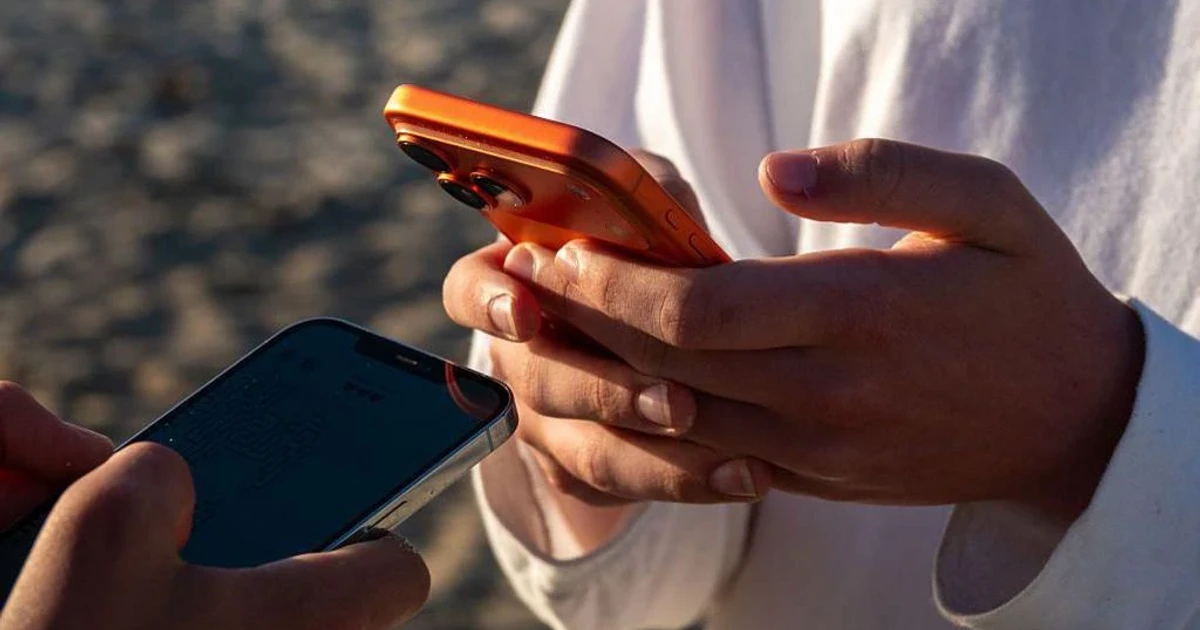
WhatsApp has started rolling out usernames globally, letting users reserve unique handles before a wider launch later this year and making first contact less dependent on a phone number. The new system is meant to let people chat, and in some cases call, without revealing the number tied to their account.
The company is drawing a clear line between privacy and registration. A phone number will still be required to create a WhatsApp account, so usernames are an added layer rather than a replacement. WhatsApp says the handles will not be publicly searchable or suggested, which means another user will need the exact username to start a new conversation. With more than 3 billion users worldwide, that design choice matters: it narrows discovery while raising the bar for impersonation, typosquatting and abuse prevention at scale.

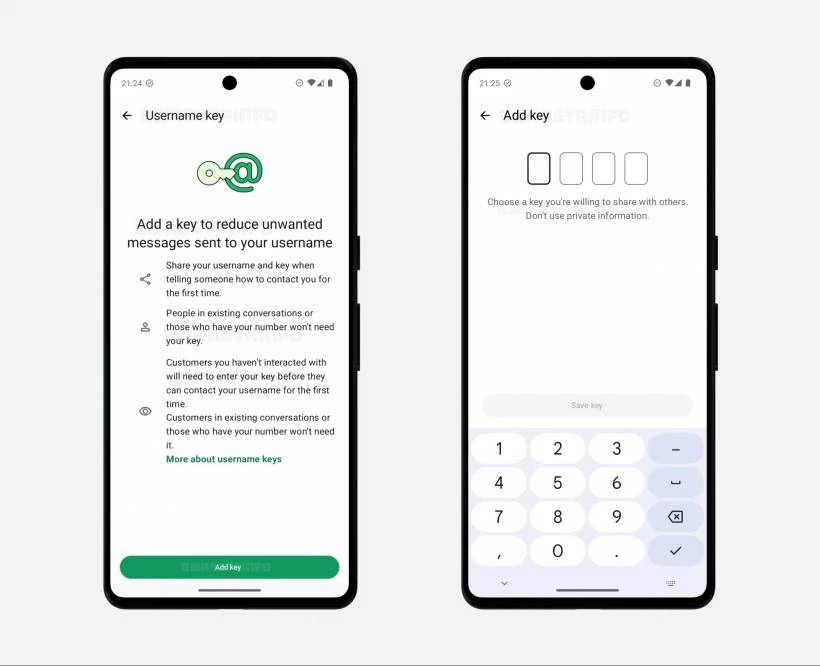
WhatsApp is also adding an optional four-digit username key for extra protection against unsolicited messages. That looks like a direct response to one of the biggest risks in any handle-based system, where a simple name can make it easier for strangers, spammers and scammers to probe for access. By keeping end-to-end encryption in place while limiting how usernames can be found, WhatsApp is trying to reduce exposure of phone numbers without turning the app into an open directory.
The shift also has major business implications. Meta has introduced Business-Scoped User IDs, or BSUIDs, to support username-based messaging for companies, and Microsoft says the identifier is meant to uniquely identify a WhatsApp user within a specific business portfolio. Twilio says the change begins in June 2026 for businesses using the WhatsApp Business Platform, signaling that customer-service and automation systems will have to adapt quickly. That matters in a messaging business where Meta says there are more than one billion active threads with businesses across WhatsApp, Messenger and Instagram every day.

The move puts WhatsApp closer to the username model long used across Telegram and, increasingly, Signal, but with a tighter discovery system. WhatsApp is not making itself easy to search by handle, which may help keep casual lookups and scraping in check. It also leaves open the harder questions that come with a platform of this size: how to stop lookalike names, how to prevent username hoarding, and how to keep scams from following users into a system built to hide phone numbers rather than expose them.
Sources
- [1]bbc.co.uk
- [2]informnny.com
- [3]techcrunch.com
- [4]gadgets360.com
- [5]about.fb.com
- [6]learn.microsoft.com
- [7]twilio.com