World
Wheelchair users face broken lifts and unsafe ramps in court buildings

Wheelchair users are still being blocked from court buildings by broken lifts, unsafe ramps and toilets that cannot be used safely or independently. The result is not just inconvenience. It is exclusion from hearings, from work and from equal participation in the justice system.
The Magistrates’ Association said accessibility problems were serious enough to help drive resignations among disabled magistrates. Its members with disabilities assessed the public and magistrate areas of 57 court buildings in England and Wales, a sample described as just over a third of all magistrates’ courts, and found barriers that affected movement through the buildings and access to courtrooms.
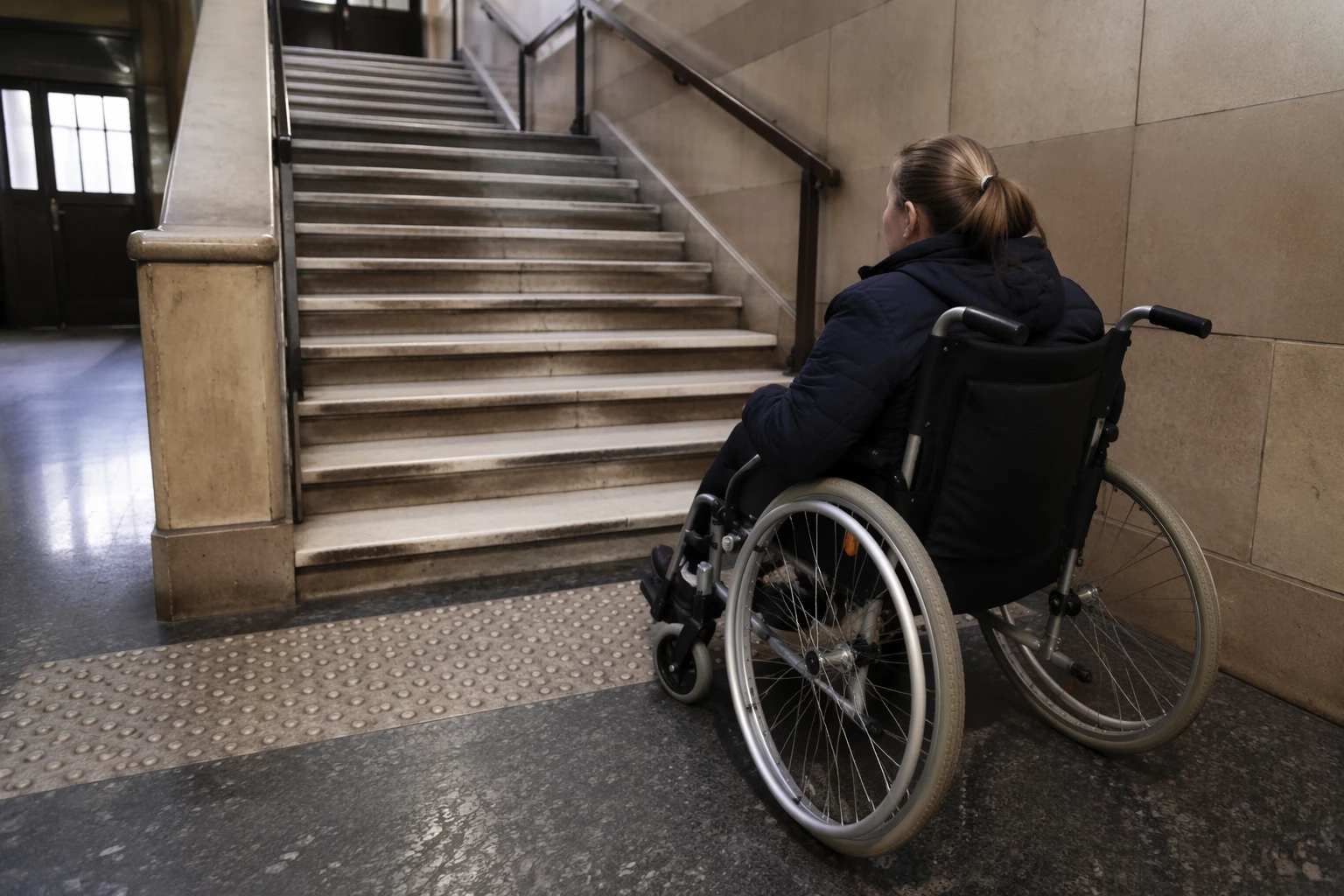
HM Courts & Tribunals Service says it has a legal duty to help and support court and tribunal users where it can, including reasonable adjustments. It has also said it wants all users to have equal access to its services. In 2023, HMCTS relaunched Disability Contact Officers at the Royal Courts of Justice as part of efforts to improve support for court users with accessibility needs, while its public court pages now tell disabled users to contact the court in advance for assistance or reasonable adjustments.
The practical failures have been visible for years. In 2017, a disabled solicitor had to rearrange four cases after a lift broke down at Margate Magistrates' Court. Two years later, a disabled barrister could not attend a hearing at the Royal Courts of Justice because a lift was out of order. On the same case, a solicitor who was paralysed down one side and used a wheelchair was forced to climb stairs with help.
The pressure has only sharpened. In February 2024, Konstantina Nouka launched a court accessibility survey to help create an accessibility map for legal professionals and court users, reflecting the lack of reliable information about which buildings can actually be used by disabled people. That gap matters in a system where jurors, lawyers, magistrates and social workers all need to move through the same buildings, often to strict time limits.
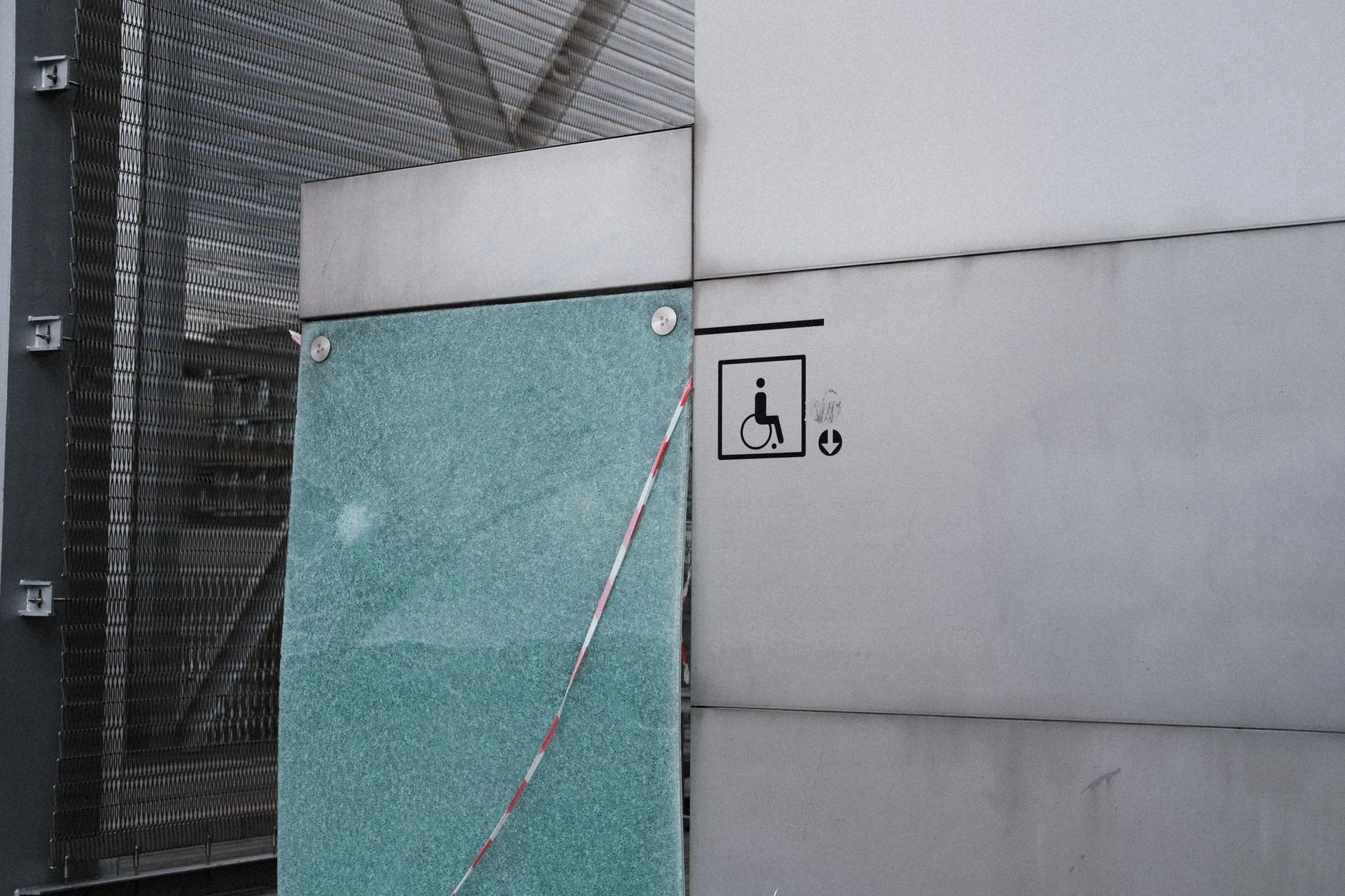
In May 2026, a barrister in his 70s was trapped in a lift at Leeds Crown Court for 1 hour and 52 minutes, a stark reminder that ageing court infrastructure can still interrupt daily legal work and put people at risk. For a justice system built on equal access, inaccessible buildings are not a side issue. They are a failure that reaches into the courtroom itself.