Lifestyle
Where Italians Choose to Vacation in Summer
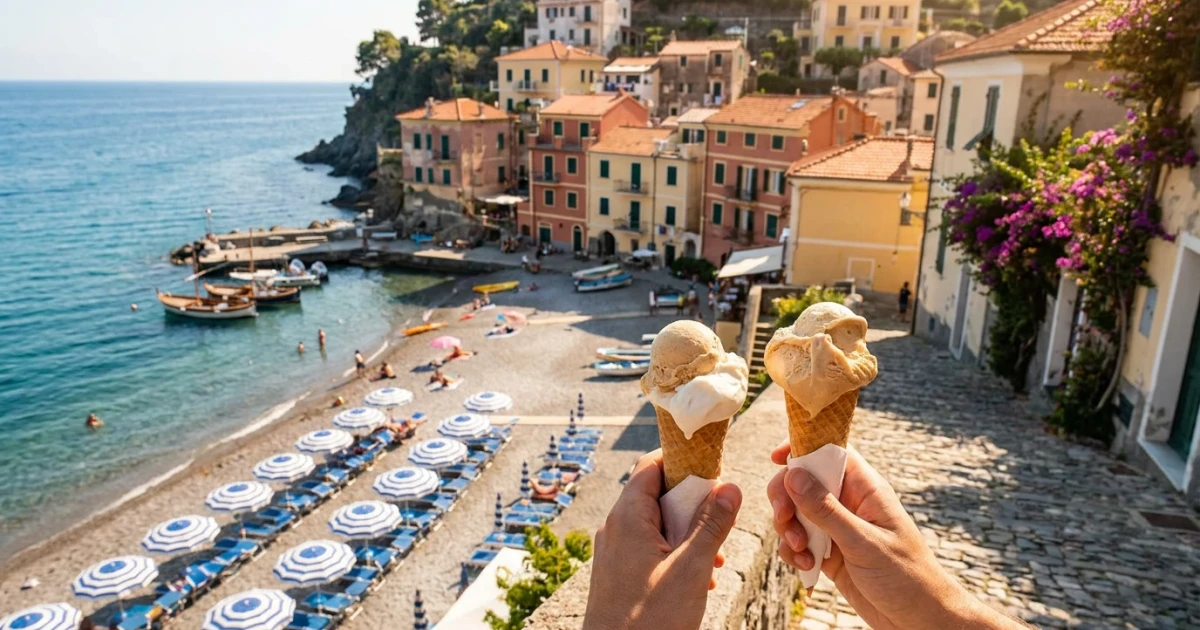
As Italy welcomes millions of international tourists each year, the country’s residents have their own favorite summer getaways that often fly under the radar for foreign visitors. While cities like Rome, Florence, and Venice are perennial draws for international crowds, Italians tend to favor destinations that combine natural beauty, cultural heritage, and local flavor—ideal for a true recharge away from bustling tourist hubs.
Popular Coastal Retreats
- Ischia: This volcanic island in the Bay of Naples is favored by Italians for its thermal spas, lush gardens, and relaxed atmosphere, distinguishing it from the busier Capri nearby.
- Salento, Puglia: The southern tip of Puglia attracts with crystal-clear waters and a unique blend of Baroque towns, traditional masserie (farmhouses), and lively festivals. Italian visitors flock here for both the Ionian and Adriatic coasts.
- Elba Island, Tuscany: Renowned for its beaches and history as Napoleon’s place of exile, Elba offers hiking, excellent seafood, and a slower pace that appeals to Italian families.
- Riviera del Conero, Marche: Less international than the Ligurian Riviera, this stretch of Adriatic coastline is prized for dramatic cliffs, secluded coves, and picturesque seaside towns like Sirolo and Numana.
Mountain Escapes and Lakeside Serenity
- Dolomites: The UNESCO-listed peaks are a year-round draw, but in summer, Italians head to towns like Ortisei and Madonna di Campiglio for hiking, cycling, and alpine cuisine. The region’s World Heritage status underscores its natural significance.
- Lago di Bolsena, Lazio: Italians seeking a quiet lakeside retreat often choose Bolsena over the more famous Como or Garda, enjoying medieval villages, water sports, and fresh lake fish.
- Lago d’Iseo, Lombardy: This smaller lake is known for its tranquil atmosphere and the floating island of Monte Isola. It’s a favorite among Northern Italians for relaxed weekends and local food specialties.
Cultural and Culinary Discoveries
- Val d’Orcia, Tuscany: Famous for rolling hills, cypress trees, and medieval towns like Pienza and Montalcino, this area is a top destination for domestic tourists seeking wine tasting and countryside relaxation.
- Umbria: Known as the "green heart of Italy," Umbria offers a blend of art towns (Perugia, Spoleto), food festivals, and peaceful landscapes without the crowds of neighboring Tuscany.
- Tropea, Calabria: Southern Italians flock to Tropea for its dramatic cliffs, turquoise waters, and renowned red onions, making it a summer staple for beachgoers and food lovers alike.
Why Italians Choose These Destinations
These locations stand out for their authenticity, local hospitality, and often more affordable prices compared to heavily touristed hotspots. According to Federturismo’s research, domestic tourists in Italy prioritize destinations that offer a mix of natural beauty, regional cuisine, and cultural experiences. Many opt for less-crowded beaches, mountain escapes, or inland towns with strong local identities and seasonal festivals.
Official statistics from ISTAT and the UNWTO show that regions like Tuscany, Puglia, and Trentino-Alto Adige consistently rank among the top choices for Italian residents during the peak summer months, with a significant uptick in domestic travel to coastal and mountain locations.
Insider Tips for Experiencing Italy Like a Local
- Visit in late June or early September to avoid the peak August crowds.
- Look for agriturismi (farm stays) to immerse in local traditions and cuisine.
- Seek out regional festivals (sagre) celebrating seasonal foods, music, and folklore.
- Travel by train or car to reach off-the-beaten-path villages and natural parks.
Conclusion
For travelers seeking an authentic Italian summer, following in the footsteps of locals can lead to rewarding discoveries—whether on the hidden beaches of Salento, the alpine trails of the Dolomites, or the tranquil lakes of central Italy. Exploring these beloved destinations offers a different perspective on Italian leisure, rooted in family traditions, regional pride, and the joy of slow travel.