Lifestyle
Where Nature Is Thriving: Tracking Global Progress
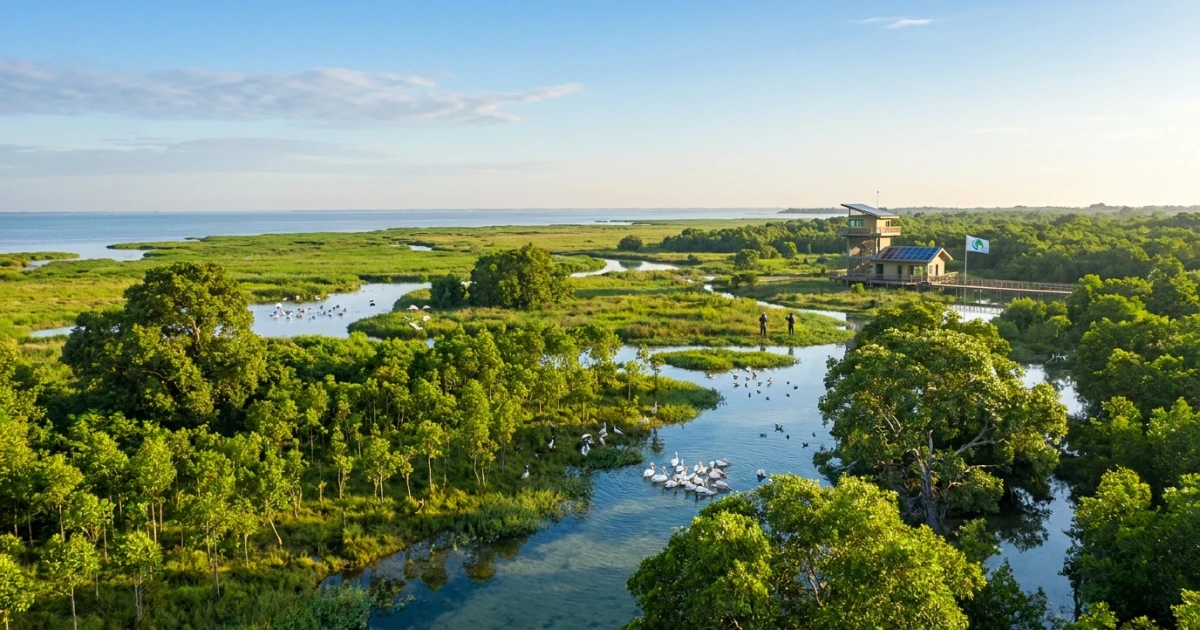
As concerns about biodiversity loss intensify, a growing body of evidence suggests that nature is not only under threat but also capable of remarkable recovery in certain regions. Recent global efforts, combined with local community action and ambitious restoration projects, have led to pockets of progress where wildlife populations are rebounding, forests are regrowing, and ecosystems are regaining balance. This article examines where nature is "winning," what strategies are making a difference, and how readers can track these hopeful trends.
Signs of Recovery in Biodiversity Hotspots
Despite ongoing challenges, several regions around the world have witnessed measurable improvements in wildlife populations and ecosystem health. According to the Living Planet Index, while the overall trend for global wildlife populations has been a decline over the past decades, some areas are bucking the trend. For example:
- Europe’s beaver populations have rebounded after reintroduction programs and legal protections.
- Tropical forest restoration in Costa Rica has led to the return of native bird and mammal species.
- Marine reserves in the Philippines and the Mediterranean are seeing the return of fish stocks and coral health due to strict protection and sustainable fishing practices.
These localized successes underscore the potential for recovery when conservation actions are well targeted and sustained.
Protected Areas Fueling Nature’s Comeback
One of the most effective tools for biodiversity recovery is the establishment and proper management of protected areas. The World Database on Protected Areas (WDPA) tracks more than 250,000 protected areas globally, covering nearly 17% of the Earth's land surface and 8% of the oceans. In many cases, these zones have halted deforestation, reduced poaching, and allowed habitats to recover:
- In Rwanda, mountain gorilla numbers have increased thanks to continuous protection and community involvement around Volcanoes National Park.
- Australia's Great Barrier Reef Marine Park has shown resilience and partial coral recovery after targeted interventions and fishing restrictions.
However, experts caution that not all protected areas are equally effective, and management quality varies widely.
Restoration Projects and Rewilding Efforts
Beyond protection, active restoration is crucial for reversing ecosystem decline. Platforms like Restor map thousands of restoration initiatives worldwide, from mangrove replanting in Southeast Asia to large-scale rewilding in Europe. Notable successes include:
- Former farmland in the Netherlands transformed into thriving wetlands, attracting rare birds and amphibians.
- Brazil’s Atlantic Forest restoration, which has reconnected forest fragments and provided new habitat for endangered species.
Such projects often involve local communities and indigenous knowledge, increasing their sustainability and effectiveness.
Policy Commitments and Global Targets
International agreements are shaping the future of conservation. The Kunming-Montreal Global Biodiversity Framework sets targets to protect at least 30% of land and sea areas by 2030 and to restore at least 20% of degraded ecosystems. Initiatives like the Nature Positive Initiative further encourage nations and organizations to track and accelerate progress toward a net positive impact on nature.
Early analysis from the IPBES Global Assessment Report indicates that these policy measures, when backed by funding and enforcement, can have a measurable positive effect. However, implementation remains uneven, and many countries are struggling to meet their commitments.
Where Readers Can Find Hope and Track Progress
For those eager to see where nature is winning, several resources offer interactive data and real-time updates:
- Living Planet Index – Tracks wildlife population trends globally and by region.
- World Database on Protected Areas – Maps and statistics on protected areas worldwide.
- Restor – Catalogues ecosystem restoration projects and their outcomes.
These platforms provide transparency and accountability, allowing the public to follow conservation progress and support successful models.
Conclusion: The Road Ahead for Nature’s Recovery
While global biodiversity faces daunting challenges, the evidence of recovery in specific regions offers hope and guidance. Success stories show that with sustained effort, smart policy, and community engagement, nature’s comeback is possible. The challenge now is to scale these models and ensure that progress isn’t isolated but becomes the norm across the globe.