Politics
Whistle-blowers allege Kennedy Center contract flaws and bathroom tile dispute
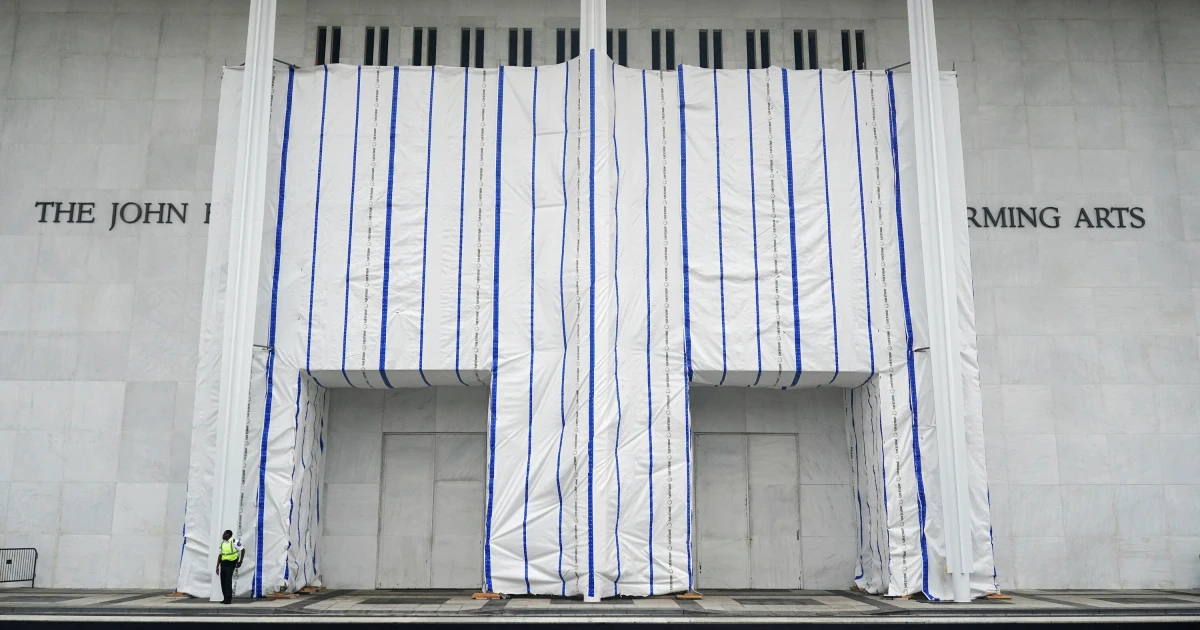
Documents submitted to Congress raised fresh questions about how contracts were awarded at the John F. Kennedy Center for the Performing Arts, including a White House order to tear up new bathroom tile because of its color. The allegations put a Washington institution already strained by renovation fights, governance battles and political intervention back under intense scrutiny.
The Kennedy Center has been at the center of broader turmoil under Trump-aligned leadership, with disputes over who controls the venue, what changes are made to the building and how those decisions are managed. On May 29, 2026, Donald Trump said he would transfer control of the Kennedy Center to Congress after a judge ordered his name removed from the building and blocked his plans to close it for renovations.
By June and July, the fight was still moving through court over Trump’s name on the facade and the center’s operations. That legal battle has overlapped with growing concerns on Capitol Hill about how the institution is governed and how its money is handled, especially as renovations continued to draw political attention.
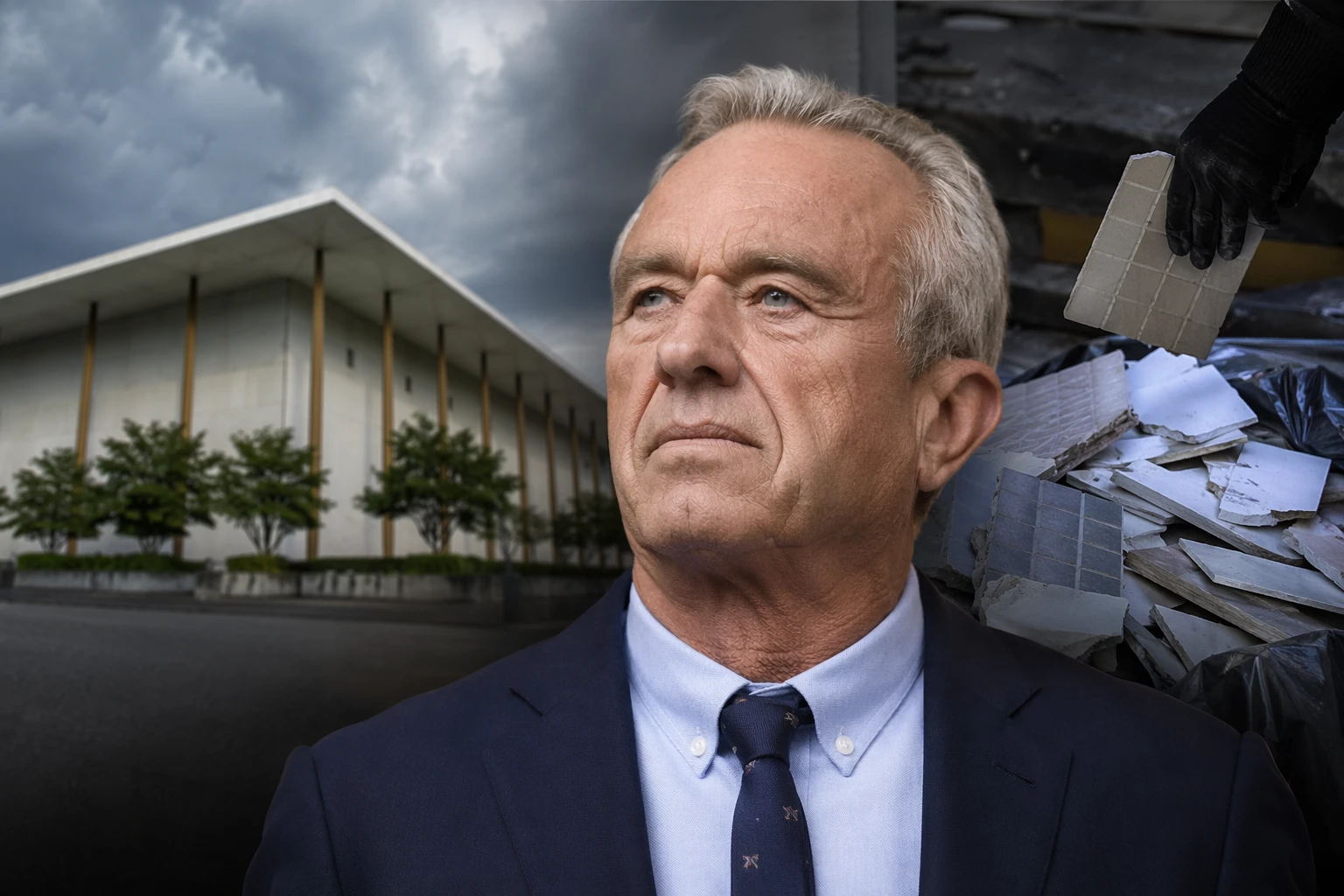
Senate Democrats had already been investigating allegations of cronyism, corruption and preferential treatment for Trump allies at the Kennedy Center. In that context, the new documents sharpened the focus on procurement, not just symbolism, by pointing to competitive bidding problems and a bathroom-tile dispute that now stands in for larger complaints about how decisions were made.
Sen. Sheldon Whitehouse said the center’s actions showed a “profound disregard” for fiduciary responsibility, financial controls and governance. That criticism goes to the heart of the case now building around the Kennedy Center: whether a federally linked cultural institution can preserve ordinary contracting standards when high-level political preferences are pressed into renovation work, procurement decisions and the public identity of the building itself.
Sources
- [1]nytimes.com
- [2]yahoo.com
- [3]epw.senate.gov
- [4]usatoday.com