Technology
White House AI Report Spurs Urgent Discussion in Legal Tech Sector
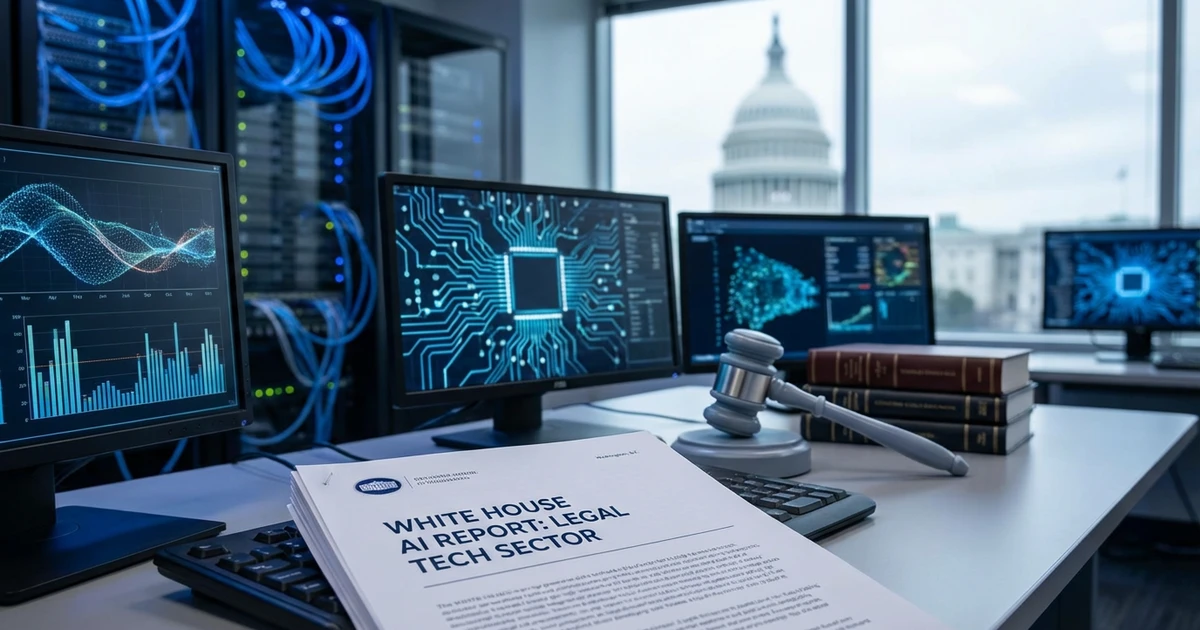
The legal technology sector faces a critical inflection point following the recent release of the White House’s AI report, which highlights both urgent challenges and profound opportunities for artificial intelligence in the practice of law. The report, which has quickly become a focal point of discussion across the industry, urges legal professionals and technology providers alike to reassess the trajectory of AI integration in legal services.
Key Findings and Implications for Legal Tech
The White House AI report, published in late January 2026, serves as a comprehensive analysis of the current state of AI adoption in legal settings. The document underscores several predominant themes:
- Responsible Use of AI: The report emphasizes the growing need for legal tech companies and law firms to implement AI responsibly, ensuring transparency, fairness, and compliance with regulatory standards.
- Potential for Increased Efficiency: AI is recognized as a powerful tool for streamlining routine legal processes—such as document review, legal research, and contract analysis—potentially reducing costs and improving client outcomes.
- Risks of Bias and Ethical Concerns: The report highlights risks related to algorithmic bias, data privacy, and the unintended consequences of automating legal decisions, calling for robust oversight and continuous evaluation.
Industry Response: A Call to Action
Reaction within the legal tech community has been swift. Many see the report as a clarion call to double down on ethical AI development and implementation. As noted by JD Supra, the White House’s findings have prompted renewed scrutiny of how AI systems are trained, tested, and deployed in legal environments. There is broad acknowledgment that unchecked AI could inadvertently reinforce systemic biases or create new ethical quandaries, particularly in high-stakes applications such as criminal justice, contract negotiation, and client confidentiality.
Opportunities for Innovation
Despite the warnings, the White House report also points to significant opportunities for innovation. Forward-thinking law firms and legal tech startups are encouraged to leverage AI to:
- Accelerate legal research by surfacing relevant precedents more efficiently
- Automate document review, freeing up attorneys for higher-level analysis
- Enhance access to justice by providing cost-effective legal support to underserved communities
These advances, however, are contingent on maintaining rigorous standards for data quality, system transparency, and user education.
Regulatory and Compliance Challenges
The report also calls attention to the patchwork of state and federal regulations currently governing AI in law. Legal tech providers face the dual challenge of navigating evolving compliance landscapes while maintaining innovation momentum. The White House urges collaboration between government, industry, and academia to craft clear guidelines and best practices that can keep pace with rapid technological change.
Looking Ahead
As the legal profession digests the White House’s recommendations, the consensus is clear: AI is here to stay, but its future impact depends on responsible stewardship. Industry leaders, policymakers, and technologists must work together to realize AI’s potential while mitigating risks. The report is both a wake-up call and an invitation to shape the next era of legal service delivery—one that is more efficient, equitable, and accountable.
Sources
- [1]JD Supra